News
All-Weather Energy: Solar Panels That Harvest Rain

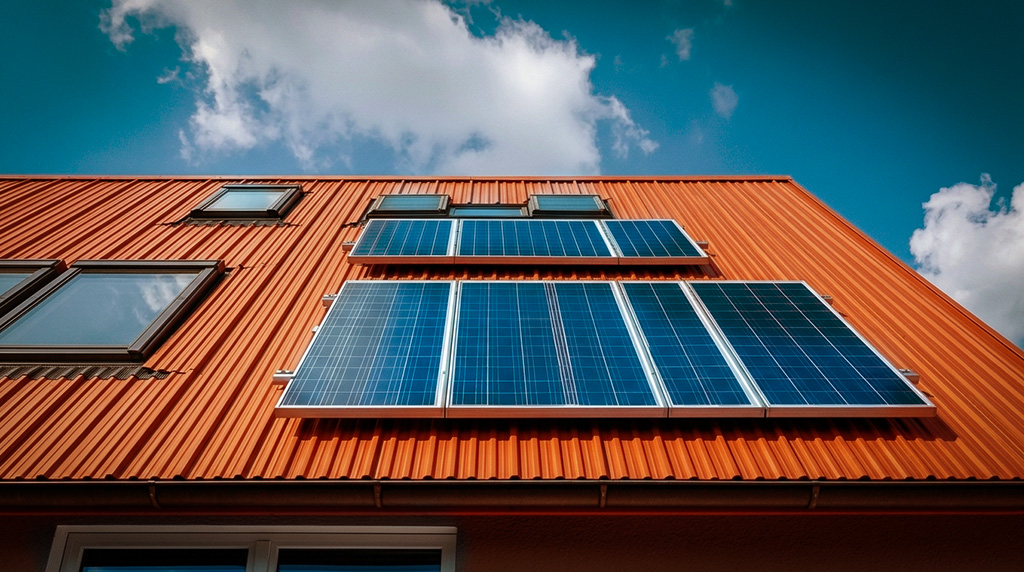
A New Era for Solar Performance in Harsh Weather
A major limitation of solar energy, reduced performance during rainy and cloudy conditions, is being addressed through a 2026 breakthrough in nanotechnology. Researchers at the Institute of Materials Science of Seville (ICMS) have developed a specialized thin-film coating that allows solar panels to generate electricity from raindrops.
This innovation marks a significant shift in how solar energy systems perform in all weather conditions. For countries like Nigeria, where seasonal rainfall affects solar output, this technology could redefine reliability and energy planning.
How Rain-Harvesting Solar Panels Work
The new technology is based on a nanostructured coating applied to the surface of solar panels. This coating enables dual energy harvesting:
- Solar Energy Capture: Standard photovoltaic conversion from sunlight
- Rain Energy Conversion: Kinetic energy from raindrops is converted into electricity
When raindrops hit the coated surface, they create a charge through a triboelectric effect. This charge is then captured and converted into usable electrical energy.
Unlike traditional panels, which experience reduced efficiency during rainfall, these advanced panels continue generating power, ensuring more consistent output.
Why This Breakthrough Matters
1. Improved Energy Reliability
Solar systems will no longer depend solely on sunlight. Energy generation continues even during storms.
2. Higher Annual Output
By capturing energy from both sun and rain, total yearly energy production increases significantly.
3. Ideal for Tropical Regions
Regions like Lagos and other parts of Nigeria benefit from frequent rainfall, making this innovation highly relevant.
Implications for the Nigerian Solar Market
For homeowners, businesses, and developers working with providers like PVPRO Nigeria, this advancement could mean:
- Reduced reliance on battery storage during rainy seasons
- Lower long-term energy costs
- Improved system ROI
This aligns with the broader push toward reliable renewable energy solutions across Nigeria.
For more insights into leading providers, see:
Best Solar Energy Company in Ikeja Lagos (2026 Review)
Industry Context: A Wave of Solar Innovation
This development is part of a broader transformation in solar technology:
- Breakthrough materials are pushing efficiency limits in perovskite-silicon tandem cells
- Policy shifts are reshaping global solar pricing
- AI-driven systems are optimizing energy distribution
Explore related trends:
- Breaking the Efficiency Frontier: Perovskite-Silicon Tandem Cells
- The End of “Ultra-Cheap” Solar: China’s Policy Shift
- Digital Infrastructure: AI-Managed “Virtual Power Plants”
Challenges and Commercial Readiness
Despite its promise, the technology is still in early stages. Key challenges include:
- Scaling production for mass adoption
- Ensuring durability of the nanocoating
- Cost-effectiveness compared to traditional panels
However, industry analysts expect pilot deployments within the next few years.
What This Means for Solar Buyers
For those considering solar installation in Nigeria:
- Timing matters: Early adopters may benefit from improved systems soon
- Technology evolution is accelerating
- Choosing the right installer remains critical
Read more:
- Cost of Solar Installation in Ikeja Lagos (2026 Price Guide)
- How to Choose a Solar Company in Ikeja (Avoid Scams)
- Solar Installation Cost for 2 Bedroom Flat in Ikeja
Conclusion
The introduction of solar panels that harvest energy from rain represents a major milestone in renewable energy. By addressing one of solar power’s most persistent limitations, this innovation moves the industry closer to true all-weather energy generation.
As adoption grows, this technology could become standard in regions with mixed weather conditions, positioning solar as a more dependable and scalable energy solution.
Shop new arrivals
Axpert VM II 2.5kW 24V Hybrid Solar Inverter for Solar Installers and Homes
Original price was: ₦441,335.00.₦431,335.00Current price is: ₦431,335.00.Axpert VM IV TWIN 4KW 24V Off-Grid Solar Inverter for Solar Installers and Homes
Original price was: ₦669,302.00.₦659,302.00Current price is: ₦659,302.00.Axpert VM II 5KW 48V Solar Inverter for Solar Installers and Homes
Original price was: ₦581,577.00.₦571,577.00Current price is: ₦571,577.00.Megarevo 5kWh 48V Hybrid Solar Inverter for Solar Installers and Home Systems
Original price was: ₦945,642.00.₦935,642.00Current price is: ₦935,642.00.Axpert VM II Elite 6KW 48V Off-Grid Solar Inverter (Single-Phase) for Solar Installers
Original price was: ₦819,837.00.₦809,837.00Current price is: ₦809,837.00.Megarevo 10KW 48V Hybrid Solar Inverter for Solar Installers and Home Systems
Original price was: ₦2,517,786.00.₦2,417,786.00Current price is: ₦2,417,786.00.Axpert MAX II TWIN 11KW 48V Off-Grid Solar Inverter (Single-Phase) for Solar Installers
Original price was: ₦1,810,641.00.₦1,710,641.00Current price is: ₦1,710,641.00.Megarevo 15KW Three-Phase Hybrid Solar Inverter for Solar Installers, Homes and Businesses
Original price was: ₦3,929,172.00.₦3,829,172.00Current price is: ₦3,829,172.00.InfiniSolar WP Elite 15KW Three-Phase Hybrid Solar Inverter for Commercial Solar Systems
Original price was: ₦5,605,623.00.₦5,505,623.00Current price is: ₦5,505,623.00.InfiniSolar WP II 30KW Three-Phase Hybrid Solar Inverter for Commercial and Industrial Solar Systems
Original price was: ₦7,350,724.00.₦7,250,724.00Current price is: ₦7,250,724.00.





9 Olaiya Street, Oregun, Ikeja, Lagos, Nigeria | Facebook | Instangram | Home