


News
AI Virtual Power Plants Are Reshaping Global Energy Infrastructure


The global energy sector is undergoing a major transformation as Artificial Intelligence (AI) takes control of power distribution systems. At the center of this shift is the rise of AI-managed Virtual Power Plants (VPPs), a digital innovation redefining how electricity is generated, distributed, and consumed.
Recent policy moves and large-scale investments signal that AI-powered energy grids are no longer experimental, they are becoming the backbone of modern electricity infrastructure.
European Commission Mandates AI-Driven Energy Systems
The European Commission has taken a decisive step by mandating the adoption of AI-driven Virtual Power Plants across member states.
This policy aims to modernize aging grid systems and address growing energy demand with smarter, more adaptive technologies. Instead of relying solely on centralized power plants, VPPs aggregate distributed energy resources such as solar panels, battery storage systems, and smart meters into a unified, intelligent network.
By using AI to balance energy loads in real time, these systems reduce inefficiencies and prevent outages, especially during peak demand periods.
Thailand’s $1.8 Billion AI Energy Transformation
In parallel, Thailand has launched a $1.8 billion initiative to digitize its energy infrastructure using AI-powered systems.
The project leverages machine learning to predict solar energy output with up to 98% accuracy. This level of precision allows grid operators to plan supply more effectively, significantly reducing the need for gas-fired backup plants.
As a result, Thailand is building a leaner and more sustainable power system, one that relies less on fossil fuels and more on intelligent forecasting.
What Are Virtual Power Plants?
A Virtual Power Plant is a network of decentralized energy resources that are connected and managed through software rather than physical infrastructure.
These resources include:
- Rooftop solar installations
- Battery storage systems
- Electric vehicles
- Smart appliances
AI acts as the “brain” of the system, coordinating these assets to function as a single power plant. This allows energy providers to respond dynamically to fluctuations in supply and demand.
Key Benefits of AI-Managed VPPs
1. Improved Grid Stability
AI systems continuously monitor energy flows and adjust distribution in real time, reducing blackouts and voltage fluctuations.
2. Reduced Energy Costs
By optimizing energy usage and minimizing waste, VPPs lower operational costs for both providers and consumers.
3. Lower Carbon Emissions
With less reliance on fossil fuel backup systems, AI-managed grids significantly cut greenhouse gas emissions.
4. Enhanced Renewable Integration
VPPs make it easier to integrate intermittent energy sources like solar and wind into the grid.
Implications for Nigeria’s Energy Sector
For Nigeria, where power supply remains inconsistent, AI-managed Virtual Power Plants present a significant opportunity.
As a leading provider in the industry, Top Solar Energy Company in Nigeria can leverage this technology to deliver more reliable and efficient energy solutions.
The adoption of VPPs could:
- Stabilize electricity supply in urban areas like Ikeja and Lagos
- Reduce dependence on diesel generators
- Improve the performance of solar installations
This aligns with ongoing efforts to modernize Nigeria’s energy infrastructure and expand renewable energy adoption.
How This Fits Into Broader Solar Innovation Trends
The rise of AI-powered VPPs complements other emerging trends in the solar industry. For deeper insights, explore these related developments:
- Breaking the Efficiency Frontier: Perovskite-Silicon Tandem Cells
- All-Weather Energy: Solar Panels That Harvest Rain
- The End of “Ultra-Cheap” Solar: China’s Policy Shift
- Urban Decentralization: 2026 is the “Year of the Renter“
- Moving Toward Baseload: The MTerra Solar Mega-Project
- Land-Use Innovation: The Agrivoltaics Boom
Additionally, if you are based in Lagos, these guides can help you make informed decisions:
- Best Solar Energy Company in Ikeja Lagos (2026 Review)
- Cost of Solar Installation in Ikeja Lagos (2026 Price Guide)
- Top 10 Solar Installers in Ikeja Lagos (Compared)
- How to Choose a Solar Company in Ikeja (Avoid Scams)
- Solar Installation Cost for 2 Bedroom Flat in Ikeja
The Future of Energy Is Digital
The shift toward AI-managed Virtual Power Plants marks a turning point in global energy systems. With governments like the European Commission enforcing adoption and countries like Thailand investing heavily in AI-driven infrastructure, the transition is accelerating.
Energy grids are no longer just physical systems, they are becoming intelligent, adaptive networks capable of self-optimization.
For emerging markets like Nigeria, adopting this technology could unlock a more stable, efficient, and sustainable energy future.
Shop new arrivals
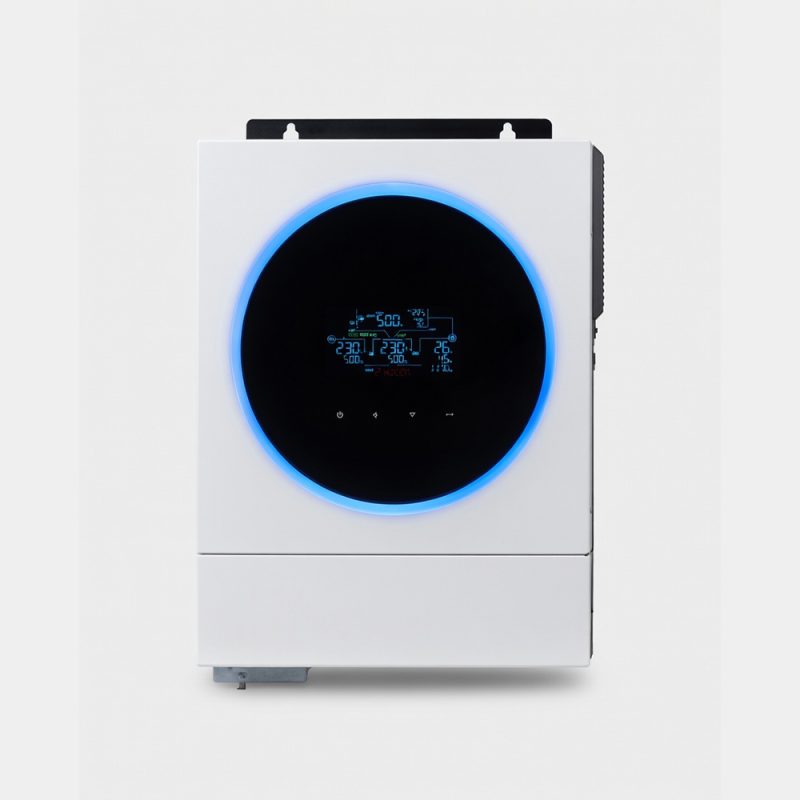
Axpert VM II 2.5kW 24V Hybrid Solar Inverter for Solar Installers and Homes
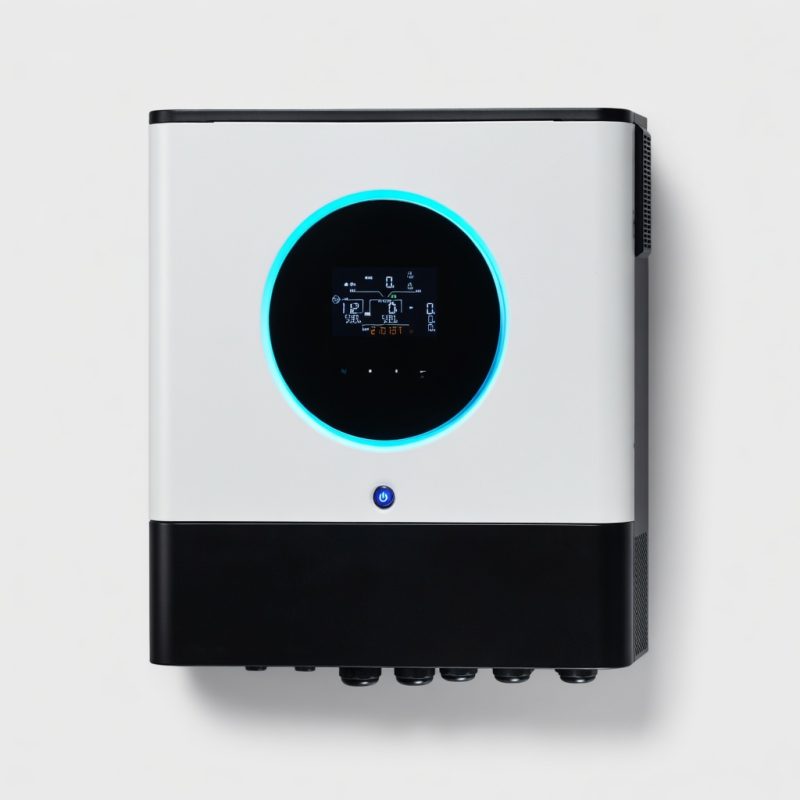
Original price was: ₦441,335.00.₦431,335.00Current price is: ₦431,335.00.Axpert VM IV TWIN 4KW 24V Off-Grid Solar Inverter for Solar Installers and Homes
Original price was: ₦669,302.00.₦659,302.00Current price is: ₦659,302.00.Axpert VM II 5KW 48V Solar Inverter for Solar Installers and Homes
Original price was: ₦581,577.00.₦571,577.00Current price is: ₦571,577.00.Megarevo 5kWh 48V Hybrid Solar Inverter for Solar Installers and Home Systems
Original price was: ₦945,642.00.₦935,642.00Current price is: ₦935,642.00.Axpert VM II Elite 6KW 48V Off-Grid Solar Inverter (Single-Phase) for Solar Installers
Original price was: ₦819,837.00.₦809,837.00Current price is: ₦809,837.00.Megarevo 10KW 48V Hybrid Solar Inverter for Solar Installers and Home Systems
Original price was: ₦2,517,786.00.₦2,417,786.00Current price is: ₦2,417,786.00.Axpert MAX II TWIN 11KW 48V Off-Grid Solar Inverter (Single-Phase) for Solar Installers
Original price was: ₦1,810,641.00.₦1,710,641.00Current price is: ₦1,710,641.00.Megarevo 15KW Three-Phase Hybrid Solar Inverter for Solar Installers, Homes and Businesses
Original price was: ₦3,929,172.00.₦3,829,172.00Current price is: ₦3,829,172.00.InfiniSolar WP Elite 15KW Three-Phase Hybrid Solar Inverter for Commercial Solar Systems
Original price was: ₦5,605,623.00.₦5,505,623.00Current price is: ₦5,505,623.00.InfiniSolar WP II 30KW Three-Phase Hybrid Solar Inverter for Commercial and Industrial Solar Systems
Original price was: ₦7,350,724.00.₦7,250,724.00Current price is: ₦7,250,724.00.





9 Olaiya Street, Oregun, Ikeja, Lagos, Nigeria | Facebook | Instangram | Home