News
School Solar Installation in Nigeria: Cost Guide 2026

School Solar Installation in Nigeria: Cost Guide 2026
Reliable electricity is essential for every modern school in Nigeria. From classrooms and computer laboratories to libraries, hostels, and administrative offices, power keeps daily activities running smoothly. It also supports security systems, internet connectivity, and digital learning platforms.
Unfortunately, many schools still struggle with unreliable electricity from the national grid. As a result, administrators spend millions of naira every year on diesel generators, fuel, and maintenance. These recurring expenses reduce funds that could otherwise improve teaching, learning resources, and campus development.
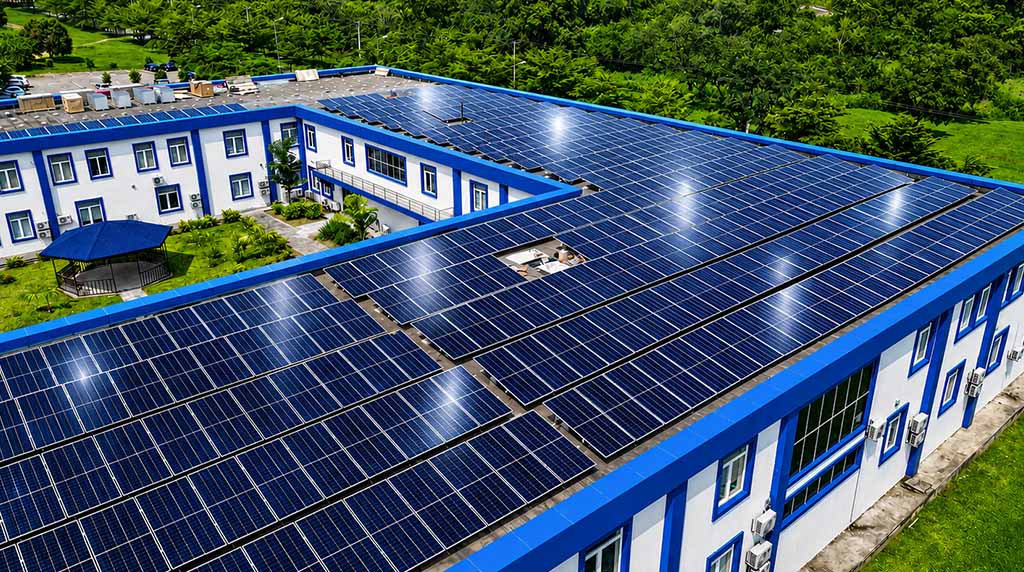
Fortunately, solar energy offers a long-term solution. A professionally designed School Solar Installation in Nigeria can reduce electricity costs by 50–90%, lower diesel consumption, and provide reliable power throughout the day. Moreover, when combined with lithium battery storage, a solar system can keep essential facilities running during power outages.
Whether you operate a nursery school, primary school, secondary school, college, polytechnic, university, or vocational training centre, investing in solar energy can improve operational efficiency. At the same time, it can deliver significant long-term savings.
What This School Solar Installation Guide Covers
In this guide, you’ll discover:
- School Solar Installation Nigeria costs for 2026
- Recommended solar system sizes for different schools
- Factors that affect installation costs
- Generator vs. solar cost comparison
- Expected return on investment (ROI)
- Major components of a commercial solar system
- How to choose the best commercial solar installer in Nigeria
Why Schools Need Solar Energy in Nigeria
Schools depend on electricity every day to provide a safe, comfortable, and productive learning environment. Without reliable power, academic activities can quickly become disrupted.
What Does Electricity Power in a School?
Electricity supports many essential school facilities and services, including:
- Classrooms
- Administrative offices
- Computer laboratories
- Science laboratories
- Libraries
- Staff rooms
- Hostels and dormitories
- School clinics
- Water pumping systems
- Security lighting
- CCTV surveillance
- Internet and networking equipment
- Assembly halls
- Sporting facilities
- Electric vehicle charging stations, where applicable
However, frequent power outages can interrupt classroom lessons and make digital learning difficult. In addition, outages can affect online examinations, reduce internet access, and damage sensitive equipment.
Why Boarding Schools Need More Power
Boarding schools face even greater energy demands because electricity is required throughout the day and night. For example, students need reliable power for lighting, water supply, security, internet access, and hostel facilities.
Consequently, boarding schools often depend heavily on diesel generators. Although generators provide backup electricity, their fuel and maintenance costs can become a major part of the school’s operating expenses.
How Solar Energy Helps Schools
Solar energy provides a cleaner and more affordable alternative. Instead of relying mainly on diesel generators, schools can generate electricity from sunlight.
Furthermore, adding lithium battery storage allows the system to store excess solar energy for use when sunlight is unavailable. Therefore, schools can maintain power for essential loads during grid outages and at night.
Benefits of School Solar Installation in Nigeria
A commercial solar system offers both financial and operational benefits. Furthermore, it helps educational institutions become more sustainable while improving the learning environment.
Lower Electricity Bills
One of the biggest advantages of solar energy is lower electricity costs. Since schools generate much of their own power, their dependence on the national grid and diesel generators decreases significantly.
As a result, schools can redirect part of their energy savings toward other important areas, such as:
- Classroom improvements
- Teacher development
- Laboratory equipment
- Learning materials
- Student scholarships
- Campus expansion
Therefore, solar energy can support both energy savings and broader school development.
Uninterrupted Learning
Reliable electricity allows schools to operate with fewer unnecessary interruptions. This is particularly important for institutions that depend on computers, internet services, laboratory equipment, and digital learning platforms.
For example, solar energy can help ensure that:
- Classroom lessons continue smoothly.
- Computer-based examinations run without disruption.
- Online learning platforms remain accessible.
- Laboratories function efficiently.
- Administrative offices stay productive.
As a result, both teachers and students can enjoy a more reliable learning experience.
Reduced Generator Costs
Solar power can also reduce generator usage. Consequently, schools can spend less money on diesel fuel and generator maintenance.
The reduction in generator use can provide several additional benefits, including:
- Lower fuel consumption
- Reduced servicing costs
- Longer generator lifespan
- Less noise pollution across the campus
Moreover, schools can reduce the disruption caused by generator noise, especially around classrooms, libraries, and administrative areas.
Better Learning Environment
A dependable electricity supply creates a more comfortable environment for students, teachers, and staff. For instance, reliable solar power can support lighting, cooling systems, internet services, and audiovisual equipment.
Schools can therefore benefit from:
- Well-lit classrooms
- Air-conditioned offices and lecture halls
- Reliable internet connectivity
- Continuous operation of audiovisual equipment
- Improved campus security
In turn, these improvements can support better academic activities and increase student and staff satisfaction.
Environmental Sustainability
Solar energy also helps schools reduce their carbon emissions. In addition, educational institutions can use their solar installations as practical teaching tools for renewable energy and environmental education.
For example, students can learn about solar panels, battery storage, energy efficiency, and clean energy technology through the school’s own solar system.
Therefore, by adopting clean energy, schools can demonstrate their commitment to sustainability while preparing students for a greener future.
Factors That Affect School Solar Installation Costs
Every educational institution has different electricity requirements. Therefore, several factors determine the cost of a School Solar Installation in Nigeria.
Student Population
Larger student populations usually consume more electricity. As enrollment increases, demand also rises for lighting, cooling, computers, and administrative facilities.
Number of Buildings
Campus size also affects the required solar capacity. Typical facilities include:
- Classroom blocks
- Administrative offices
- Libraries
- Laboratories
- Hostels
- Cafeterias
- Sports complexes
Naturally, more buildings require a larger solar system.
Boarding or Day School
Boarding schools operate around the clock. Therefore, they require more electricity than day schools.
Daily energy demand often includes:
- Hostel lighting
- Water pumping
- Kitchen operations
- Security systems
- Staff accommodation
Air Conditioning Requirements
Air conditioners significantly increase electricity consumption. Consequently, schools with air-conditioned classrooms, offices, lecture theatres, or laboratories require larger solar installations.
Computer Laboratories
Modern ICT centres consume substantial power because they operate desktop computers, servers, networking equipment, projectors, and interactive learning systems.
Water Supply Systems
Many schools rely on electric pumps to supply water for:
- Hostels
- Toilets
- Kitchens
- Laboratories
- Staff accommodation
Therefore, solar energy can reduce the operating costs of these essential systems.
Battery Backup Requirements
Some schools require electricity during evening classes, examinations, or overnight hostel operations. In such cases, larger lithium battery storage systems are recommended to ensure uninterrupted power.
Available Roof Space
Finally, available roof space determines how many solar panels can be installed. If rooftop space is limited, ground-mounted solar systems may provide a practical alternative.
Recommended Solar System Sizes for Schools
The ideal solar system depends on student population, campus size, operating hours, and daily electricity consumption. Therefore, a professional energy assessment should guide the final system size.
| Institution Type | Recommended Solar System |
|---|---|
| Nursery & Primary School | 15–30 kW |
| Private Secondary School | 30–60 kW |
| Boarding School | 60–120 kW |
| Polytechnic or College | 100–250 kW |
| University Campus | 250 kW–1 MW+ |
Every school has unique energy needs. Consequently, a professional energy audit should always be completed before selecting the final system size. This assessment ensures the solar installation meets current electricity demand while allowing room for future campus expansion.
Why Choose PVPRO Nigeria for Your School Solar Project?
PVPRO Nigeria designs and installs reliable commercial solar systems for educational institutions across Nigeria.
Our experienced engineers understand the unique energy requirements of schools. Therefore, we develop customized solutions using premium Tier-1 solar panels, high-performance hybrid inverters, and long-lasting lithium batteries.
Whether you’re planning a solar installation for a nursery school, private secondary school, polytechnic, university, or vocational training centre, we deliver dependable systems that reduce electricity costs while providing reliable power for learning.
School Solar Installation Cost in Nigeria (2026)
The cost of a School Solar Installation in Nigeria depends on several important factors. These include the number of students, campus size, daily electricity consumption, boarding facilities, laboratory equipment, battery storage requirements, and the quality of the solar components selected.
As a result, no two schools require exactly the same solar system. A nursery school with a few classrooms will need a smaller installation than a university campus with multiple buildings and hostels.
Nevertheless, investing in solar energy can significantly reduce electricity bills while providing reliable power for classrooms, laboratories, offices, and other critical facilities.
Estimated School Solar Installation Costs
Below is a general estimate of commercial school solar installation costs in Nigeria for 2026.
Note: The prices below are estimates for complete turnkey installations. They include premium Tier-1 solar panels, hybrid inverters, lithium battery storage, mounting structures, electrical protection, installation, testing, and commissioning. However, a professional energy audit and site assessment should always be carried out before a final quotation is prepared.
| Institution Type | Recommended Solar System | Estimated Investment |
|---|---|---|
| Nursery & Primary School | 15–30 kW | ₦15 Million–₦28 Million |
| Private Secondary School | 30–60 kW | ₦28 Million–₦55 Million |
| Boarding School | 60–120 kW | ₦55 Million–₦120 Million |
| Polytechnic or College | 100–250 kW | ₦100 Million–₦250 Million |
| University Campus | 250 kW–1 MW+ | Custom Quotation |
The final investment depends on energy demand, battery capacity, installation complexity, equipment specifications, and future expansion plans. Therefore, every commercial project should begin with a detailed energy assessment.
Recommended Solar Systems by School Type
Choosing the right system size is essential for achieving maximum savings and reliable performance. Furthermore, selecting the correct capacity prevents unnecessary spending while ensuring sufficient power for daily operations.
Nursery and Primary School Solar System
Most nursery and primary schools require electricity for:
- Classrooms
- Administrative offices
- Staff rooms
- Basic ICT facilities
- Security lighting
- Water pumping
- CCTV surveillance
Recommended System
| Component | Recommendation |
|---|---|
| Solar Capacity | 20 kW |
| Hybrid Inverter | 20–30 kW |
| Lithium Battery Storage | 30–50 kWh |
| Estimated Daily Energy Consumption | 80–150 kWh |
Estimated Installation Cost
₦15 Million–₦25 Million
A system of this size provides dependable electricity for daily school activities. In addition, it can reduce diesel generator usage and lower monthly electricity costs.
Private Secondary School Solar System
Private secondary schools usually consume more electricity because they operate additional academic and administrative facilities.
These often include:
- Multiple classroom blocks
- Science laboratories
- Computer laboratories
- Administrative offices
- Libraries
- School halls
- Security systems
Recommended System
| Component | Recommendation |
|---|---|
| Solar Capacity | 50 kW |
| Hybrid Inverter | 60 kW |
| Lithium Battery Storage | 80–120 kWh |
| Estimated Daily Energy Consumption | 220–350 kWh |
Estimated Installation Cost
₦35 Million–₦55 Million
In addition to lowering electricity bills, this system supports uninterrupted learning and reduces dependence on diesel generators throughout the academic year.
Boarding School Solar System
Boarding schools require electricity around the clock. Consequently, they need larger commercial solar systems with greater battery storage capacity.
Daily electricity demand typically covers:
- Student hostels
- Dining halls
- Kitchens
- Water pumping systems
- Security lighting
- Staff accommodation
- Medical facilities
- Laundry services
Recommended System
| Component | Recommendation |
|---|---|
| Solar Capacity | 100 kW |
| Hybrid Inverter | 100–120 kW |
| Lithium Battery Storage | 180–250 kWh |
| Estimated Daily Energy Consumption | 500–700 kWh |
Estimated Installation Cost
₦80 Million–₦120 Million
Because boarding schools operate both day and night, investing in a larger battery bank helps maintain electricity during power outages.
Polytechnic or University Campus Solar System
Higher institutions have complex energy requirements because of their large campuses and diverse facilities.
These commonly include:
- Lecture theatres
- Administrative complexes
- Engineering laboratories
- ICT centres
- Libraries
- Student hostels
- Medical centres
- Cafeterias
- Sports complexes
Recommended System
| Component | Recommendation |
|---|---|
| Solar Capacity | 250–500 kW+ |
| Hybrid Inverter | 250–500 kW |
| Lithium Battery Storage | Project-Specific |
| Estimated Daily Energy Consumption | Based on Energy Audit |
Estimated Installation Cost
Custom Project Quotation
Since every university or polytechnic has different electricity demands, a detailed commercial energy audit is necessary before designing the final system.
Major Components of a School Solar System
A reliable commercial solar installation consists of several high-quality components working together. Therefore, selecting premium equipment is essential for long-term performance and maximum energy production.
High-Efficiency Solar Panels
Solar panels generate electricity throughout the day by converting sunlight into usable power.
For commercial educational projects, PVPRO Nigeria recommends premium Tier-1 solar panels because they offer:
- High energy conversion efficiency
- Excellent durability
- Reliable performance in Nigeria’s climate
- Up to 25-year performance warranty
Consequently, these panels can help schools maximize energy production while reducing long-term maintenance costs.
Commercial Hybrid Inverters
Hybrid inverters act as the control centre of the entire solar system. They intelligently manage electricity from:
- Solar panels
- Lithium batteries
- National grid
- Diesel generators
As a result, schools can enjoy reliable electricity while making efficient use of available solar energy.
Lithium Battery Storage
Battery storage allows schools to continue operating after sunset or during grid failures.
Compared with traditional lead-acid batteries, lithium batteries provide:
- Longer service life
- Faster charging
- Higher usable capacity
- Minimal maintenance
- Lower lifetime operating costs
Consequently, lithium batteries have become a preferred choice for many commercial school solar installations.
Mounting Structures
Strong mounting structures securely hold solar panels in place.
In addition, commercial-grade mounting systems are designed to withstand Nigeria’s weather conditions while positioning the panels for maximum energy production.
Electrical Protection and Monitoring
Every commercial solar system should also include proper electrical protection.
Essential safety components include:
- Surge protection devices
- Circuit breakers
- DC isolators
- Earthing systems
- Lightning protection
- Remote monitoring platform
These components improve safety, protect expensive equipment, and simplify ongoing maintenance.
Additional Factors That Influence Installation Costs
Although system size is important, several other factors can influence the total project cost. These factors should therefore be reviewed before preparing a final quotation.
They include:
- Student population
- Number of classroom blocks
- Boarding or day school operations
- Laboratory equipment
- Computer laboratories
- Air conditioning requirements
- Water pumping systems
- Hostel facilities
- Battery backup duration
- Available roof space
- Future campus expansion
Therefore, every project should begin with a professional load assessment. This process ensures the system is correctly sized for both current electricity demand and future growth.
Why Schools Are Switching to Solar
Across Nigeria, more educational institutions are investing in solar energy. Rising diesel prices, unstable electricity supply, and increasing operating costs continue to encourage schools to adopt renewable energy solutions.
As a result, many institutions now enjoy:
- Lower electricity bills
- Reduced diesel consumption
- Reliable power for classrooms and laboratories
- Improved campus security
- Lower generator maintenance costs
- Better learning environments
- Long-term energy savings
Most importantly, solar energy allows schools to redirect operational savings toward educational development instead of spending large amounts on fuel and generator repairs.
Generator vs. Solar: Which Is Better for Schools?
Many schools in Nigeria still rely on diesel generators as their primary backup power source. Although generators provide electricity during outages, they also create ongoing expenses. Schools must pay for diesel, engine oil, routine servicing, spare parts, and unexpected repairs throughout the year.
However, commercial solar energy offers a more reliable and cost-effective solution. Instead of depending on fuel every day, schools can generate clean electricity from sunlight while reducing long-term operating costs.
The initial investment in solar is higher than purchasing a generator. Nevertheless, the long-term savings on diesel, electricity bills, and maintenance can make solar a smarter financial investment.
| Cost Factor | Diesel Generator | Commercial Solar System |
|---|---|---|
| Initial Investment | Lower | Higher |
| Monthly Fuel Cost | Very High | ₦0 for Solar Energy |
| Maintenance | Frequent | Minimal |
| Electricity Cost | Continues to Increase | More Stable Long-Term Cost |
| Noise Pollution | High | Silent Operation |
| Carbon Emissions | High | Clean Renewable Energy |
| Equipment Lifespan | 5–10 Years | 25+ Years for Solar Panels |
| Long-Term Savings | Limited | Excellent |
Schools that operate throughout the week benefit significantly from solar energy. Furthermore, as electricity tariffs and diesel prices increase, solar provides more predictable energy costs and greater financial stability.
How Much Can Schools Save with Solar?
One of the biggest reasons schools invest in solar energy is the opportunity to reduce operating expenses.
Depending on energy consumption and system design, educational institutions can achieve significant savings every year. In addition, lower energy costs free up more funds for teaching, infrastructure, and student development.
Potential Energy Savings
With a professionally designed commercial solar system, schools can:
- Reduce diesel consumption by up to 80%
- Lower electricity bills by 50–90%
- Reduce generator servicing costs
- Protect against future electricity tariff increases
- Improve long-term budget planning
Instead of spending millions on fuel, schools can invest those savings in classrooms, laboratories, staff development, and modern learning facilities.
Estimated Annual Energy Savings
| Institution Type | Estimated Annual Energy Cost Before Solar | Estimated Annual Savings |
|---|---|---|
| Nursery & Primary School | ₦6 Million–₦12 Million | ₦3 Million–₦7 Million |
| Private Secondary School | ₦15 Million–₦30 Million | ₦8 Million–₦18 Million |
| Boarding School | ₦35 Million–₦70 Million | ₦18 Million–₦45 Million |
| Polytechnic or University | Custom | Significant Long-Term Savings |
Note: Actual savings depend on electricity usage, diesel consumption, battery storage capacity, and the overall system design.
Return on Investment (ROI)
Commercial solar systems can deliver strong long-term financial returns for schools across Nigeria.
Although the initial investment may seem substantial, schools can recover the installation cost through reduced electricity and diesel expenses. After the payback period, the solar system can continue generating electricity for many years.
Estimated Payback Period
| Institution Type | Estimated ROI / Payback Period |
|---|---|
| Nursery & Primary School | 3–5 Years |
| Private Secondary School | 3–5 Years |
| Boarding School | 4–6 Years |
| Polytechnic or University | Project-Specific Assessment |
Furthermore, premium solar panels can continue producing electricity for more than 25 years. Consequently, schools can enjoy decades of reduced operating costs and improved energy independence.
Signs Your School Needs Solar Energy
Many educational institutions experience rising energy costs without realizing that solar can address several of these challenges.
Your school should consider a School Solar Installation in Nigeria if you experience any of the following:
- High monthly diesel expenses
- Frequent power outages
- Increasing electricity bills
- Generator breakdowns
- Interrupted classroom activities
- Poor internet connectivity during outages
- Laboratory disruptions
- Hostel power challenges
- Rising operational costs
- Campus expansion requiring more electricity
If several of these challenges affect your institution, switching to solar could significantly improve daily operations. At the same time, it can reduce long-term energy expenses.
How to Choose the Right Solar Installer
Selecting the right solar installer is just as important as choosing quality equipment. Therefore, schools should carefully evaluate every contractor before making a decision.
Commercial Solar Experience
Choose a company with proven experience in designing and installing commercial solar projects for institutions such as:
- Schools
- Universities
- Hospitals
- Hotels
- Office buildings
- Manufacturing facilities
Commercial projects require advanced engineering, accurate load calculations, and experienced project management. Consequently, experienced installers can deliver more reliable systems.
Premium Solar Equipment
Reliable systems begin with high-quality components. Look for installers that use:
- Tier-1 solar panels
- Commercial hybrid inverters
- Premium lithium batteries
- Certified electrical protection devices
- Smart energy monitoring systems
High-quality equipment improves efficiency, extends system lifespan, and reduces maintenance costs.
Professional Energy Audit
A commercial solar system should not be installed without a detailed energy assessment.
A professional audit evaluates:
- Electricity bills
- Generator fuel usage
- Peak electricity demand
- Classroom loads
- Laboratory equipment
- Hostel requirements
- Future campus expansion
As a result, the final system can be accurately sized to meet both current and future electricity needs.
Quality Installation
Even the best equipment will not perform well without professional installation.
A quality commercial installation should include:
- Proper cable routing
- Secure solar panel mounting
- Earthing and lightning protection
- Electrical safety compliance
- Comprehensive testing and commissioning
These installation standards improve reliability, safety, and long-term performance.
Reliable After-Sales Support
After installation, schools still require ongoing technical support.
Choose a solar company that provides:
- Preventive maintenance
- Performance monitoring
- Technical troubleshooting
- Warranty support
- System optimization
Regular maintenance helps maximize energy production while protecting your investment.
Why Choose PVPRO Nigeria?
PVPRO Nigeria designs and installs reliable commercial solar systems for educational institutions across Nigeria.
Our experienced engineers understand the energy demands of modern schools. Therefore, we develop customized solutions that reduce electricity costs while providing dependable power throughout the year.
Our School Solar Services
- School solar system design
- Commercial solar installation
- Hybrid inverter supply and installation
- Lithium battery energy storage
- Tier-1 solar panel supply
- Energy audits and load assessments
- Preventive maintenance
- Nationwide installation and technical support
Whether you operate a nursery school, secondary school, boarding school, polytechnic, university, or vocational training centre, PVPRO Nigeria can design a solar solution that matches your energy requirements and budget.
By partnering with an experienced commercial solar installer, your institution can reduce diesel costs, improve operational efficiency, and provide students with a more reliable learning environment.
Frequently Asked Questions About School Solar Installation
How much does School Solar Installation in Nigeria cost?
The cost depends on several factors, including the size of the school, student population, daily electricity consumption, battery storage requirements, and the equipment selected. Generally, smaller schools may require investments starting from ₦15 million, while larger institutions such as universities can require systems exceeding ₦250 million.
Can solar power run a school throughout the day?
Yes. A properly designed hybrid solar system can power classrooms, computer laboratories, administrative offices, libraries, security systems, and other essential facilities throughout the day. Moreover, when combined with lithium battery storage, the system can continue supplying electricity during power outages and after sunset.
Is solar better than relying only on diesel generators?
Yes. Solar energy can significantly reduce diesel consumption, lower electricity bills, minimize generator maintenance, and provide a cleaner, quieter source of electricity. As a result, schools can enjoy lower operating costs and a more reliable power supply.
How long does a commercial school solar system last?
Premium solar panels typically last 25 years or more. Meanwhile, hybrid inverters and lithium batteries have different lifespans depending on the manufacturer, operating conditions, and maintenance schedule. Regular servicing also helps maximize system performance and longevity.
Why More Schools in Nigeria Are Investing in Solar Energy in 2026
Across Nigeria, educational institutions are increasingly treating solar energy as a strategic investment rather than simply an alternative power source. Rising diesel prices, unstable electricity supply, and increasing operational costs have made reliable energy more important than ever.
Furthermore, many schools are expanding their campuses and adopting digital learning technologies. Consequently, dependable electricity has become essential for delivering quality education.
Key Benefits for Schools
Schools that invest in solar energy benefit from:
- Lower monthly electricity bills
- Reduced diesel consumption
- Reliable power for classrooms and laboratories
- Better learning environments
- Improved campus security
- Lower generator maintenance costs
- Increased operational efficiency
- Support for environmental sustainability
In addition, solar energy enables school owners to focus more on academic excellence instead of worrying about rising fuel expenses and constant power interruptions.
Our School Solar Installation Process
At PVPRO Nigeria, every School Solar Installation in Nigeria follows a structured process designed to deliver reliable performance, long-term savings, and maximum return on investment.
Step 1: Initial Consultation
The project begins with a detailed consultation to understand your school’s:
- Student population
- Campus size
- Current electricity challenges
- Future expansion plans
- Budget requirements
After gathering this information, our engineers recommend the most suitable commercial solar solution.
Step 2: Energy Audit and Site Assessment
Next, our commercial solar engineers conduct a comprehensive energy assessment.
During this stage, we evaluate:
- Electricity bills
- Diesel generator usage
- Daily energy consumption
- Classroom and laboratory loads
- Hostel power requirements
- Available roof space
- Existing electrical infrastructure
This assessment ensures that the proposed solar system is accurately sized.
Step 3: System Design and Proposal
Following the site assessment, we prepare a customized proposal that includes:
- Recommended solar capacity
- Hybrid inverter sizing
- Lithium battery storage requirements
- Equipment specifications
- Estimated installation cost
- Expected annual savings
- Return on investment (ROI)
Therefore, every recommendation is tailored to your institution’s current and future energy needs.
Step 4: Professional Installation
Once the proposal is approved, our engineers begin the installation process.
This stage includes:
- Solar panel installation
- Electrical wiring
- Hybrid inverter installation
- Lithium battery integration
- Protection systems
- System configuration
Throughout the project, we follow industry best practices to ensure safety, reliability, and long-term performance.
Step 5: Testing and Commissioning
Before handover, every commercial solar system undergoes comprehensive testing.
Our engineers verify:
- Solar power generation
- Battery charging and backup operation
- Grid and generator synchronization
- Remote monitoring functionality
- Electrical safety compliance
Consequently, your system is ready to operate efficiently from the first day.
Step 6: Maintenance and Technical Support
Our relationship with clients continues after installation.
We provide:
- Preventive maintenance
- Remote system monitoring
- Technical support
- Performance optimization
- Warranty assistance
As a result, your solar system can continue operating efficiently for many years.
Why Choose PVPRO Nigeria?
PVPRO Nigeria is a trusted commercial solar company serving educational institutions across Nigeria.
Our experienced engineers design reliable solar systems using premium equipment that delivers excellent long-term performance and energy savings.
We Deliver Solar Solutions For:
- Nursery Schools
- Primary Schools
- Secondary Schools
- Boarding Schools
- Colleges of Education
- Polytechnics
- Universities
- Vocational Training Centres
- International Schools
- Faith-Based Educational Institutions
Why Schools Trust PVPRO Nigeria
- Experienced commercial solar engineers
- Customized solar system designs
- Premium Tier-1 solar panels
- High-performance hybrid inverters
- Reliable lithium battery storage
- Nationwide installation services
- Professional project management
- Comprehensive after-sales support
- Transparent pricing and quality workmanship
Whether your institution is located in Lagos, Abuja, Port Harcourt, Kano, Ibadan, Enugu, Abeokuta, Benin City, or anywhere else in Nigeria, PVPRO Nigeria has the expertise to deliver dependable commercial solar solutions.
Ready to Reduce Your School’s Electricity Costs?
If your school spends heavily on diesel, experiences frequent power outages, or wants to provide a better learning environment, now is the ideal time to invest in solar energy.
PVPRO Nigeria provides complete commercial solar solutions, including energy audits, system design, equipment supply, professional installation, and ongoing maintenance. In addition, our team works closely with every client to deliver a solution that matches both energy requirements and budget.
Contact us today to schedule a professional site assessment and receive a customized quotation for your school.
9 Olaiya Street, Oregun, Ikeja, Lagos, Nigeria | Facebook | Instangram | Home