


News
10 Things to Do Before Installing Solar Panels in Nigeria (2026 Guide)


Lagos, Nigeria — 2026
As electricity costs rise and grid reliability continues to fluctuate across Nigeria, more homeowners and businesses are turning to solar energy. However, installing solar panels without proper preparation can lead to poor performance, wasted investment, and long-term technical issues.
Industry experts emphasize that careful planning before installation is the key to maximizing efficiency, reducing costs, and ensuring long-term reliability.
This guide outlines the 10 critical steps every Nigerian property owner must take before installing solar panels in 2026, with insights relevant to Lagos, Africa, and global best practices.
1. Assess Your Energy Needs
Before installing a solar system, calculate your daily electricity consumption.
- List all appliances
- Check wattage ratings
- Estimate usage hours
This step determines the correct system size, preventing underperformance or overspending.
For a deeper breakdown, read:
Pre-Solar Installation Checklist: What Every Homeowner Must Know
2. Conduct a Site Inspection
A professional inspection evaluates:
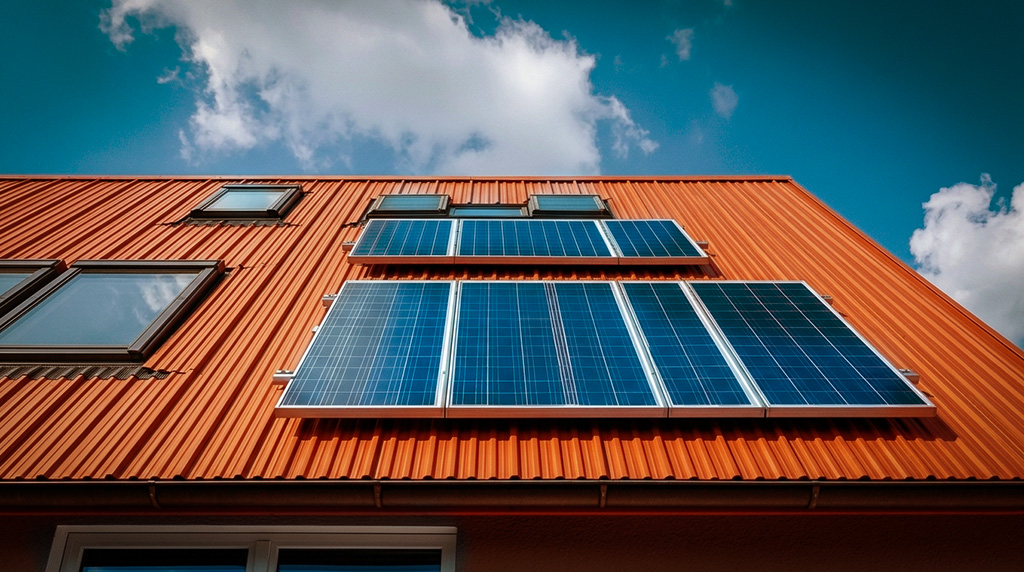
- Roof condition
- Available space
- Structural strength
In Lagos and coastal regions, buildings must withstand humidity and corrosion factors.
3. Evaluate Sunlight Exposure
Solar panels require optimal sunlight.
Key checks include:
- Roof orientation (south-facing is ideal)
- Shading from trees or nearby buildings
- Seasonal sunlight variations
Homes in high-density areas like Ikoyi and Lekki should pay special attention to shading.
4. Choose the Right Solar System Type
Select a system based on your needs:
- Grid-tied systems
- Hybrid systems
- Off-grid systems
For urban Nigeria, hybrid systems are often preferred due to grid instability.
Explore system options here:
Residential Solar Installation in Lagos, Nigeria
5. Set a Realistic Budget
Solar installation costs vary depending on:
- System size (kVA)
- Battery capacity
- Inverter quality
Planning your budget early helps avoid delays and ensures better component selection.
Related reading:
Before You Install Solar: Key Steps to Save Cost and Avoid Mistakes
6. Understand Local Regulations and Permits
Although Nigeria has fewer restrictions compared to global markets, you should still:
- Confirm building compliance
- Check estate regulations (especially in Ikoyi and Banana Island)
- Ensure installer certification
Globally, compliance improves system safety and resale value.
7. Select a Trusted Solar Installer
Choosing the right installer is critical.
Look for:
- Proven track record
- Warranty coverage
- After-sales support
For businesses and large-scale projects, visit:
Commercial & Industrial Solar System in Lagos
8. Plan Battery Storage Properly
Battery selection determines how long your system runs without sunlight.
Consider:
- Lithium vs tubular batteries
- Backup duration needs
- Future expansion
Battery technology is evolving rapidly across Africa and globally, making this step essential.
9. Prepare Your Electrical System
Your existing wiring must support solar integration.
This includes:
- Load distribution upgrades
- Changeover switches
- Safety protections
Learn more here:
How to Prepare Your Home for Solar Installation in Lagos (Expert Guide)
10. Plan for Maintenance and Monitoring
Solar systems require minimal but essential maintenance:
- Panel cleaning
- Battery checks
- System monitoring
Modern systems now include smart monitoring tools used globally for performance tracking.
Also read:
Solar Installation Preparation Guide: What to Check Before You Go Solar
Global and African Perspective
Solar adoption is rapidly increasing across:
- Nigeria
- South Africa
- Kenya
- India
Globally, governments are investing in renewable energy, while Africa is leveraging solar to bridge electricity gaps.
Nigeria, particularly Lagos, remains one of the fastest-growing solar markets due to:
- High diesel costs
- Unreliable grid supply
- Growing middle-class demand
Conclusion
Installing solar panels in Nigeria is a smart investment, but success depends on proper preparation.
By following these 10 steps, homeowners and businesses can:
- Avoid costly mistakes
- Improve system efficiency
- Maximize long-term savings
As solar adoption continues to grow across Lagos and beyond, informed decisions will separate efficient systems from failed investments.
Shop new arrivals
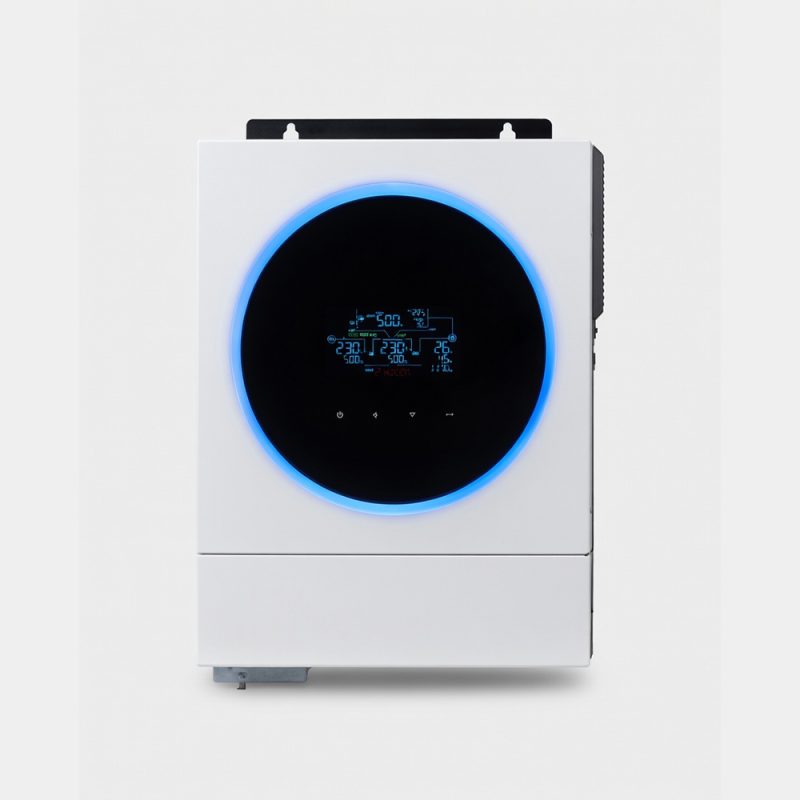
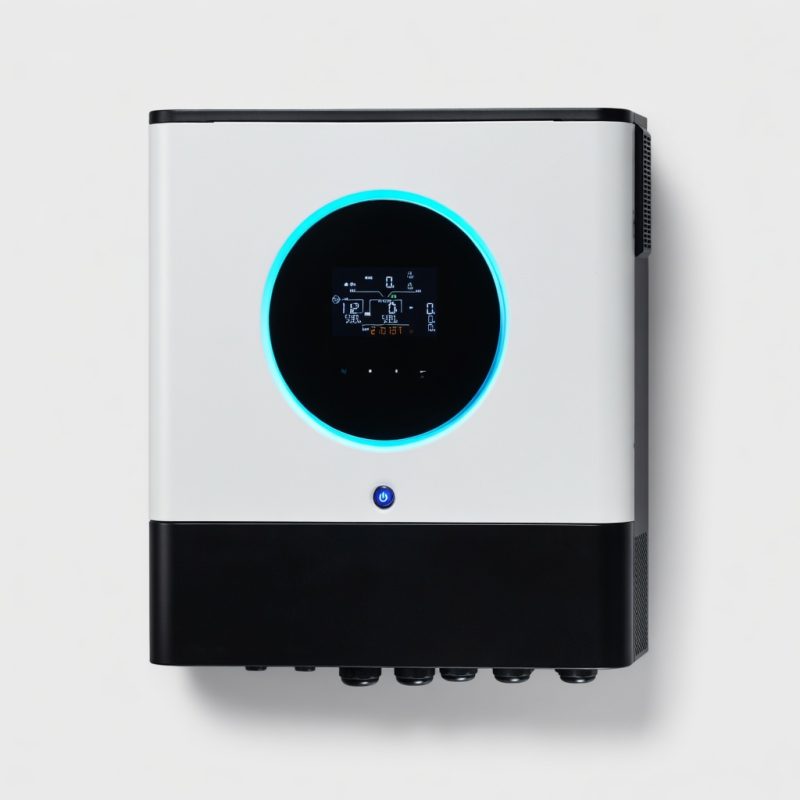
Axpert VM II 2.5kW 24V Hybrid Solar Inverter for Solar Installers and Homes
Original price was: ₦441,335.00.₦431,335.00Current price is: ₦431,335.00.Axpert VM IV TWIN 4KW 24V Off-Grid Solar Inverter for Solar Installers and Homes
Original price was: ₦669,302.00.₦659,302.00Current price is: ₦659,302.00.Axpert VM II 5KW 48V Solar Inverter for Solar Installers and Homes
Original price was: ₦581,577.00.₦571,577.00Current price is: ₦571,577.00.Megarevo 5kWh 48V Hybrid Solar Inverter for Solar Installers and Home Systems
Original price was: ₦945,642.00.₦935,642.00Current price is: ₦935,642.00.Axpert VM II Elite 6KW 48V Off-Grid Solar Inverter (Single-Phase) for Solar Installers
Original price was: ₦819,837.00.₦809,837.00Current price is: ₦809,837.00.Megarevo 10KW 48V Hybrid Solar Inverter for Solar Installers and Home Systems
Original price was: ₦2,517,786.00.₦2,417,786.00Current price is: ₦2,417,786.00.Axpert MAX II TWIN 11KW 48V Off-Grid Solar Inverter (Single-Phase) for Solar Installers
Original price was: ₦1,810,641.00.₦1,710,641.00Current price is: ₦1,710,641.00.Megarevo 15KW Three-Phase Hybrid Solar Inverter for Solar Installers, Homes and Businesses
Original price was: ₦3,929,172.00.₦3,829,172.00Current price is: ₦3,829,172.00.InfiniSolar WP Elite 15KW Three-Phase Hybrid Solar Inverter for Commercial Solar Systems
Original price was: ₦5,605,623.00.₦5,505,623.00Current price is: ₦5,505,623.00.InfiniSolar WP II 30KW Three-Phase Hybrid Solar Inverter for Commercial and Industrial Solar Systems
Original price was: ₦7,350,724.00.₦7,250,724.00Current price is: ₦7,250,724.00.





9 Olaiya Street, Oregun, Ikeja, Lagos, Nigeria | Facebook | Instangram | Home




Very informative and easy to understand. This guide clearly explains everything you need to know before installing solar panels in Nigeria. Highly recommended!
A must-read for anyone planning to go solar. The tips on energy audit and choosing the right installer are very helpful and practical.
This article saved me from making costly mistakes. The step-by-step advice makes solar installation much easier to plan.
Well-written and detailed guide. I like how it covers real factors like cost, roof condition, and battery options. Great resource for beginners.