News
MTerra Solar Project 2026: Solar Achieves Baseload Power for the First Time


Introduction
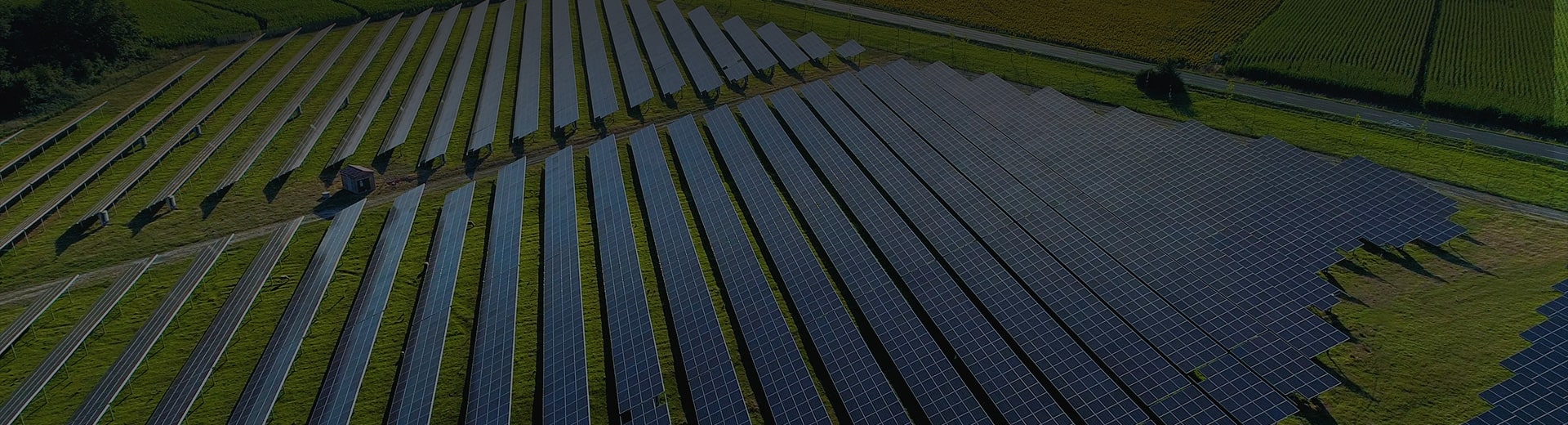
In a landmark moment for the global energy transition, the MTerra Solar mega-project in the Philippines has reached grid synchronization as of February 2026. With an unprecedented combination of 3.5 gigawatts (GW) of solar capacity and 4.5 gigawatt-hours (GWh) of battery storage, the project is now recognized as the largest integrated solar-plus-storage facility in the world.
This development signals a major shift in how solar energy is perceived. For decades, solar has been criticized for intermittency. MTerra challenges that narrative by delivering firm, stable electricity to the Luzon grid, traditionally the domain of coal and other fossil fuels.
A New Era: Solar as Baseload Power
Historically, baseload power has been provided by coal, gas, and nuclear plants due to their ability to deliver continuous electricity. Solar, by contrast, has been seen as variable and dependent on sunlight.
The MTerra project changes that equation. By pairing massive solar generation with industrial-scale battery storage, it ensures consistent power delivery even when the sun is not shining.
This breakthrough demonstrates that solar energy is no longer just a supplementary source. It is now capable of serving as a primary, reliable backbone for national grids.
Project Breakdown: What Makes MTerra Unique
The scale and design of the MTerra Solar project set it apart from previous renewable installations:
- 3.5 GW Solar Capacity: Equivalent to powering millions of homes
- 4.5 GWh Battery Storage: Enables energy dispatch during peak demand and nighttime
- Grid Synchronization: Successfully integrated into the Luzon grid
- Firm Power Delivery: Provides consistent electricity similar to fossil fuel plants
This integrated approach ensures that energy supply matches demand in real time, a critical requirement for grid stability.
Why This Matters Globally
The implications of MTerra extend far beyond the Philippines.
1. Proof That Solar Can Replace Coal
The project provides real-world evidence that solar energy, when combined with storage, can replace coal-fired baseload plants without compromising reliability.
2. Acceleration of Renewable Investments
Governments and private investors are likely to increase funding for large-scale solar-plus-storage projects following this success.
3. Energy Security and Independence
Countries can reduce dependence on imported fossil fuels by investing in similar infrastructure.
4. Climate Impact
Replacing coal with solar baseload systems significantly reduces carbon emissions, supporting global climate targets.
Implications for Nigeria’s Energy Sector
For Nigeria, where power supply remains inconsistent, the MTerra model presents a compelling blueprint.
As a cornerstone reference, businesses and homeowners can explore scalable solar solutions through Top Solar Energy Company in Nigeria to reduce reliance on diesel generators and unstable grid supply.
Adopting large-scale solar-plus-storage systems could:
- Stabilize electricity supply nationwide
- Reduce fuel import costs
- Support industrial growth
- Improve energy access in underserved regions
Internal Insights: Related Solar Innovations
The MTerra breakthrough aligns with several other emerging trends in solar technology:
- Perovskite advancements: See Breaking the Efficiency Frontier: Perovskite-Silicon Tandem Cells
- Weather-resilient systems: See All-Weather Energy: Solar Panels That Harvest Rain
- Policy shifts: See The End of “Ultra-Cheap” Solar: China’s Policy Shift
- Urban adoption trends: See Urban Decentralization: 2026 is the “Year of the Renter”
- Land optimization: See Land-Use Innovation: The Agrivoltaics Boom
- Smart grids: See Digital Infrastructure: AI-Managed “Virtual Power Plants”
For localized insights, also explore:
- Best Solar Energy Company in Ikeja Lagos (2026 Review)
- Cost of Solar Installation in Ikeja Lagos (2026 Price Guide)
- Top 10 Solar Installers in Ikeja Lagos (Compared)
- How to Choose a Solar Company in Ikeja (Avoid Scams)
- Solar Installation Cost for 2 Bedroom Flat in Ikeja
Challenges and Considerations
Despite its success, replicating the MTerra model globally comes with challenges:
- High upfront capital investment
- Land availability for large solar farms
- Battery supply chain constraints
- Grid infrastructure upgrades required
However, as technology advances and costs decline, these barriers are expected to reduce significantly.
Conclusion
The MTerra Solar project marks a turning point in the evolution of renewable energy. By delivering firm, baseload power through solar and battery integration, it dismantles one of the biggest limitations of solar energy.
This development is not just a milestone, it is a blueprint for the future of electricity generation. For countries like Nigeria, the opportunity to adopt and adapt this model could redefine energy reliability, affordability, and sustainability.
Shop new arrivals
Axpert VM II 2.5kW 24V Hybrid Solar Inverter for Solar Installers and Homes
Original price was: ₦441,335.00.₦431,335.00Current price is: ₦431,335.00.Axpert VM IV TWIN 4KW 24V Off-Grid Solar Inverter for Solar Installers and Homes
Original price was: ₦669,302.00.₦659,302.00Current price is: ₦659,302.00.Axpert VM II 5KW 48V Solar Inverter for Solar Installers and Homes
Original price was: ₦581,577.00.₦571,577.00Current price is: ₦571,577.00.Megarevo 5kWh 48V Hybrid Solar Inverter for Solar Installers and Home Systems
Original price was: ₦945,642.00.₦935,642.00Current price is: ₦935,642.00.Axpert VM II Elite 6KW 48V Off-Grid Solar Inverter (Single-Phase) for Solar Installers
Original price was: ₦819,837.00.₦809,837.00Current price is: ₦809,837.00.Megarevo 10KW 48V Hybrid Solar Inverter for Solar Installers and Home Systems
Original price was: ₦2,517,786.00.₦2,417,786.00Current price is: ₦2,417,786.00.Axpert MAX II TWIN 11KW 48V Off-Grid Solar Inverter (Single-Phase) for Solar Installers
Original price was: ₦1,810,641.00.₦1,710,641.00Current price is: ₦1,710,641.00.Megarevo 15KW Three-Phase Hybrid Solar Inverter for Solar Installers, Homes and Businesses
Original price was: ₦3,929,172.00.₦3,829,172.00Current price is: ₦3,829,172.00.InfiniSolar WP Elite 15KW Three-Phase Hybrid Solar Inverter for Commercial Solar Systems
Original price was: ₦5,605,623.00.₦5,505,623.00Current price is: ₦5,505,623.00.InfiniSolar WP II 30KW Three-Phase Hybrid Solar Inverter for Commercial and Industrial Solar Systems
Original price was: ₦7,350,724.00.₦7,250,724.00Current price is: ₦7,250,724.00.





9 Olaiya Street, Oregun, Ikeja, Lagos, Nigeria | Facebook | Instangram | Home