


News
Before You Install Solar: Key Steps to Save Cost and Avoid Mistakes


Lagos, Nigeria — 2026
As electricity costs continue to rise across Nigeria and other parts of Africa, more homeowners and businesses are turning to solar energy as a reliable alternative. However, industry experts warn that poor planning before installation can lead to unnecessary expenses, system inefficiencies, and long-term performance issues.
This report outlines the most critical steps to take before installing a solar system, helping you reduce costs and avoid common mistakes whether you are in Lagos, across Nigeria, or anywhere globally.
Rising Demand for Solar Across Nigeria and Africa
Solar adoption is accelerating in major cities like Lagos, Abuja, and Port Harcourt. Globally, the transition to renewable energy is also driving demand for residential and commercial solar systems.
In Nigeria, unreliable grid power and increasing diesel costs have made solar a practical long-term investment. However, experts emphasize that preparation is key to maximizing return on investment.
For homeowners considering solar, proper planning aligns closely with services like
Residential Solar Installation in Lagos, Nigeria
For businesses, preparation is even more critical due to system scale and energy demands, as seen in
Commercial & Industrial Solar System in Lagos
Step 1: Conduct an Accurate Energy Audit
Before installing solar, you must understand your energy consumption.
- Review your electricity bills (PHCN or generator usage)
- Identify peak usage periods
- List essential appliances
Without this step, many installations end up either oversized (wasting money) or undersized (causing power shortages).
For a deeper breakdown, see:
10 Things to Do Before Installing Solar Panels in Nigeria (2026 Guide)
Step 2: Assess Your Property and Roof Condition
Your building structure plays a major role in system performance.
Key checks include:
- Roof strength and durability
- Available installation space
- Sun exposure and shading
- Orientation (south-facing performs best globally)
In Lagos, buildings in areas like Ikoyi, Lekki, and Victoria Island often have better solar exposure due to reduced shading.
Related guide:
How to Prepare Your Home for Solar Installation in Lagos (Expert Guide)
Step 3: Choose the Right System Size and Components
Selecting the wrong components is one of the most expensive mistakes.
You need to determine:
- Inverter capacity (e.g., 3kVA, 5kVA, 10kVA)
- Battery storage requirements
- Solar panel wattage and efficiency
Globally, lithium batteries are becoming standard due to longer lifespan and efficiency, especially in high-demand regions like Africa.
More insights here:
Pre-Solar Installation Checklist: What Every Homeowner Must Know
Step 4: Understand the True Cost of Solar Installation
Many buyers focus only on initial cost, ignoring long-term value.
Key cost factors include:
- Equipment quality
- Installation complexity
- Battery capacity
- Maintenance requirements
A properly installed system reduces diesel and electricity costs significantly over time.
For a full breakdown, read:
Solar Installation Preparation Guide: What to Check Before You Go Solar
Step 5: Avoid Common Solar Installation Mistakes
Industry reports highlight recurring issues across Nigeria and emerging markets:
- Choosing installers based on price alone
- Ignoring warranties and after-sales support
- Poor wiring and system design
- Lack of professional load assessment
These mistakes often lead to system failure, increased costs, and safety risks.
Global Perspective: Why Preparation Matters
Across Europe, North America, and Asia, solar installation standards emphasize pre-installation audits and compliance checks.
Nigeria and other African markets are rapidly catching up, but gaps still exist in awareness and execution. Proper planning ensures your system meets global efficiency standards while adapting to local conditions.
Final Analysis: Preparation Determines Performance
Solar energy is not just a purchase; it is an investment. Whether for residential or commercial use, the success of your system depends largely on what you do before installation.
By conducting an energy audit, assessing your property, choosing the right components, and working with experienced professionals, you can significantly reduce costs and avoid costly mistakes.
Conclusion
As solar adoption continues to grow in Lagos, Nigeria, and across Africa, informed decision-making will separate successful installations from failed investments.
Taking the right steps before installing solar ensures:
- Lower long-term costs
- Higher system efficiency
- Reliable power supply
- Better return on investment
For tailored solutions, always consult trusted providers with proven experience in both residential and commercial solar systems.
Shop new arrivals
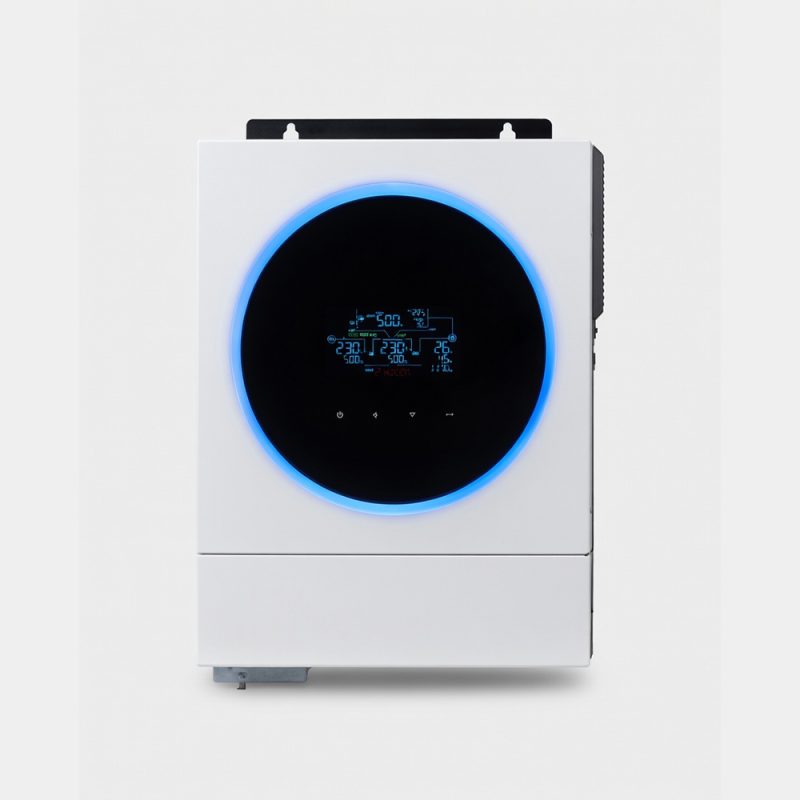
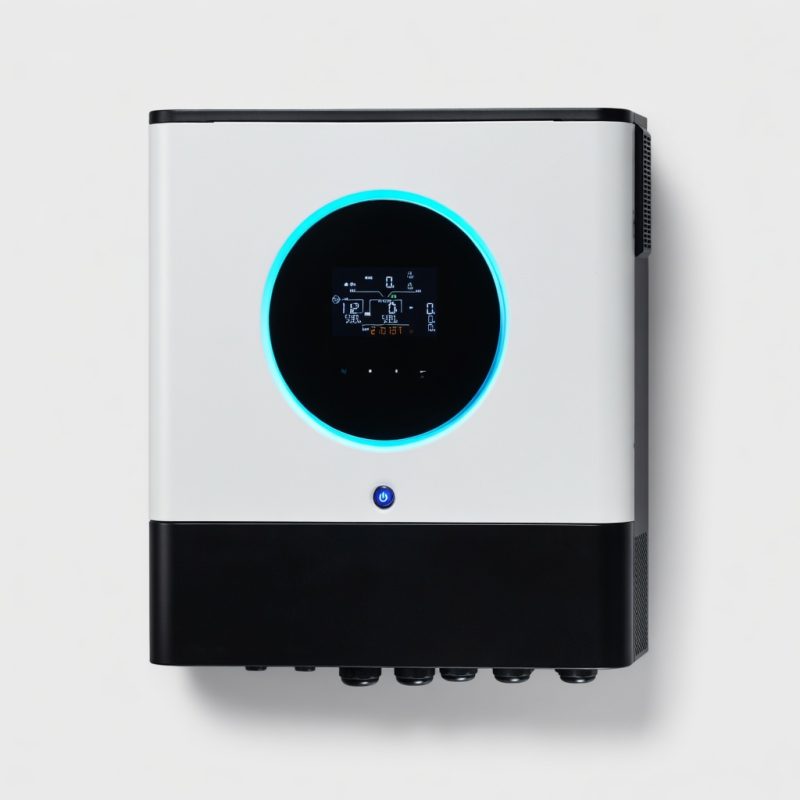
Axpert VM II 2.5kW 24V Hybrid Solar Inverter for Solar Installers and Homes
Original price was: ₦441,335.00.₦431,335.00Current price is: ₦431,335.00.Axpert VM IV TWIN 4KW 24V Off-Grid Solar Inverter for Solar Installers and Homes
Original price was: ₦669,302.00.₦659,302.00Current price is: ₦659,302.00.Axpert VM II 5KW 48V Solar Inverter for Solar Installers and Homes
Original price was: ₦581,577.00.₦571,577.00Current price is: ₦571,577.00.Megarevo 5kWh 48V Hybrid Solar Inverter for Solar Installers and Home Systems
Original price was: ₦945,642.00.₦935,642.00Current price is: ₦935,642.00.Axpert VM II Elite 6KW 48V Off-Grid Solar Inverter (Single-Phase) for Solar Installers
Original price was: ₦819,837.00.₦809,837.00Current price is: ₦809,837.00.Megarevo 10KW 48V Hybrid Solar Inverter for Solar Installers and Home Systems
Original price was: ₦2,517,786.00.₦2,417,786.00Current price is: ₦2,417,786.00.Axpert MAX II TWIN 11KW 48V Off-Grid Solar Inverter (Single-Phase) for Solar Installers
Original price was: ₦1,810,641.00.₦1,710,641.00Current price is: ₦1,710,641.00.Megarevo 15KW Three-Phase Hybrid Solar Inverter for Solar Installers, Homes and Businesses
Original price was: ₦3,929,172.00.₦3,829,172.00Current price is: ₦3,829,172.00.InfiniSolar WP Elite 15KW Three-Phase Hybrid Solar Inverter for Commercial Solar Systems
Original price was: ₦5,605,623.00.₦5,505,623.00Current price is: ₦5,505,623.00.InfiniSolar WP II 30KW Three-Phase Hybrid Solar Inverter for Commercial and Industrial Solar Systems
Original price was: ₦7,350,724.00.₦7,250,724.00Current price is: ₦7,250,724.00.





9 Olaiya Street, Oregun, Ikeja, Lagos, Nigeria | Facebook | Instangram | Home




A must-read before installing solar in Nigeria. The guide is simple, informative, and straight to the point. It helped me understand how to plan my system properly.
Great content! I love how it covers everything from reducing energy usage to selecting quality batteries and inverters. Very useful for beginners.