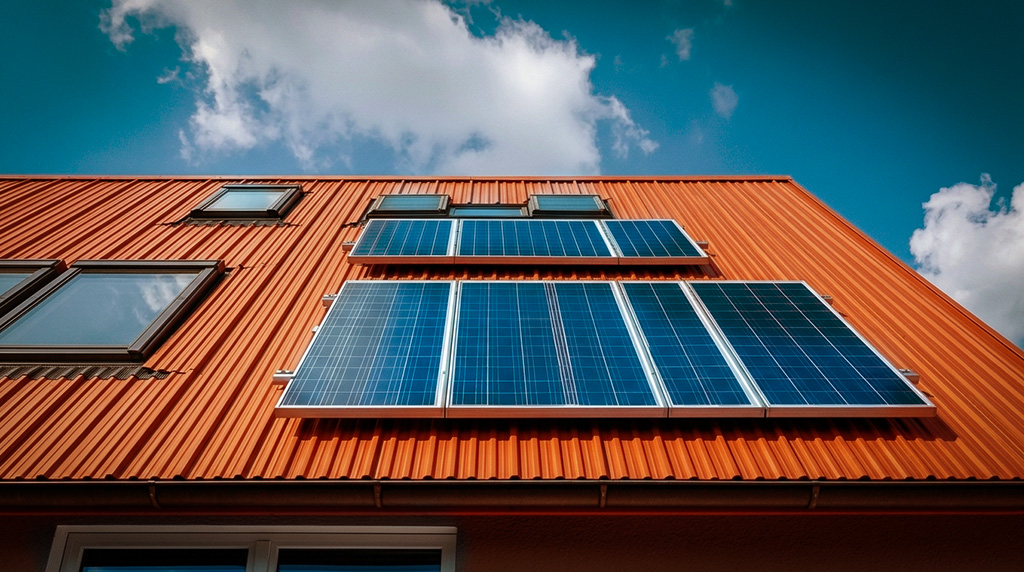
News
Agrivoltaics Boom 2026: How Solar Farming Is Solving the Food vs. Energy Crisis


The global energy transition has long faced a critical question: should land be used for food production or clean energy generation? In 2026, that debate is rapidly fading. A new wave of innovation known as agrivoltaics is proving that land can do both—efficiently and profitably.
According to industry data, the agrivoltaics market surpassed 18.4 GW in installed capacity in 2025, marking a turning point in how solar infrastructure is deployed worldwide.
This breakthrough is not just technological. It represents a fundamental shift in land-use strategy, combining agriculture and solar energy into a single, optimized system.
What Is Agrivoltaics?

Agrivoltaics refers to the dual use of land for both solar power generation and agriculture. Instead of dedicating large areas exclusively to solar farms, panels are installed in ways that allow crops to grow underneath or alongside them.
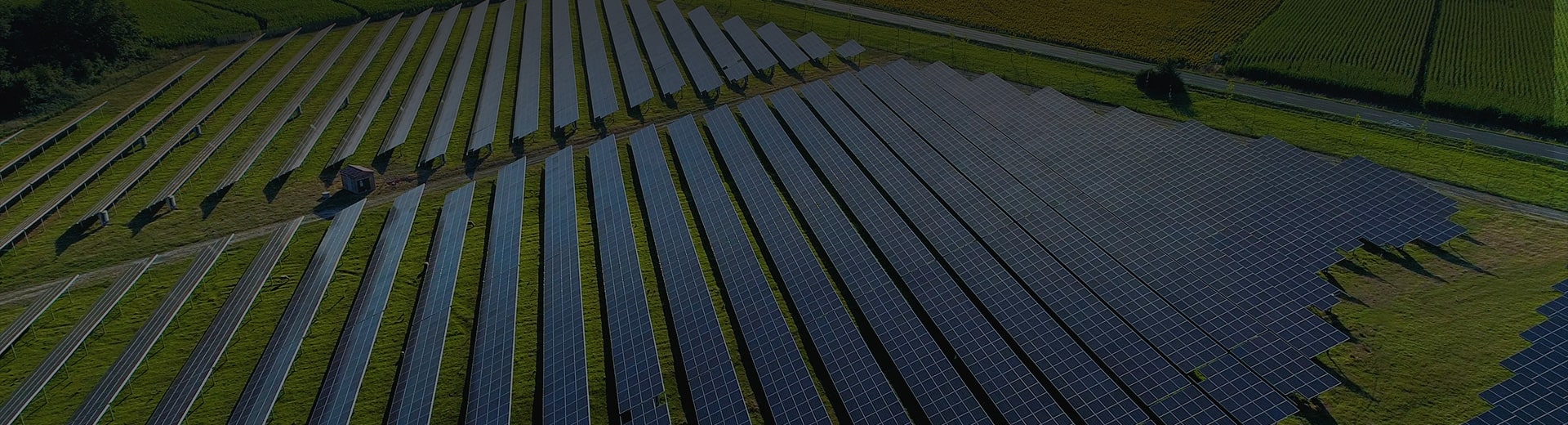
Modern systems now use vertical bifacial panels, which capture sunlight from both sides while minimizing shading on crops. This design allows farmers to maintain productivity while generating electricity on the same land.
Italy Leads the Global Expansion
Europe has taken a leading role in agrivoltaic adoption, with Italy at the forefront.
The Italian government launched a €1.7 billion national funding program to accelerate agrivoltaic deployment. This initiative supports farmers, solar developers, and research institutions working together to scale dual-use systems.
The goal is clear: increase renewable energy capacity without sacrificing agricultural output.
New Data: Higher Crop Yields Under Solar Panels
Recent 2026 field data has delivered a surprising result. Agrivoltaics does not just preserve crop yields, it can improve them.
For heat-sensitive crops such as strawberries and chili peppers, solar panels create a protective microclimate. This environment reduces excessive sunlight exposure and lowers soil moisture loss.
The results include:
- Up to 17% increase in crop yields
- Reduced water evaporation
- Improved soil moisture retention
- Lower heat stress on plants
This finding is especially important for regions facing rising temperatures and water scarcity.
Why Agrivoltaics Matters for Nigeria
Nigeria is uniquely positioned to benefit from agrivoltaics. With abundant sunlight and a strong agricultural base, the country can adopt dual-use systems to address both energy shortages and food security challenges.
For businesses and homeowners exploring solar solutions, working with a trusted provider like PVPRO Nigeria ensures access to modern technologies and scalable systems.
Agrivoltaics also aligns with broader national goals:
- Expanding renewable energy capacity
- Supporting rural farmers
- Reducing dependence on diesel generators
- Improving climate resilience
How Agrivoltaics Fits Into the Future of Solar
The rise of agrivoltaics is part of a larger transformation in the solar industry. Other key innovations are shaping the market in parallel.
You can explore these developments in our related reports:
- Breaking the Efficiency Frontier: Perovskite-Silicon Tandem Cells
- All-Weather Energy: Solar Panels That Harvest Rain
- The End of “Ultra-Cheap” Solar: China’s Policy Shift
- Urban Decentralization: 2026 is the “Year of the Renter”
- Moving Toward Baseload: The MTerra Solar Mega-Project
- Digital Infrastructure: AI-Managed “Virtual Power Plants”
For localized insights, also read:
- Best Solar Energy Company in Ikeja Lagos (2026 Review)
- Cost of Solar Installation in Ikeja Lagos (2026 Price Guide)
- Top 10 Solar Installers in Ikeja Lagos (Compared)
- How to Choose a Solar Company in Ikeja (Avoid Scams)
- Solar Installation Cost for 2 Bedroom Flat in Ikeja
Challenges to Watch
Despite its rapid growth, agrivoltaics still faces several challenges:
- Higher initial installation costs compared to traditional solar farms
- Need for specialized system design
- Limited awareness among farmers
- Policy and regulatory gaps in emerging markets
However, ongoing research and government incentives are expected to address these barriers over time.
Conclusion
The agrivoltaics boom of 2026 is redefining how land is used in the renewable energy era. By combining food production with solar power generation, this innovation eliminates the long-standing conflict between agriculture and energy.
With proven yield improvements, water conservation benefits, and strong global investment, agrivoltaics is set to become a cornerstone of sustainable development.
For countries like Nigeria, early adoption could unlock significant economic and environmental advantages.
Shop new arrivals
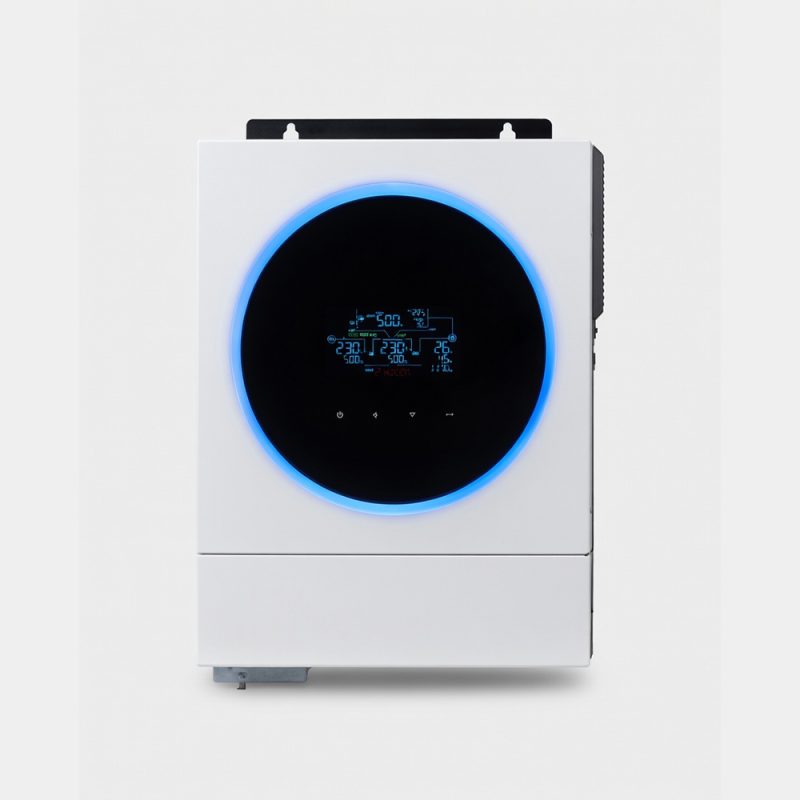
Axpert VM II 2.5kW 24V Hybrid Solar Inverter for Solar Installers and Homes
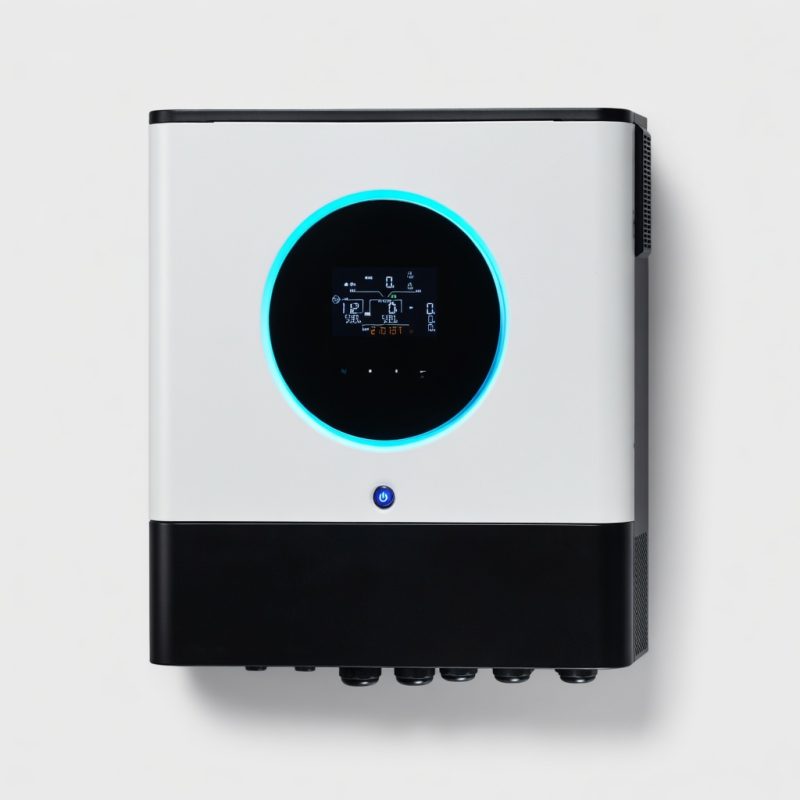
Original price was: ₦441,335.00.₦431,335.00Current price is: ₦431,335.00.Axpert VM IV TWIN 4KW 24V Off-Grid Solar Inverter for Solar Installers and Homes
Original price was: ₦669,302.00.₦659,302.00Current price is: ₦659,302.00.Axpert VM II 5KW 48V Solar Inverter for Solar Installers and Homes
Original price was: ₦581,577.00.₦571,577.00Current price is: ₦571,577.00.Megarevo 5kWh 48V Hybrid Solar Inverter for Solar Installers and Home Systems
Original price was: ₦945,642.00.₦935,642.00Current price is: ₦935,642.00.Axpert VM II Elite 6KW 48V Off-Grid Solar Inverter (Single-Phase) for Solar Installers
Original price was: ₦819,837.00.₦809,837.00Current price is: ₦809,837.00.Megarevo 10KW 48V Hybrid Solar Inverter for Solar Installers and Home Systems
Original price was: ₦2,517,786.00.₦2,417,786.00Current price is: ₦2,417,786.00.Axpert MAX II TWIN 11KW 48V Off-Grid Solar Inverter (Single-Phase) for Solar Installers
Original price was: ₦1,810,641.00.₦1,710,641.00Current price is: ₦1,710,641.00.Megarevo 15KW Three-Phase Hybrid Solar Inverter for Solar Installers, Homes and Businesses
Original price was: ₦3,929,172.00.₦3,829,172.00Current price is: ₦3,829,172.00.InfiniSolar WP Elite 15KW Three-Phase Hybrid Solar Inverter for Commercial Solar Systems
Original price was: ₦5,605,623.00.₦5,505,623.00Current price is: ₦5,505,623.00.InfiniSolar WP II 30KW Three-Phase Hybrid Solar Inverter for Commercial and Industrial Solar Systems
Original price was: ₦7,350,724.00.₦7,250,724.00Current price is: ₦7,250,724.00.





9 Olaiya Street, Oregun, Ikeja, Lagos, Nigeria | Facebook | Instangram | Home