


News
Nigeria’s Energy Shift: Solar Power Overtakes Grid Electricity as Costs Surge

Nigeria’s Energy Shift: Solar Power Overtakes Grid Electricity as Costs Surge
Nigeria’s energy landscape is changing fast. Solar power now costs less than electricity from the national grid. As a result, this shift marks a turning point for households and businesses across the country.
This transition is driven by rising grid tariffs and falling renewable energy costs. Already, it is shaping energy decisions in key commercial hubs like Lagos. Moreover, power reliability in these areas remains a major concern.
Rising Grid Costs Push Consumers to Alternatives
Electricity prices from Nigeria’s national grid have increased sharply in recent months. Currently, tariffs range between ₦220 and ₦270 per kilowatt-hour. This is more than double previous rates.
Because of this, many consumers in Lagos and other cities now struggle to afford grid power. In particular, small businesses face serious challenges. They depend on stable electricity to operate daily.
In addition, unreliable supply continues to weaken trust in the grid. Frequent outages force many users to rely on generators or alternative energy sources.
Solar Emerges as the Cheaper Option
In contrast, solar and wind energy now generate electricity at much lower costs. Estimates place prices between ₦85 and ₦140 per kilowatt-hour.
Therefore, this price gap has changed Nigeria’s “power math.” Solar energy is no longer just clean—it is also more affordable.
Experts describe this shift as “grid parity.” At this point, renewable energy competes directly with traditional electricity. Consequently, adoption is increasing across the country.
Operational Costs Favor Renewable Energy
Beyond installation, solar systems offer strong long-term savings. They require less ongoing spending compared to traditional power sources.
For example, gas-fired power plants spend between ₦120 billion and ₦150 billion each year on fuel. In comparison, a 100MW solar plant needs only ₦1.7 billion to ₦2.5 billion for maintenance.
Because of this, many Lagos-based businesses now see solar as a cost-saving solution. It also helps them manage rising inflation and energy expenses.
Lagos Businesses Lead the Transition
In Lagos, the shift to solar is becoming more visible each day. Businesses and homeowners are taking action.
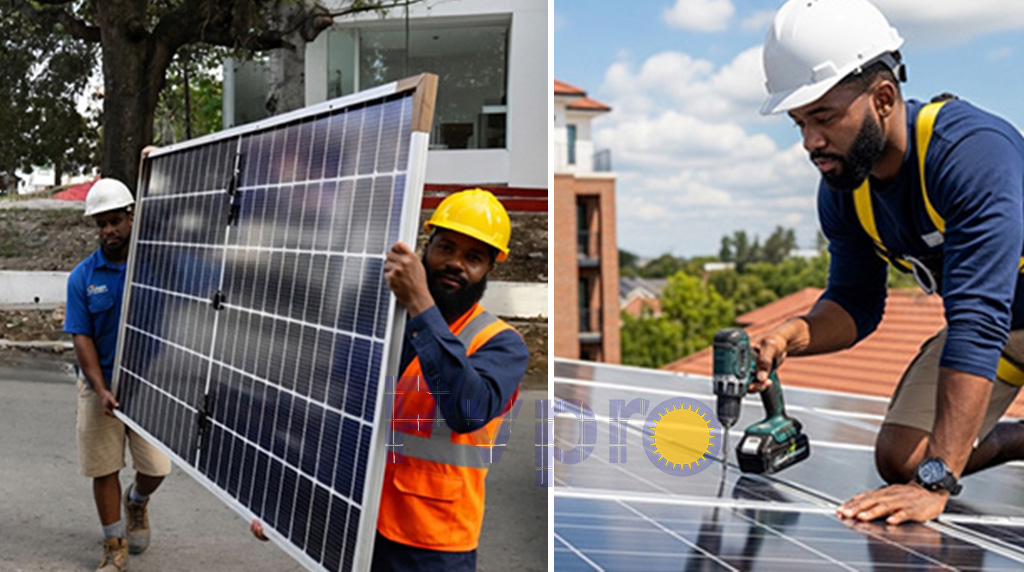
Retail shops, restaurants, and offices now install rooftop solar systems. Likewise, residential estates are adopting similar solutions.
They are driven by three main factors:
- High electricity tariffs
- Frequent grid disruptions
- Rising diesel costs
Together, these issues push more people toward decentralized energy solutions.
A Turning Point for Nigeria’s Power Sector
Nigeria’s electricity grid has struggled for years. It often fails to meet the needs of over 200 million people.
As a result, many households and businesses generate their own power. Most still rely on expensive and polluting diesel generators.
However, solar now offers a cheaper and cleaner alternative. This signals a major shift in how Nigeria produces and uses electricity.
Policy and Investment Implications
Solar energy’s cost advantage will likely shape future decisions. It will influence government policy, private investment, and consumer behavior.
To support this transition, experts recommend several key actions:
- Improve access to financing for solar systems
- Strengthen regulatory support
- Expand off-grid and mini-grid solutions
Without these steps, growth may slow despite strong demand.
Outlook
Energy costs continue to rise, while solar technology becomes cheaper. Because of this, solar power will play a central role in Nigeria’s energy future.
In cities like Lagos, demand remains high and grid reliability is uncertain. Therefore, solar is no longer optional. It is quickly becoming the default energy choice.
Shop new arrivals
Axpert VM II 2.5kW 24V Hybrid Solar Inverter for Solar Installers and Homes
Original price was: ₦441,335.00.₦431,335.00Current price is: ₦431,335.00.Axpert VM IV TWIN 4KW 24V Off-Grid Solar Inverter for Solar Installers and Homes
Original price was: ₦669,302.00.₦659,302.00Current price is: ₦659,302.00.Axpert VM II 5KW 48V Solar Inverter for Solar Installers and Homes
Original price was: ₦581,577.00.₦571,577.00Current price is: ₦571,577.00.Megarevo 5kWh 48V Hybrid Solar Inverter for Solar Installers and Home Systems
Original price was: ₦945,642.00.₦935,642.00Current price is: ₦935,642.00.Axpert VM II Elite 6KW 48V Off-Grid Solar Inverter (Single-Phase) for Solar Installers
Original price was: ₦819,837.00.₦809,837.00Current price is: ₦809,837.00.Megarevo 10KW 48V Hybrid Solar Inverter for Solar Installers and Home Systems
Original price was: ₦2,517,786.00.₦2,417,786.00Current price is: ₦2,417,786.00.Axpert MAX II TWIN 11KW 48V Off-Grid Solar Inverter (Single-Phase) for Solar Installers
Original price was: ₦1,810,641.00.₦1,710,641.00Current price is: ₦1,710,641.00.Megarevo 15KW Three-Phase Hybrid Solar Inverter for Solar Installers, Homes and Businesses
Original price was: ₦3,929,172.00.₦3,829,172.00Current price is: ₦3,829,172.00.InfiniSolar WP Elite 15KW Three-Phase Hybrid Solar Inverter for Commercial Solar Systems
Original price was: ₦5,605,623.00.₦5,505,623.00Current price is: ₦5,505,623.00.InfiniSolar WP II 30KW Three-Phase Hybrid Solar Inverter for Commercial and Industrial Solar Systems
Original price was: ₦7,350,724.00.₦7,250,724.00Current price is: ₦7,250,724.00.





9 Olaiya Street, Oregun, Ikeja, Lagos, Nigeria | Facebook | Instangram | Home