News
Why More African Hospitals Are Switching to Solar Energy in 2026


Introduction
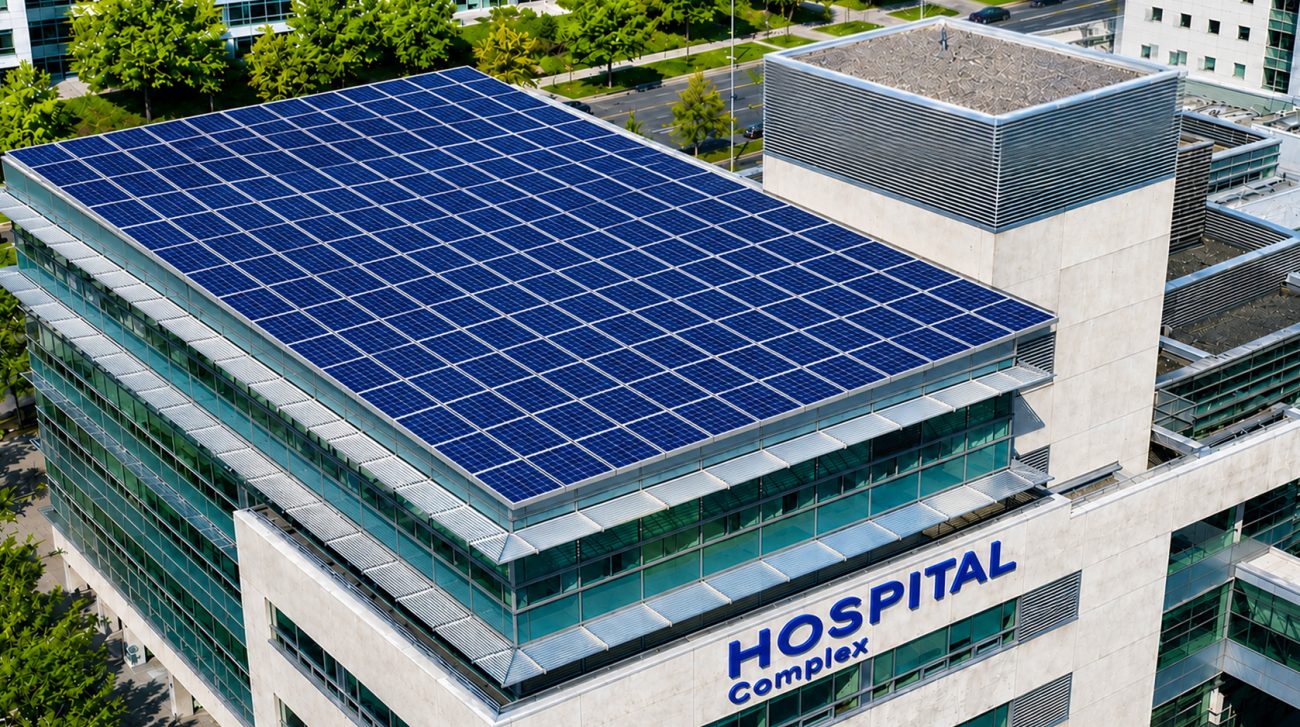
Across Africa, hospitals are facing increasing pressure from rising electricity costs, unreliable national grids, and expensive diesel generators. In 2026, many healthcare facilities are responding by investing in solar energy systems with battery storage.
The shift is no longer driven only by environmental concerns. Hospitals are choosing solar because it delivers dependable electricity for life-saving equipment, reduces operating expenses, and improves healthcare services. From Nigeria to Zimbabwe, Sudan, and Burundi, solar-powered hospitals are becoming a practical solution for modern healthcare.
Why Reliable Electricity Matters in Hospitals
Hospitals depend on uninterrupted electricity every minute of the day. A sudden power outage can affect:
- Intensive Care Units (ICUs)
- Operating theatres
- Emergency rooms
- Laboratory equipment
- Blood banks
- Vaccine refrigerators
- Neonatal care units
- Medical imaging systems
- Oxygen production equipment
When electricity fails, patient safety is immediately at risk. Diesel generators provide backup power, but fuel shortages, maintenance costs, and mechanical failures make them an expensive long-term solution.
Solar energy, combined with lithium battery storage, provides hospitals with reliable backup power while significantly reducing dependence on diesel.
1. Rising Diesel Costs Are Hurting Hospital Budgets
One of the biggest reasons African hospitals are switching to solar energy is the rising cost of diesel.
Many private hospitals spend thousands of dollars every month keeping generators running. These costs continue to increase because of:
- Fuel price fluctuations
- Generator servicing
- Oil replacement
- Engine repairs
- Generator replacement after years of heavy use
Instead of spending a large portion of their operating budget on fuel, hospitals can invest in solar systems that produce electricity for more than 25 years while reducing daily operating costs.
2. Better Patient Care Through Reliable Power
Healthcare cannot stop because electricity goes out.
Solar systems with battery storage keep essential departments operating during grid failures, including:
- Emergency surgeries
- Maternity wards
- Neonatal intensive care
- Vaccine cold storage
- Laboratory testing
- Medical record systems
UNESCO recently commissioned a 750 kW solar hybrid system at Mater Dei Hospital in Zimbabwe, providing dependable electricity for operating theatres, ICUs, laboratories, maternity wards, and vaccine storage while meeting the hospital’s average power demand.
3. Lower Operating Costs
Hospitals are businesses as well as healthcare providers.
Reducing electricity expenses allows administrators to invest more money in:
- Medical equipment
- Staff training
- Additional healthcare workers
- Hospital expansion
- Better patient services
Many hospitals discover that solar energy delivers an attractive return on investment because fuel savings accumulate every month. Industry analyses also show that hospitals can achieve strong long-term savings after switching to solar.
4. Battery Storage Makes Solar Reliable Day and Night
Modern hospital solar systems do much more than generate electricity during daylight hours.
Large lithium battery banks store excess solar energy generated during the day and supply electricity throughout the night or during blackouts.
This ensures:
- Continuous operations
- Stable voltage
- Reduced generator runtime
- Quiet hospital environments
- Lower fuel consumption
Hospitals can also integrate generators into hybrid systems for additional redundancy during extended periods of poor weather or unusually high demand.
5. Development Organizations Are Supporting Solar Hospitals
International organizations increasingly recognize reliable electricity as essential healthcare infrastructure.
Several major initiatives are helping hospitals across Africa transition to solar power.
Examples include:
- UNFPA’s solarization programme supporting hospitals in Sudan, particularly maternity facilities providing emergency obstetric and neonatal care.
- UNDP’s Solar for Health programme, which has equipped around 1,000 health facilities with solar systems across multiple countries since 2017.
- Zambia’s national effort to standardize solar-powered health facilities through government guidelines.
- Burundi’s expansion of solar-powered district hospitals through the Smart Facilities for Health initiative.
These investments demonstrate that dependable electricity is now viewed as a critical component of resilient healthcare systems.
6. Hospitals Are Reducing Their Carbon Footprint
Healthcare facilities consume significant amounts of electricity.
Replacing diesel generators with solar energy helps hospitals:
- Reduce greenhouse gas emissions
- Lower air pollution
- Minimize generator noise
- Improve working conditions
- Meet sustainability goals
Patients and healthcare workers also benefit from cleaner, quieter environments.
7. Solar Systems Improve Healthcare in Rural Communities
Many African hospitals operate in rural locations where grid electricity is unreliable or unavailable.
Solar energy enables these facilities to:
- Deliver babies safely at night
- Store vaccines at correct temperatures
- Perform laboratory diagnostics
- Operate communication systems
- Provide emergency care
UNDP estimates that one in four health facilities in sub-Saharan Africa has no electricity, while two in three facilities in low- and middle-income countries lack reliable energy services. Solar installations are helping close this critical gap.
Why Nigerian Hospitals Are Following the Same Trend
Nigeria experiences many of the same challenges affecting hospitals across Africa:
- Frequent power outages
- Rising electricity tariffs
- High diesel costs
- Increasing patient demand
- Growing healthcare infrastructure
Private hospitals in Lagos, Abuja, Port Harcourt, Kano, Ibadan, and other cities are increasingly evaluating solar power systems to reduce operating costs while improving service reliability.
For many hospitals, solar is no longer an alternative energy source—it is becoming an essential part of business continuity planning.
Is Solar Worth It for Hospitals?
For most hospitals, the answer is yes.
A professionally designed solar system can:
- Reduce electricity bills
- Lower diesel consumption
- Protect sensitive medical equipment
- Improve operational reliability
- Deliver long-term savings
- Enhance patient care
- Increase energy independence
The exact savings depend on the hospital’s energy consumption, available roof space, battery capacity, and system design.
Choosing the Right Solar Partner
Hospital solar projects require specialized engineering.
An experienced solar company should provide:
- Detailed energy audit
- Load assessment
- System design
- Battery sizing
- Installation
- Monitoring
- Preventive maintenance
- Long-term technical support
Healthcare facilities should prioritize quality equipment, certified installers, and systems designed specifically for mission-critical operations.
Frequently Asked Questions
Can a hospital run entirely on solar energy?
Yes. Many hospitals operate using hybrid solar systems that combine solar panels, lithium batteries, and backup generators to ensure uninterrupted power 24/7.
How much can hospitals save by switching to solar?
Savings vary depending on electricity usage, diesel consumption, and system size. Many hospitals reduce generator runtime significantly, leading to substantial long-term savings on fuel and maintenance.
Is solar reliable during cloudy weather?
Yes. Battery storage supplies power when solar production drops, and hybrid systems can automatically switch to backup generators if required.
How long do hospital solar systems last?
Solar panels typically last 25 years or more, while modern lithium batteries generally provide 10–15 years of service, depending on usage and maintenance.
Conclusion
The rapid growth of African hospitals switching to solar energy reflects a practical response to rising energy costs, unreliable grids, and the need for uninterrupted patient care. Across the continent, hospitals are proving that solar power is not just a sustainability initiative—it is a strategic investment in healthcare resilience.
As more governments, development organizations, and private healthcare providers embrace solar technology, hospitals can expect lower operating costs, improved energy security, and better outcomes for patients. For Nigerian healthcare facilities planning for the future, investing in solar energy in 2026 is becoming one of the smartest long-term decisions.
Request a Free Commercial Solar Assessment
If you’re ready to reduce diesel costs, lower electricity bills, and improve the efficiency of your dealership, now is the perfect time to explore solar energy.
Contact PVPRO Nigeria today to schedule a free commercial solar assessment. Our experts will evaluate your energy needs and recommend the ideal solar solution to help your dealership save money and enjoy reliable power for years to come.
9 Olaiya Street, Oregun, Ikeja, Lagos, Nigeria | Facebook | Instangram | Home