News
50kW Solar Inverter Problems in Nigeria (Why It Trips & How to Fix) – 2026 Update


Breaking: Rising 50kW Solar Inverter Failures Across Nigeria’s Commercial Sector
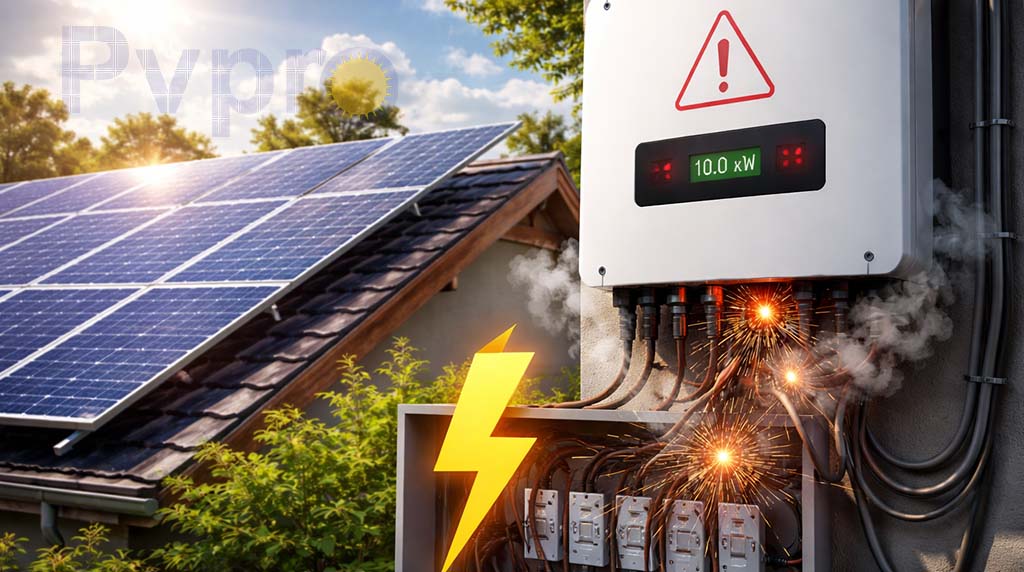
A growing number of businesses in Lagos, Abuja, and Port Harcourt are experiencing frequent tripping and shutdowns of 50kW solar inverters. Experts attribute this surge to improper system design, overload conditions, and unstable grid integration. As a result, many companies are facing operational disruptions.
Since Nigeria increasingly relies on solar energy due to unreliable grid supply, 50kW inverters—commonly installed in hotels, factories, estates, and large offices—have become essential infrastructure. Unfortunately, these failures are now affecting productivity and driving up costs. Therefore, understanding the causes and solutions is critical for businesses.
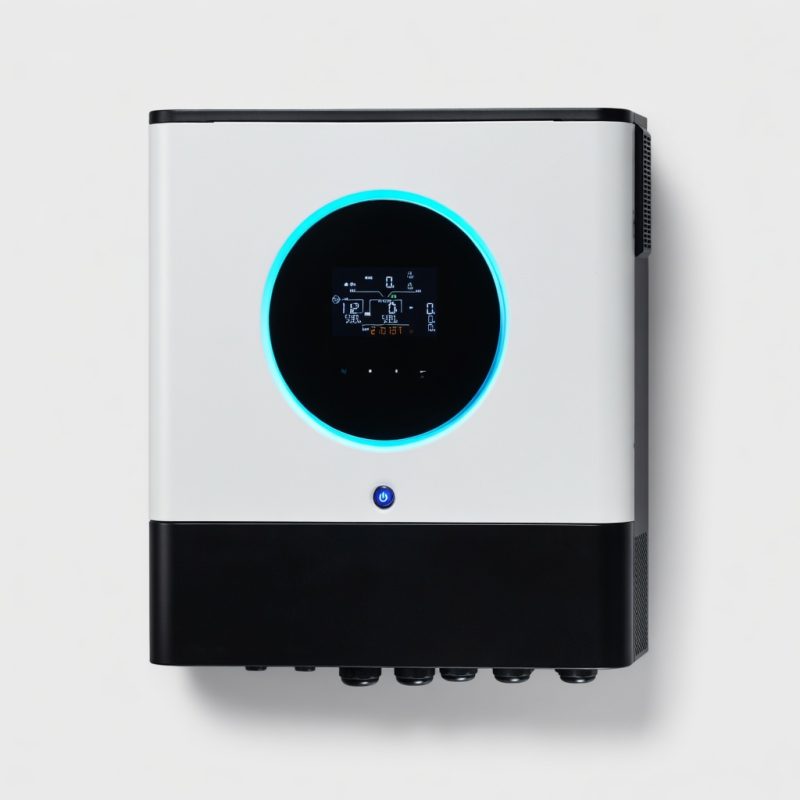
What Is a 50kW Solar Inverter System?
A 50kW solar inverter is a high-capacity power conversion system. It:
- Converts DC power from solar panels into usable AC electricity
- Manages loads, batteries, and grid input
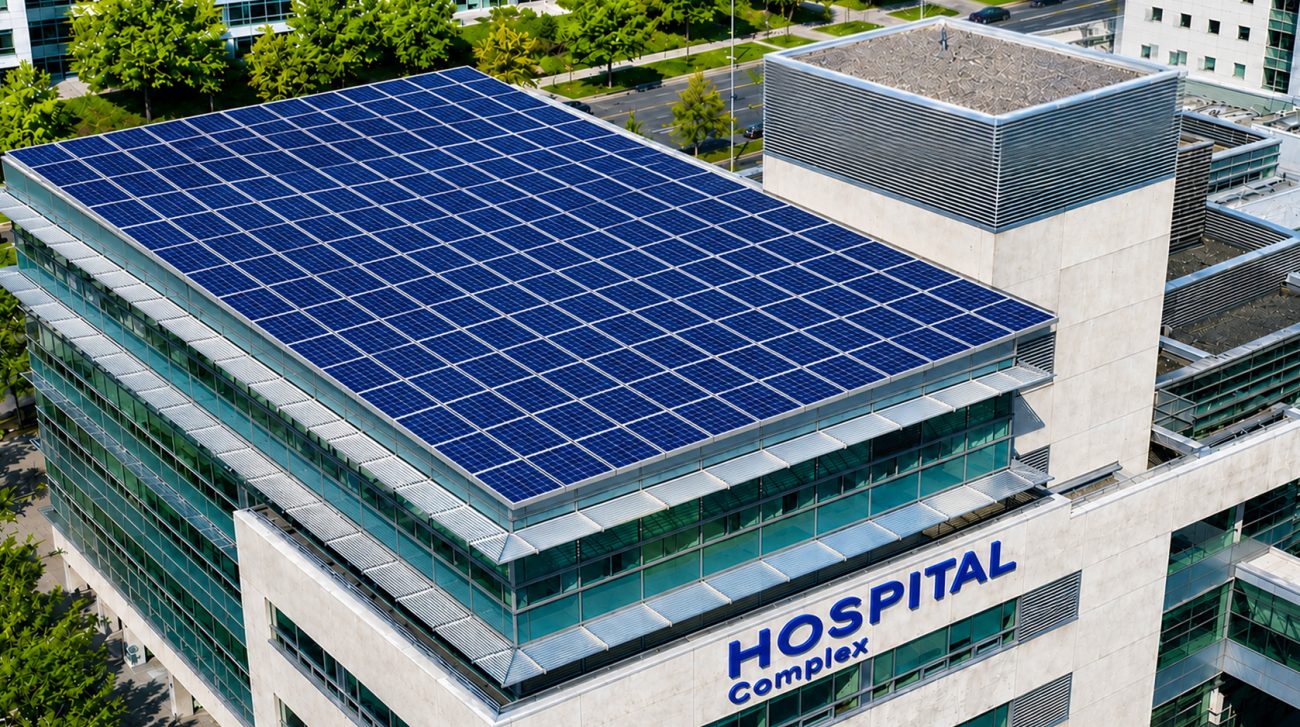
- Powers commercial buildings, industrial operations, large residential estates, hospitals, and hotels
Proper installation and maintenance are essential. Even small errors can trigger complete system shutdowns. Consequently, careful planning and monitoring are necessary to avoid downtime.
Top Reasons 50kW Solar Inverters Trip in Nigeria
1. Overload Conditions (Most Common Cause)
Businesses often expand operations without upgrading their solar capacity. This includes:
- Adding heavy equipment such as AC units, compressors, and ovens
- Simultaneous startup of multiple devices
- Poor load balancing
Impact: The inverter shuts down to protect internal components.
2. Battery Bank Issues
A properly sized and configured battery bank is critical for 50kW systems. Common problems involve:
- Undersized battery capacity
- Weak or aging batteries
- Incorrect wiring or configuration
Effect: Sudden voltage drops frequently cause inverter shutdowns.
3. Poor Installation Practices
Many failures are linked to improper installation. Typical faults include:
- Undersized cables
- Loose connections
- Incorrect earthing
As a result, overheating, voltage instability, and repeated trips occur.
4. Grid Fluctuations and NEPA Instability
Nigeria’s grid power is inconsistent, which affects solar inverters significantly. Voltage spikes, phase imbalances, and frequency instability often force the inverter to trip as a protective measure.
5. Inverter Configuration Errors
Even well-installed systems can fail due to incorrect settings. To prevent this, avoid:
- Wrong charging parameters
- Improper load priority
- Incorrect AC input range
6. Overheating and Poor Ventilation
Industrial inverters generate substantial heat. Poor airflow, high ambient temperatures (common in Lagos), and dust accumulation can all contribute. Consequently, thermal shutdowns are triggered to prevent permanent damage.
7. Low-Quality or Counterfeit Components
The Nigerian market is flooded with substandard solar products. These can cause:
- Inconsistent performance
- Early failure
- Frequent tripping
Thus, always source inverters from verified suppliers.
How to Fix 50kW Solar Inverter Tripping Issues
Step 1: Conduct a Load Audit
- Calculate total load versus inverter capacity
- Remove non-essential loads
- Stagger equipment startup
Step 2: Upgrade Battery Bank
- Use high-quality lithium or tubular batteries
- Match batteries to system requirements
- Maintain correct voltage configuration
Step 3: Correct Installation Errors
- Hire certified professionals to upgrade cables, fix grounding issues, and tighten connections
Step 4: Stabilize Grid Input
- Install voltage stabilizers, surge protectors, or automatic transfer switches
Step 5: Reconfigure Inverter Settings
- Set correct charging voltage, AC input limits, and load priority modes
Step 6: Improve Cooling System
- Place in ventilated areas
- Add cooling fans if necessary
- Schedule regular cleaning
Cost Implications of Ignoring 50kW Solar Inverter Problems (2026)
Neglecting these issues can lead to:
- Inverter damage: ₦2M – ₦8M repair or replacement
- Battery failure: ₦1M – ₦5M
- Business downtime losses
- Increased diesel generator dependency
Preventive Measures for Long-Term Performance
To maintain system reliability:
- Schedule quarterly maintenance
- Use only verified solar installers
- Monitor system performance daily
- Avoid overloading beyond 80% of capacity
Expert Insight: Why This Matters in 2026
With rising fuel prices and an unreliable grid, solar systems have become mission-critical. Unfortunately, poor system design and substandard installation practices are causing widespread failures. Even high-capacity 50kW inverters will malfunction without proper planning and maintenance. Therefore, professional guidance is essential for long-term performance.
Conclusion
The surge in 50kW solar inverter problems in Nigeria is not accidental. It stems from:
- Overload conditions
- Poor installation
- Weak batteries
- Unstable grid conditions
Businesses must adopt professional system design, regular maintenance, and proper load management. Otherwise, operational costs will increase, and equipment may sustain irreversible damage.
Shop new arrivals
Axpert VM II 2.5kW 24V Hybrid Solar Inverter for Solar Installers and Homes
Original price was: ₦441,335.00.₦431,335.00Current price is: ₦431,335.00.Axpert VM IV TWIN 4KW 24V Off-Grid Solar Inverter for Solar Installers and Homes
Original price was: ₦669,302.00.₦659,302.00Current price is: ₦659,302.00.Axpert VM II 5KW 48V Solar Inverter for Solar Installers and Homes
Original price was: ₦581,577.00.₦571,577.00Current price is: ₦571,577.00.Megarevo 5kWh 48V Hybrid Solar Inverter for Solar Installers and Home Systems
Original price was: ₦945,642.00.₦935,642.00Current price is: ₦935,642.00.Axpert VM II Elite 6KW 48V Off-Grid Solar Inverter (Single-Phase) for Solar Installers
Original price was: ₦819,837.00.₦809,837.00Current price is: ₦809,837.00.Megarevo 10KW 48V Hybrid Solar Inverter for Solar Installers and Home Systems
Original price was: ₦2,517,786.00.₦2,417,786.00Current price is: ₦2,417,786.00.Axpert MAX II TWIN 11KW 48V Off-Grid Solar Inverter (Single-Phase) for Solar Installers
Original price was: ₦1,810,641.00.₦1,710,641.00Current price is: ₦1,710,641.00.Megarevo 15KW Three-Phase Hybrid Solar Inverter for Solar Installers, Homes and Businesses
Original price was: ₦3,929,172.00.₦3,829,172.00Current price is: ₦3,829,172.00.InfiniSolar WP Elite 15KW Three-Phase Hybrid Solar Inverter for Commercial Solar Systems
Original price was: ₦5,605,623.00.₦5,505,623.00Current price is: ₦5,505,623.00.InfiniSolar WP II 30KW Three-Phase Hybrid Solar Inverter for Commercial and Industrial Solar Systems
Original price was: ₦7,350,724.00.₦7,250,724.00Current price is: ₦7,250,724.00.





9 Olaiya Street, Oregun, Ikeja, Lagos, Nigeria | Facebook | Instangram | Home