News
Why Your 2.5kW Inverter Keeps Tripping in Nigeria (Fixes for Small Homes) – 2026 Update

Lagos Energy Report 2026: Rising Complaints Over 2.5kW Inverter Tripping
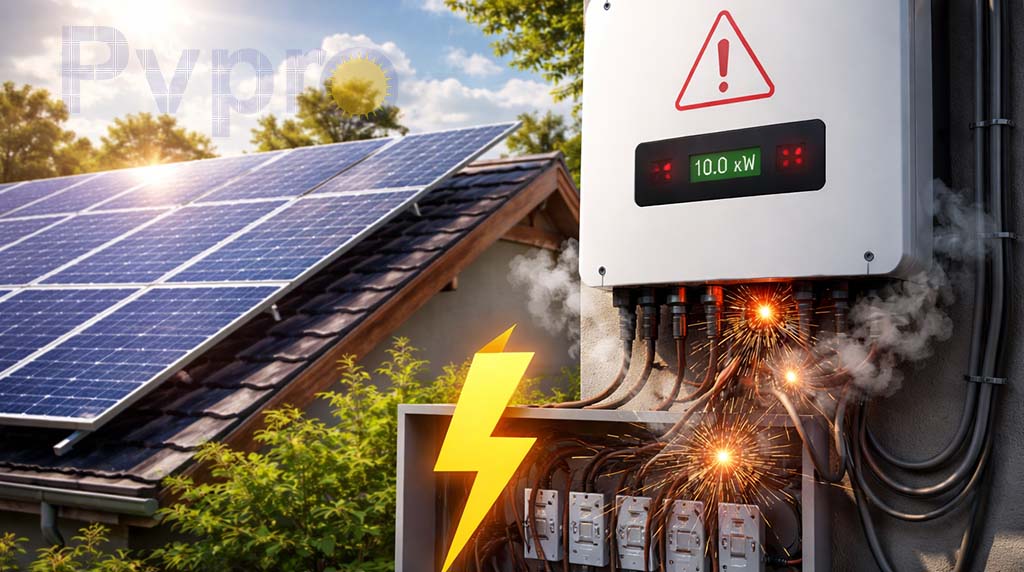
In 2026, homeowners across Lagos and other parts of Nigeria are reporting a surge in inverter-related issues, particularly with 2.5kW systems designed for small apartments and shops.
Installers and solar vendors confirm that frequent inverter tripping is now one of the most common complaints among entry-level solar users. While these systems remain affordable and efficient, improper usage and system sizing are leading to repeated shutdowns.
This report explains the real causes and practical fixes.
What It Means When Your 2.5kW Inverter Keeps Tripping
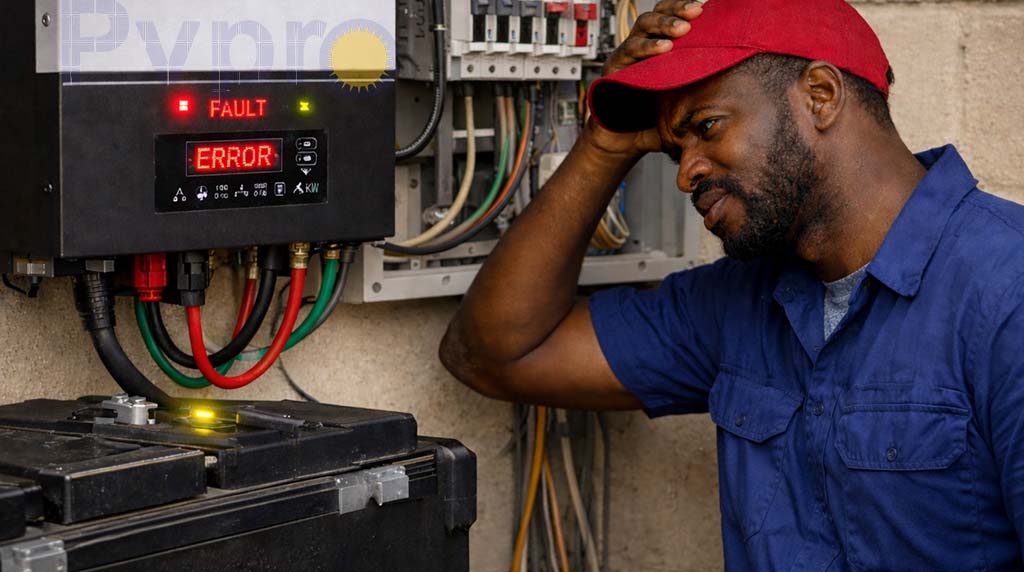
When your inverter trips, it automatically shuts down to protect itself from damage. This is not a fault—it is a safety feature.
However, repeated tripping indicates a deeper issue within your power setup.
Top Reasons Your 2.5kW Inverter Is Tripping in Nigeria
1. System Overload (Most Common in Lagos Homes)
A 2.5kW inverter can typically carry:
- Lights
- Fans
- TV
- Decoder
- Small fridge
It cannot efficiently power:
- Air conditioners
- Electric irons
- Water heaters
- Pumping machines
When load demand exceeds capacity, the inverter shuts down instantly.
Fix:
Reduce your load or upgrade your system.
See our full guide on [Choosing the Right Inverter Size in Nigeria]
2. Low Battery Voltage
Battery issues are a major cause of inverter tripping, especially in areas with unstable grid supply.
Common triggers:
- Weak batteries
- Poor charging
- Old battery banks
Fix:
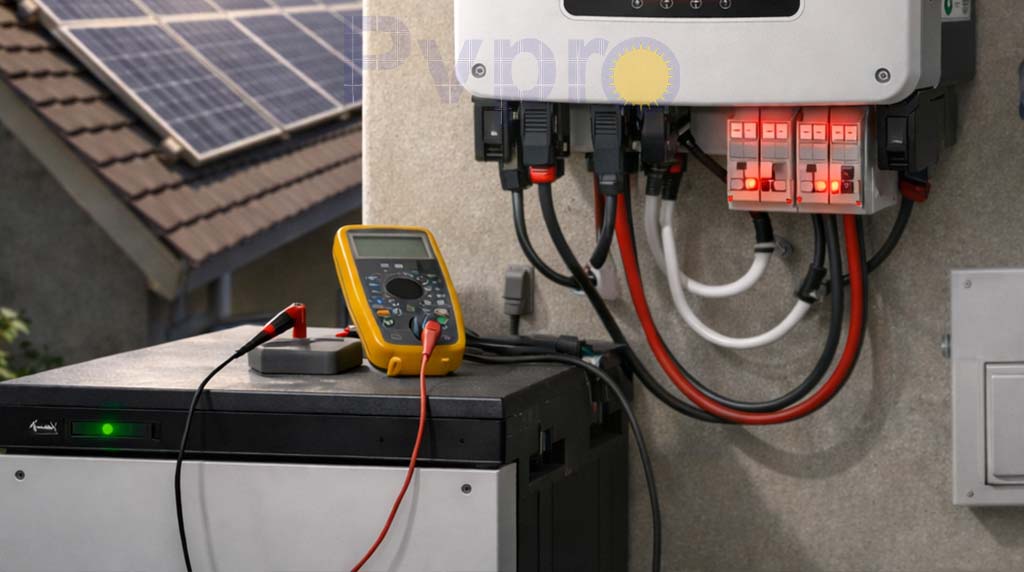
- Check battery voltage regularly
- Replace weak batteries
- Ensure proper charging settings
Read [How to Maintain Your Solar Batteries in Nigeria]
3. Poor Wiring or Installation Errors
In many Lagos installations, poor wiring is still a major issue due to unqualified installers.
Common problems include:
- Loose connections
- Undersized cables
- Wrong polarity
Fix:
Always use a certified solar installer and proper cable sizing.
Learn [How to Identify a Professional Solar Installer in Lagos]
4. Short Circuit or Faulty Appliances
A faulty appliance can trigger immediate inverter shutdown.
Watch out for:
- Burning smell
- Spark from sockets
- Sudden trips when a device is plugged in
Fix:
Disconnect appliances one by one to identify the faulty device.
5. Overheating (Common in Nigerian Weather Conditions)
Heat significantly affects inverter performance.
Causes:
- Poor ventilation
- Direct sunlight exposure
- Dust buildup
Fix:
- Install inverter in a cool, ventilated space
- Avoid enclosed cabinets
- Clean regularly
6. Inverter Settings Misconfiguration
Incorrect settings can cause unnecessary tripping.
Examples:
- Wrong battery type selected
- Incorrect voltage cut-off
- Load prioritization errors
Fix:
Reset to factory settings or consult your installer.
2026 Update: Why the Problem Is Increasing
Industry experts point to three key reasons:
- Increased adoption of low-capacity systems due to rising fuel costs
- Poor installation practices in urban areas like Lagos
- Higher energy demand in small homes (more appliances per household)
This trend suggests that many users are under-sizing their solar systems.
When to Upgrade from 2.5kW
You should consider upgrading if you:
- Use a fridge + freezer + pumping machine
- Run business equipment at home
- Experience daily tripping issues
Recommended upgrade options:
- 3.5kW inverter
- 5kW hybrid inverter
Explore [Best Inverter Sizes for Homes in Nigeria (2026 Guide)]
Quick Troubleshooting Checklist
Before calling an installer, check:
- Are you running too many appliances?
- Is your battery fully charged?
- Are there any loose wires?
- Is the inverter overheating?
- Did the issue start after adding a new appliance?
Expert Insight from Lagos Installers
Solar technicians in Ikeja and Oregun report that over 70% of inverter tripping cases are caused by overload and battery problems—not inverter faults.
This means most issues can be resolved without replacing your inverter.
Conclusion
A 2.5kW inverter remains a reliable solution for small homes in Nigeria—but only when used correctly.
Frequent tripping is a warning sign, not a failure. Addressing load management, battery health, and installation quality will solve most problems.
For long-term reliability, proper system sizing is critical.
Shop new arrivals
-
Axpert VM II 2.5kW 24V Hybrid Solar Inverter for Solar Installers and Homes
Original price was: ₦441,335.00.₦431,335.00Current price is: ₦431,335.00. -
Axpert VM IV TWIN 4KW 24V Off-Grid Solar Inverter for Solar Installers and Homes
Original price was: ₦669,302.00.₦659,302.00Current price is: ₦659,302.00. -
Axpert VM II 5KW 48V Solar Inverter for Solar Installers and Homes
Original price was: ₦581,577.00.₦571,577.00Current price is: ₦571,577.00. -
Megarevo 5kWh 48V Hybrid Solar Inverter for Solar Installers and Home Systems
Original price was: ₦945,642.00.₦935,642.00Current price is: ₦935,642.00. -
Axpert VM II Elite 6KW 48V Off-Grid Solar Inverter (Single-Phase) for Solar Installers
Original price was: ₦819,837.00.₦809,837.00Current price is: ₦809,837.00. -
Megarevo 10KW 48V Hybrid Solar Inverter for Solar Installers and Home Systems
Original price was: ₦2,517,786.00.₦2,417,786.00Current price is: ₦2,417,786.00. -
Axpert MAX II TWIN 11KW 48V Off-Grid Solar Inverter (Single-Phase) for Solar Installers
Original price was: ₦1,810,641.00.₦1,710,641.00Current price is: ₦1,710,641.00. -
Megarevo 15KW Three-Phase Hybrid Solar Inverter for Solar Installers, Homes and Businesses
Original price was: ₦3,929,172.00.₦3,829,172.00Current price is: ₦3,829,172.00. -
InfiniSolar WP Elite 15KW Three-Phase Hybrid Solar Inverter for Commercial Solar Systems
Original price was: ₦5,605,623.00.₦5,505,623.00Current price is: ₦5,505,623.00. -
InfiniSolar WP II 30KW Three-Phase Hybrid Solar Inverter for Commercial and Industrial Solar Systems
Original price was: ₦7,350,724.00.₦7,250,724.00Current price is: ₦7,250,724.00.





9 Olaiya Street, Oregun, Ikeja, Lagos, Nigeria | Facebook | Instangram | Home