


News
15kW Inverter Tripping in Commercial Use? Full Troubleshooting Guide (2026 Update)

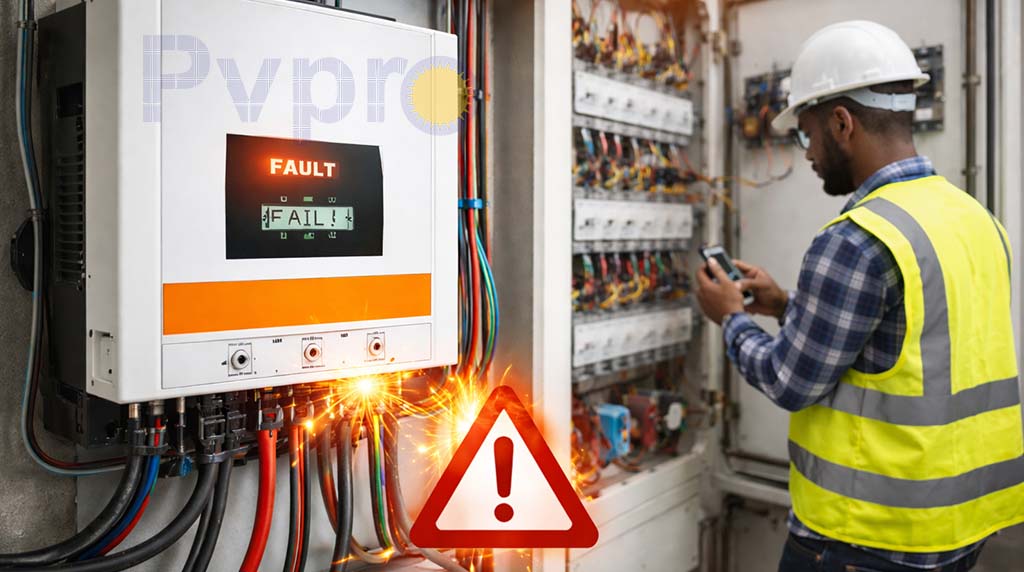
BREAKING REPORT: Rising Cases of 15kW Inverter Tripping in Commercial Facilities
Frequent inverter shutdowns are becoming a growing concern for businesses across Nigeria in 2026. From hotels to cold rooms and production facilities, many operators using 15kW systems report repeated tripping during peak usage hours.
Industry experts say the issue is rarely the inverter itself. Instead, it often comes down to system design, load mismanagement, or poor installation practices.
This report explains the real causes and provides a complete troubleshooting guide.
What “Tripping” Means in a 15kW System
When a 15kW inverter trips, it automatically shuts down to protect itself. This safety feature prevents damage from overload, overheating, or electrical faults.
Common symptoms include:
- Sudden power shutdown
- Error codes on display
- Repeated restart cycles
- Load dropping unexpectedly
For commercial environments, this can disrupt operations and cause revenue loss.
Top Causes of 15kW Inverter Tripping in Commercial Use
1. Overloading Beyond 15kW Capacity
This is the most common issue in business setups.
Many commercial users connect:
- Industrial freezers
- Air conditioning systems
- Water pumps
- Office equipment
When all these run simultaneously, the total load exceeds 15kW.
Result: Instant inverter shutdown.
2. High Surge Loads from Equipment
Machines like compressors and motors draw high startup current.
Even if your total load is within 15kW, surge demand can briefly exceed capacity.
Example:
A freezer or AC can draw 2–3x its rated power at startup.
3. Poor Battery Configuration
An undersized or weak battery bank can trigger inverter trips.
Common issues include:
- Low battery voltage
- Insufficient battery capacity
- Old or degraded batteries
Impact: The inverter cannot sustain load demand.
4. Faulty Wiring or Installation Errors
Improper wiring remains a major issue in many Nigerian commercial installations.
Typical problems:
- Loose connections
- Undersized cables
- Poor earthing
- Incorrect load distribution
These lead to instability and frequent tripping.
5. Overheating Due to Poor Ventilation
Commercial environments often install inverters in tight spaces.
Heat buildup causes automatic shutdown.
Warning signs:
- Hot inverter casing
- Fan running continuously
- Shutdown during midday operations
6. Grid and Generator Conflicts
Hybrid systems that combine:
- NEPA supply
- Generator backup
- Solar input
can experience synchronization issues.
This can trigger protection mode and cause tripping.
Step-by-Step Troubleshooting Guide
Step 1: Check Total Load
Calculate the total wattage of all connected equipment.
- Ensure it stays below 80–90% of inverter capacity
- Avoid running all heavy appliances at once
Step 2: Identify Surge Equipment
Separate high-surge appliances such as:
- Air conditioners
- Compressors
- Pumps
Solution:
Install soft starters or dedicate circuits.
Step 3: Inspect Battery Health
Check:
- Battery voltage levels
- Charging status
- Battery age
Replace weak batteries immediately.
Step 4: Verify Installation Quality
Inspect your system for:
- Proper cable sizing
- Tight connections
- Balanced load distribution
Engage a certified installer if unsure.
Step 5: Improve Ventilation
Ensure:
- Adequate airflow around inverter
- No enclosed installation
- Ambient temperature is controlled
Step 6: Check Error Codes
Modern inverters display fault codes.
Common ones include:
- Overload
- Over-temperature
- Low battery
- Short circuit
Refer to your inverter manual for interpretation.
Preventive Measures for Commercial Users
To avoid repeated issues:
- Upgrade to higher capacity (20kW–30kW if needed)
- Use load management systems
- Schedule heavy equipment usage
- Perform regular maintenance checks
When to Upgrade Your System
You should consider upgrading if:
- Your business has expanded
- You added more equipment
- Tripping occurs daily
- Your inverter runs near full capacity constantly
A 15kW inverter is ideal for medium-scale operations, but growing businesses may outgrow it quickly.
Recent Post
- [10kW Inverter for Small Businesses in Nigeria]
- [ 20kW vs 15kW Inverter – Which Should You Choose?]
- [ Why Your Inverter Keeps Tripping (General Guide)]
- [ Solar Battery Sizing for Commercial Systems]
Expert Insight (2026 Update)
Installers across Lagos report that over 60% of inverter tripping cases in commercial setups are caused by poor system sizing, not faulty equipment.
Businesses often underestimate their real energy consumption.
The solution is not just fixing the inverter — it is designing the entire system correctly.
Final Verdict
A 15kW inverter tripping in commercial use is a warning sign, not just a fault.
In most cases, the root causes include:
- Overloading
- Surge demand
- Battery issues
- Poor installation
Fixing these ensures stable power, protects your investment, and keeps your business running smoothly.
Shop new arrivals
Axpert VM II 2.5kW 24V Hybrid Solar Inverter for Solar Installers and Homes
Original price was: ₦441,335.00.₦431,335.00Current price is: ₦431,335.00.Axpert VM IV TWIN 4KW 24V Off-Grid Solar Inverter for Solar Installers and Homes
Original price was: ₦669,302.00.₦659,302.00Current price is: ₦659,302.00.Axpert VM II 5KW 48V Solar Inverter for Solar Installers and Homes
Original price was: ₦581,577.00.₦571,577.00Current price is: ₦571,577.00.Megarevo 5kWh 48V Hybrid Solar Inverter for Solar Installers and Home Systems
Original price was: ₦945,642.00.₦935,642.00Current price is: ₦935,642.00.Axpert VM II Elite 6KW 48V Off-Grid Solar Inverter (Single-Phase) for Solar Installers
Original price was: ₦819,837.00.₦809,837.00Current price is: ₦809,837.00.Megarevo 10KW 48V Hybrid Solar Inverter for Solar Installers and Home Systems
Original price was: ₦2,517,786.00.₦2,417,786.00Current price is: ₦2,417,786.00.Axpert MAX II TWIN 11KW 48V Off-Grid Solar Inverter (Single-Phase) for Solar Installers
Original price was: ₦1,810,641.00.₦1,710,641.00Current price is: ₦1,710,641.00.Megarevo 15KW Three-Phase Hybrid Solar Inverter for Solar Installers, Homes and Businesses
Original price was: ₦3,929,172.00.₦3,829,172.00Current price is: ₦3,829,172.00.InfiniSolar WP Elite 15KW Three-Phase Hybrid Solar Inverter for Commercial Solar Systems
Original price was: ₦5,605,623.00.₦5,505,623.00Current price is: ₦5,505,623.00.InfiniSolar WP II 30KW Three-Phase Hybrid Solar Inverter for Commercial and Industrial Solar Systems
Original price was: ₦7,350,724.00.₦7,250,724.00Current price is: ₦7,250,724.00.





9 Olaiya Street, Oregun, Ikeja, Lagos, Nigeria | Facebook | Instangram | Home