News
What Nigerian Hospitals Can Learn from Zimbabwe’s 750kW Solar Project


Introduction
Hospitals cannot afford power interruptions. From operating theatres and intensive care units to laboratories, pharmacies, and neonatal wards, reliable electricity supports essential healthcare services every hour of the day.
That is why Nigerian hospitals solar energy is becoming an important topic for hospital owners, administrators, and healthcare investors. As electricity costs rise and generator expenses continue to affect operating budgets, many healthcare facilities are looking for dependable alternatives.
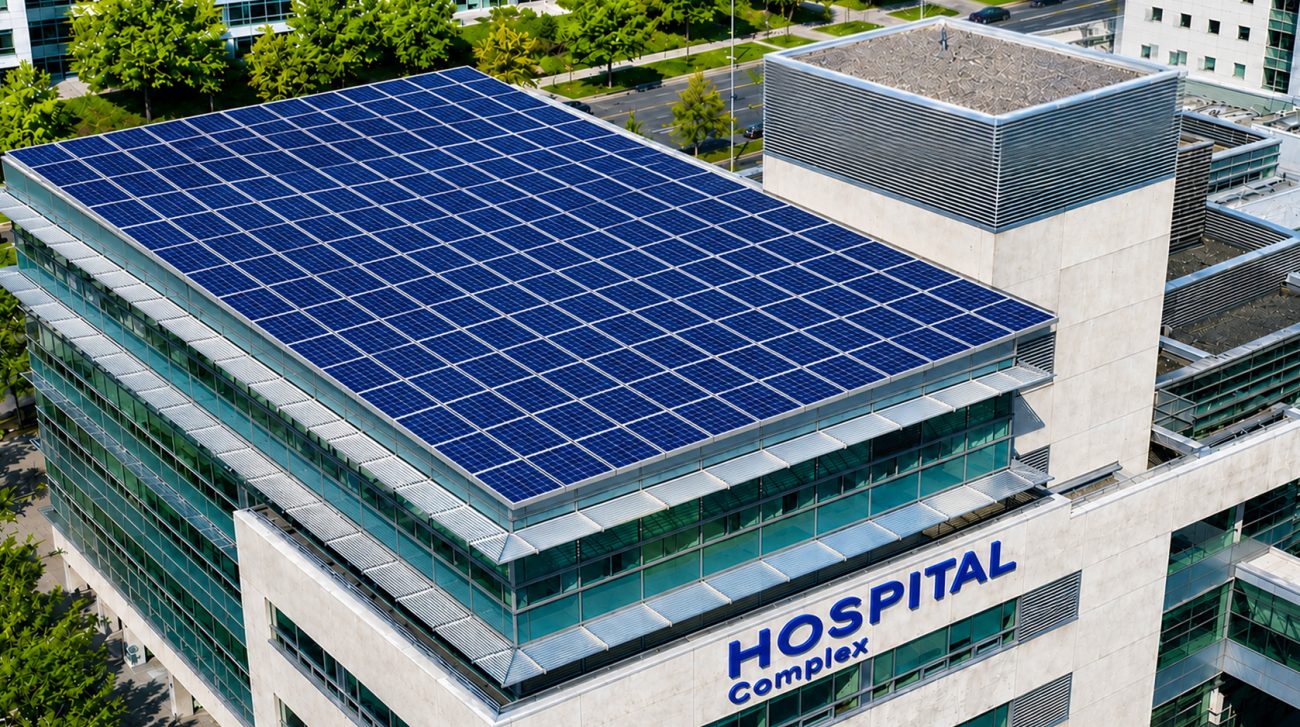
A recent 750kW solar project at Mater Dei Hospital in Bulawayo, Zimbabwe, offers useful lessons. The project shows how a large healthcare facility can use solar power to improve energy reliability, reduce dependence on conventional electricity sources, and support life-saving medical services.
For Nigerian hospitals, the key lesson is clear: solar energy is no longer only an environmental investment. It can also be an important part of healthcare infrastructure.
Understanding Zimbabwe’s 750kW Hospital Solar Project
Mater Dei Hospital in Bulawayo commissioned a solar photovoltaic hybrid power system capable of generating up to 750kW of electricity. The project was developed to strengthen the hospital’s electricity supply and support continuous healthcare delivery.
Reports indicate that the hospital’s existing electricity demand was between approximately 350kW and 450kW. Therefore, the solar project was designed with enough generation capacity to support a significant portion of the hospital’s energy needs while improving power resilience.
The project is important because hospitals have different energy needs from ordinary commercial buildings. A hospital may operate:
- Intensive care units
- Operating theatres
- Diagnostic laboratories
- Medical imaging equipment
- Blood banks
- Vaccine refrigerators
- Neonatal care units
- Emergency departments
- Security and communication systems
- Air-conditioning and ventilation systems
Many of these systems require stable electricity. As a result, a well-designed solar and battery system can help reduce energy risks while supporting uninterrupted patient care.
Lesson 1: Hospitals Should Treat Energy as Critical Infrastructure
For many businesses, a power outage may cause temporary inconvenience. However, in a hospital, an outage can affect patient safety, medical procedures, laboratory operations, and emergency care.
Therefore, hospital electricity should be treated as critical infrastructure rather than a regular utility expense.
The Zimbabwe project demonstrates that healthcare facilities can plan energy systems around essential services. Instead of depending only on the national grid or diesel generators, hospitals can combine solar panels, battery storage, grid electricity, and backup generators.
This approach creates multiple energy sources. Consequently, the hospital becomes less vulnerable when one source fails.
For Nigerian hospitals, solar energy planning should begin with a detailed review of critical loads. For example, hospital management should identify the equipment that must remain operational during a grid outage.
These may include:
- Operating theatre equipment
- ICU systems
- Oxygen equipment
- Emergency lighting
- Laboratory refrigerators
- Blood storage systems
- Neonatal incubators
- Medical records and communication systems
Once these loads are identified, a solar installer can design a system that supports the hospital’s priorities.
Lesson 2: Solar Systems Must Be Sized Using Real Energy Data
A common mistake is selecting a solar system based only on the number of hospital beds or the size of the building.
Although these factors are useful, they do not provide a complete picture. Two hospitals with the same number of beds may have very different electricity requirements.
For example, one hospital may operate MRI equipment, multiple operating theatres, central air-conditioning, and a large laboratory. Another may have fewer energy-intensive services.
Therefore, a professional solar assessment should consider:
- Monthly electricity consumption
- Diesel consumption
- Generator operating hours
- Daytime electricity demand
- Night-time electricity demand
- Peak energy demand
- Critical medical loads
- Available roof or ground space
- Future hospital expansion
Hospital solar projects should also consider the facility’s 24-hour load profile. Unlike many offices, hospitals continue operating at night. Therefore, battery capacity can be just as important as solar panel capacity.
Industry analysis also emphasizes that hospital solar calculations should account for continuous base loads, daytime demand from diagnostic equipment, and the need for properly sized battery backup.
Lesson 3: Battery Storage Is Essential for Critical Healthcare Loads
Solar panels generate electricity mainly during the day. However, hospitals require power throughout the night and during periods of low sunlight.
This is where battery energy storage becomes important.
A properly designed battery system can store excess solar energy and supply electricity when solar generation is low. It can also provide fast backup during a grid outage.
For Nigerian hospitals, batteries may support critical areas such as:
- Intensive care units
- Operating theatres
- Emergency wards
- Neonatal units
- Medical laboratories
- Pharmacy refrigeration
- Hospital servers
- Security systems
However, not every hospital appliance must be connected to the battery system. A professional design can divide the hospital’s electricity demand into critical and non-critical loads.
This approach may reduce the required battery capacity and improve project affordability.
For example, essential medical equipment may receive priority battery backup, while selected non-critical loads may remain connected to the grid or generator.
Lesson 4: Solar Energy Can Reduce Diesel Dependence
Many Nigerian hospitals depend heavily on diesel generators. Although generators provide backup power, continuous generator use can create major operating expenses.
These costs may include:
- Diesel purchases
- Generator maintenance
- Engine oil
- Spare parts
- Generator repairs
- Generator replacement
- Staff monitoring
- Noise and emissions
A solar hybrid system can reduce the number of hours that generators operate. During sunny periods, solar energy can power part of the hospital’s electricity demand directly.
In addition, batteries can reduce the need to start generators immediately after a grid outage.
The result may include lower fuel consumption, reduced maintenance requirements, and more predictable energy expenses.
However, the exact savings depend on the hospital’s energy consumption, solar system size, diesel usage, electricity tariff, and system design.
Therefore, hospitals should request a detailed energy and financial analysis before making an investment decision.
Lesson 5: Hospital Solar Projects Should Be Designed for Reliability, Not Only Savings
Lower electricity costs are important. Nevertheless, reliability should remain the main priority for healthcare facilities.
A low-cost solar system may not provide the level of performance required by a hospital. For example, poor system design may lead to:
- Insufficient battery backup
- Inadequate inverter capacity
- Limited support for critical loads
- Poor energy monitoring
- Frequent system shutdowns
- Difficult maintenance
For this reason, Nigerian hospitals should focus on long-term performance rather than only the initial installation price.
A hospital solar project should include:
- High-quality solar panels
- Commercial-grade hybrid inverters
- Reliable lithium battery storage
- Proper electrical protection
- Load management
- Energy monitoring
- Professional installation
- Preventive maintenance support
The goal should be to build a dependable energy system that supports healthcare operations for many years.
Lesson 6: Solar Power Can Improve Patient Care
Reliable electricity supports more than hospital finances. It can also improve the quality and continuity of patient care.
UNFPA explains that solar-powered healthcare systems can support uninterrupted maternal and reproductive health services. Solar energy can also support operating rooms, labour wards, neonatal care units, and other essential healthcare services.
For Nigerian hospitals, reliable solar power may help maintain:
- Continuous medical care
- Stable refrigeration for medicines
- Reliable laboratory operations
- Emergency healthcare services
- Patient comfort
- Digital health systems
- Security and communication
Therefore, the value of hospital solar energy should not be measured only by electricity savings. It should also be measured by improved service reliability and reduced operational risk.
Lesson 7: Hospitals Can Start with a Phased Solar Project
Not every Nigerian hospital needs a 750kW solar system.
The right system size depends on the hospital’s energy demand, available space, budget, and critical loads.
A small private clinic may require a modest solar and battery system. In contrast, a large teaching hospital may require several hundred kilowatts or a multi-megawatt energy solution.
Hospitals can also adopt solar power in phases.
For example:
Phase 1: Critical Medical Loads
The first phase may support:
- Emergency lighting
- ICU equipment
- Operating theatres
- Laboratory refrigeration
- Hospital servers
Phase 2: Essential Hospital Operations
The second phase may include:
- Wards
- Pharmacy systems
- Administrative offices
- Security systems
- Selected air-conditioning loads
Phase 3: Expanded Energy Coverage
The final phase may support:
- Additional hospital buildings
- Large cooling systems
- Diagnostic departments
- New healthcare facilities
A phased approach may help hospitals manage investment costs while gaining experience with solar energy.
Lesson 8: Energy Monitoring Should Be Part of the Project
A large hospital solar system should include energy monitoring.
Monitoring allows hospital management to track:
- Solar electricity generation
- Battery charging and discharge
- Grid electricity consumption
- Generator usage
- Peak electricity demand
- Energy savings
- System performance
This information can help facility managers identify energy waste and improve operational efficiency.
For example, if electricity demand rises unexpectedly, the hospital can investigate possible causes. These may include inefficient equipment, excessive air-conditioning use, or equipment operating outside scheduled hours.
Therefore, energy monitoring can support better financial and operational decisions.
Lesson 9: Solar Energy Supports Sustainable Healthcare
Hospitals consume large amounts of electricity. As a result, reducing generator use can also reduce emissions and noise.
Solar power provides a cleaner energy source that can support healthcare sustainability goals.
In India, healthcare authorities are also encouraging solar power as part of efforts to promote more environmentally responsible hospitals.
For Nigerian hospitals, sustainability may provide additional benefits, including:
- Improved environmental performance
- Reduced generator emissions
- Lower noise levels
- Stronger corporate social responsibility
- Better sustainability reporting
- A more modern healthcare image
However, sustainability should support—not replace—the primary goal of reliable patient care.
What Nigerian Hospitals Should Do Before Installing Solar
Before investing in a hospital solar project, management should complete a professional energy assessment.
The assessment should review:
- Electricity bills for at least 12 months
- Monthly diesel consumption
- Generator operating hours
- Current electricity demand
- Peak electricity demand
- Critical medical equipment
- Available roof or ground space
- Existing electrical infrastructure
- Future hospital expansion plans
- Required battery backup duration
The hospital should also request a clear proposal showing:
- Recommended solar capacity
- Recommended battery capacity
- Expected solar generation
- Estimated diesel reduction
- Expected electricity savings
- System components
- Installation timeline
- Warranty information
- Maintenance requirements
This information can help hospital management compare proposals and make an informed decision.
How PVPRO Nigeria Can Support Hospital Solar Projects
PVPRO Nigeria provides solar energy solutions for residential, commercial, and industrial applications across Nigeria.
For hospitals, a professional solar assessment can help determine the right combination of:
- Solar panels
- Hybrid inverters
- Lithium battery storage
- Grid integration
- Generator integration
- Critical-load backup
- Energy monitoring
Every healthcare facility has different energy requirements. Therefore, the system should be designed using the hospital’s actual electricity consumption and operational needs.
A properly designed solar system can help hospitals reduce diesel dependence, improve electricity reliability, and support essential healthcare services.
Conclusion: The Future of Nigerian Hospitals Solar Energy
Zimbabwe’s 750kW hospital solar project demonstrates that renewable energy can play an important role in healthcare infrastructure.
The project provides several lessons for Nigerian hospitals:
- Reliable electricity should be treated as a healthcare priority.
- Solar systems should be designed using real energy data.
- Battery storage is important for critical medical loads.
- Solar power can reduce diesel dependence.
- Reliability should be prioritized alongside cost savings.
- Energy monitoring supports better performance.
- Hospitals can begin with phased solar installations.
Most importantly, hospital solar energy is not only about reducing electricity bills. It is about supporting reliable healthcare delivery.
As Nigerian hospitals continue to manage rising energy costs and power supply challenges, solar and battery systems may become an increasingly important part of modern healthcare infrastructure.
Is your hospital considering solar energy?
PVPRO Nigeria can assess your electricity consumption, critical loads, diesel usage, and available installation space to recommend a suitable solar and battery solution.
Request a Free Commercial Solar Assessment
If you’re ready to reduce diesel costs, lower electricity bills, and improve the efficiency of your dealership, now is the perfect time to explore solar energy.
Contact PVPRO Nigeria today to schedule a free commercial solar assessment. Our experts will evaluate your energy needs and recommend the ideal solar solution to help your dealership save money and enjoy reliable power for years to come.
9 Olaiya Street, Oregun, Ikeja, Lagos, Nigeria | Facebook | Instangram | Home