


News
Clean Energy Push Seen as Shield Against Global Price Shocks — G7 Talks Intensify


Global Leaders Push Clean Energy to Stabilise Energy Prices
Global economic leaders are intensifying efforts to transition toward clean energy as a long-term solution to volatile energy prices. During recent G7 discussions, policymakers emphasized that renewable and nuclear energy remain the most reliable tools for reducing exposure to fossil fuel price shocks.
Officials noted that ongoing geopolitical tensions continue to disrupt oil and gas supply chains, creating instability in global markets. As a result, countries are accelerating investments in solar, wind, and energy storage systems.
2026 Update: Clean Energy Gains Momentum
In 2026, the clean energy transition has moved from policy discussions to active deployment. Several G7 nations have increased funding for renewable infrastructure, while private sector investments have surged across solar and battery storage projects.
Energy analysts confirm that regions with higher renewable adoption are already experiencing more stable electricity pricing compared to fossil fuel-dependent economies.
Impact on Lagos Energy Market
The global clean energy push is increasingly influencing local markets in Lagos. Businesses and households are turning to solar energy systems to reduce reliance on unstable grid supply and rising fuel costs.
In commercial areas such as Ikeja and Victoria Island, demand for hybrid inverters and solar installations has grown significantly. This shift is driven by:
- Frequent grid disruptions
- Rising diesel and petrol prices
- Increased awareness of renewable alternatives
Solar adoption in Lagos is no longer limited to high-income users. Small businesses, cafés, and home kitchens are now investing in compact solar solutions to maintain operations during outages.
Why Clean Energy Reduces Price Shocks
Clean energy sources provide price stability due to their independence from global fuel markets. Unlike fossil fuels, solar and wind energy are not affected by international conflicts or supply disruptions.
Key advantages include:
- Predictable long-term costs
- Reduced exposure to fuel price volatility
- Lower operational expenses over time
This explains why G7 leaders are prioritising renewable energy as a strategic economic safeguard.
Nigeria’s Position in the Transition
Nigeria, including Lagos, is uniquely positioned to benefit from the global clean energy shift. With abundant sunlight, solar energy remains one of the most viable solutions for both urban and rural electrification.
Government policies and private sector initiatives are gradually aligning with global trends, although adoption is still largely driven by individual consumers and businesses.
Local Industry Response in Lagos
Solar installers and energy companies in Lagos are already aligning with this global shift. The demand for:
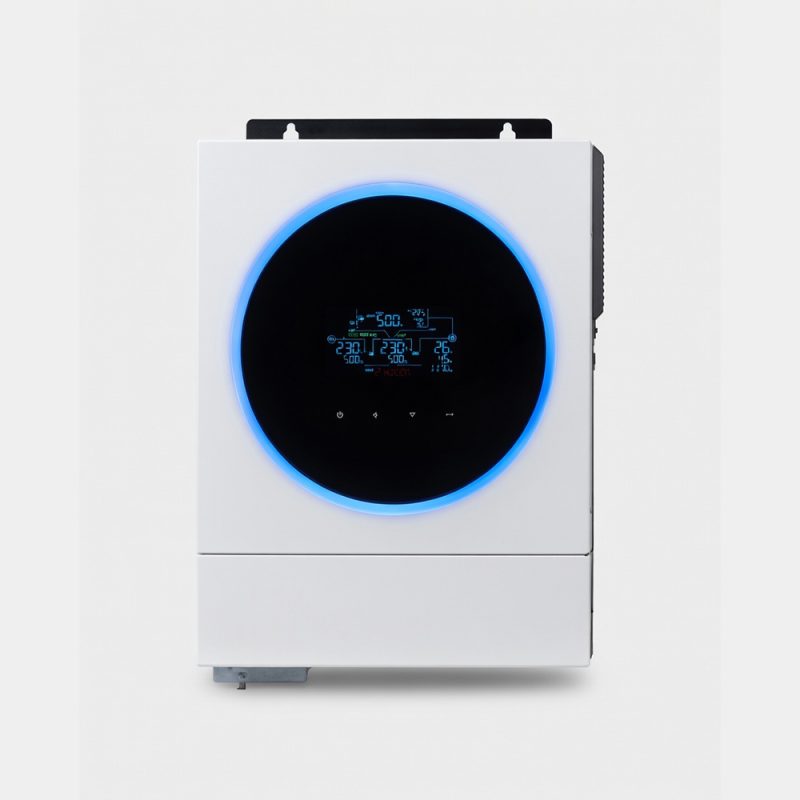
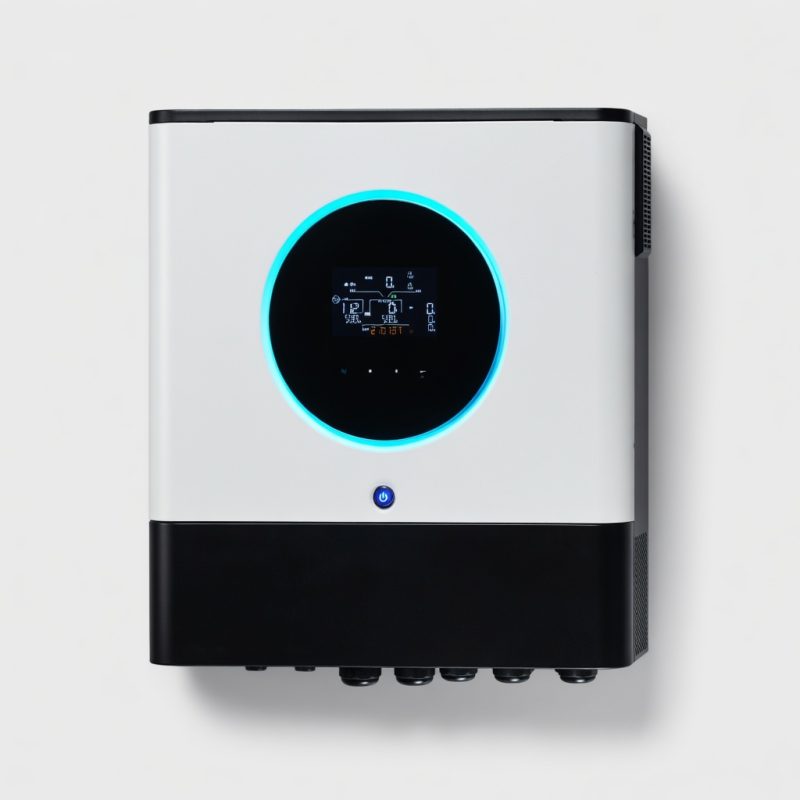
- Hybrid inverters
- Lithium battery storage systems
- Rooftop solar installations
continues to increase in 2026.
This growth is creating new opportunities for solar resellers, EPC contractors, and energy consultants within the Lagos market.
Outlook: Clean Energy as Economic Protection
The G7’s push signals a long-term restructuring of global energy systems. For cities like Lagos, the shift presents both an opportunity and a necessity.
As fuel prices remain unpredictable, clean energy is becoming not just an alternative—but a primary solution for energy security and cost control.
Shop new arrivals
-
Axpert VM II 2.5kW 24V Hybrid Solar Inverter for Solar Installers and Homes
Original price was: ₦441,335.00.₦431,335.00Current price is: ₦431,335.00. -
Axpert VM IV TWIN 4KW 24V Off-Grid Solar Inverter for Solar Installers and Homes
Original price was: ₦669,302.00.₦659,302.00Current price is: ₦659,302.00. -
Axpert VM II 5KW 48V Solar Inverter for Solar Installers and Homes
Original price was: ₦581,577.00.₦571,577.00Current price is: ₦571,577.00. -
Megarevo 5kWh 48V Hybrid Solar Inverter for Solar Installers and Home Systems
Original price was: ₦945,642.00.₦935,642.00Current price is: ₦935,642.00. -
Axpert VM II Elite 6KW 48V Off-Grid Solar Inverter (Single-Phase) for Solar Installers
Original price was: ₦819,837.00.₦809,837.00Current price is: ₦809,837.00. -
Megarevo 10KW 48V Hybrid Solar Inverter for Solar Installers and Home Systems
Original price was: ₦2,517,786.00.₦2,417,786.00Current price is: ₦2,417,786.00. -
Axpert MAX II TWIN 11KW 48V Off-Grid Solar Inverter (Single-Phase) for Solar Installers
Original price was: ₦1,810,641.00.₦1,710,641.00Current price is: ₦1,710,641.00. -
Megarevo 15KW Three-Phase Hybrid Solar Inverter for Solar Installers, Homes and Businesses
Original price was: ₦3,929,172.00.₦3,829,172.00Current price is: ₦3,829,172.00. -
InfiniSolar WP Elite 15KW Three-Phase Hybrid Solar Inverter for Commercial Solar Systems
Original price was: ₦5,605,623.00.₦5,505,623.00Current price is: ₦5,505,623.00. -
InfiniSolar WP II 30KW Three-Phase Hybrid Solar Inverter for Commercial and Industrial Solar Systems
Original price was: ₦7,350,724.00.₦7,250,724.00Current price is: ₦7,250,724.00.





9 Olaiya Street, Oregun, Ikeja, Lagos, Nigeria | Facebook | Instangram | Home