


News
Africa Solar Surge: Nearly 1GW Added in Q1 2026 as Energy Transition Accelerates

Africa Solar Expansion Reaches New Milestone in 2026
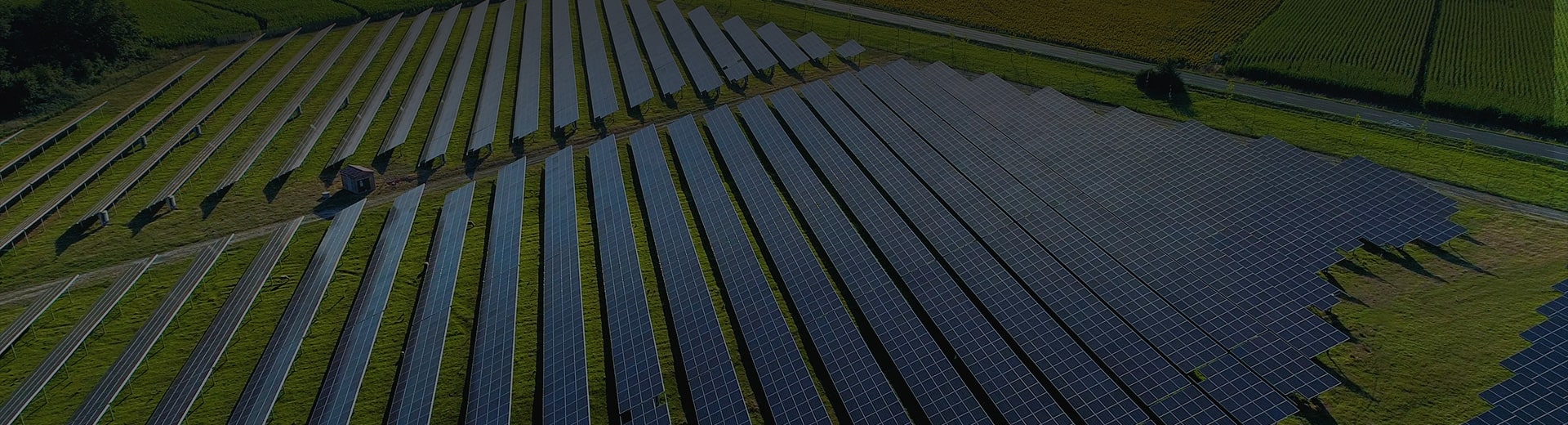
Africa’s solar energy sector recorded a major milestone in the first quarter of 2026, with nearly 970 MW of new utility-scale solar capacity installed across the continent. This rapid deployment pushes total installed solar capacity to approximately 26.15 GW.
The latest figures confirm that Africa is entering a new phase of accelerated clean energy adoption, driven by policy reforms, private investment, and increasing demand for reliable electricity.
Q1 2026 Outpaces Entire 2025 Installations
The first quarter alone surpassed the total solar installations recorded in 2025, which stood at about 890 MW.
This sharp increase highlights a shift in project execution speed and investor confidence across African energy markets.
Key drivers include:
- Policy liberalisation in major markets
- Expansion of independent power producers
- Government-backed procurement programmes
- Urgency to meet rising electricity demand
Policy Changes and Cost Pressures Shape Growth
Industry analysts link the Q1 surge to a temporary 9% VAT rebate on Chinese solar exports, which encouraged developers to fast-track projects before its expiration in April 2026.
With the rebate now removed, solar project costs are expected to rise slightly, especially for large-scale installations still in financing stages.
North Africa Leads, West Africa Slows
Regional performance in Q1 2026 shows a clear imbalance:
- North Africa led with over 670 MW of new capacity, driven by Egypt and Tunisia
- Southern Africa followed, supported by South Africa’s strong solar market
- East Africa recorded modest gains led by Tanzania
- West Africa, including Nigeria, saw minimal new utility-scale additions
Despite this slowdown, West Africa already has over 1 GW of installed solar capacity, indicating strong underlying potential.
Lagos and Nigeria: Untapped Solar Opportunity
In cities like Lagos, where electricity supply remains inconsistent, solar adoption continues to grow at the residential and commercial level rather than utility-scale projects.
Nigeria ranked among Africa’s top solar markets in 2025, with over 800 MW installed capacity, second only to South Africa.
However, the lack of large-scale project execution in Q1 2026 suggests:
- Financing challenges
- Grid infrastructure limitations
- Policy inconsistencies
For Lagos-based businesses and homeowners, this trend reinforces the shift toward hybrid inverter systems and rooftop solar solutions.
Read more: [Best Solar Inverter in Ikeja, Lagos (2026 Guide)]
2026 Update: Africa Becomes Fastest-Growing Solar Market
Africa’s solar momentum builds on a record-breaking 2025, when installations grew by over 50% year-on-year.
The continent is now considered one of the fastest-growing solar markets globally, supported by:
- Falling solar equipment costs
- Increased foreign investment
- Rising demand for off-grid power solutions
Reports also indicate that solar is helping reduce reliance on diesel generators, particularly in urban hubs like Lagos.
Market Outlook: Growth Expected but Challenges Remain
While the outlook remains positive, several risks could affect growth in the coming quarters:
- Rising equipment costs after subsidy removal
- Delays in financing large-scale projects
- Weak transmission infrastructure
- Policy uncertainty in some regions
Despite these challenges, Africa’s long-term solar potential remains among the highest globally due to its strong sunlight exposure and growing energy demand.
What This Means for Businesses in Lagos
For businesses operating in Lagos, the latest solar trend signals a clear shift:
- Increased adoption of commercial solar systems
- Growing demand for battery storage solutions
- Faster ROI compared to diesel generators
Read more: [2.5kVA Inverter vs Generator in Ikeja (2026 Comparison]
Conclusion
Africa’s addition of nearly 1GW of solar capacity in Q1 2026 marks a turning point in the continent’s energy transition. While North Africa dominates large-scale deployment, cities like Lagos are emerging as key drivers of distributed solar growth.
The next phase will depend on how quickly governments and investors address infrastructure and policy gaps, especially in West Africa.
Shop new arrivals
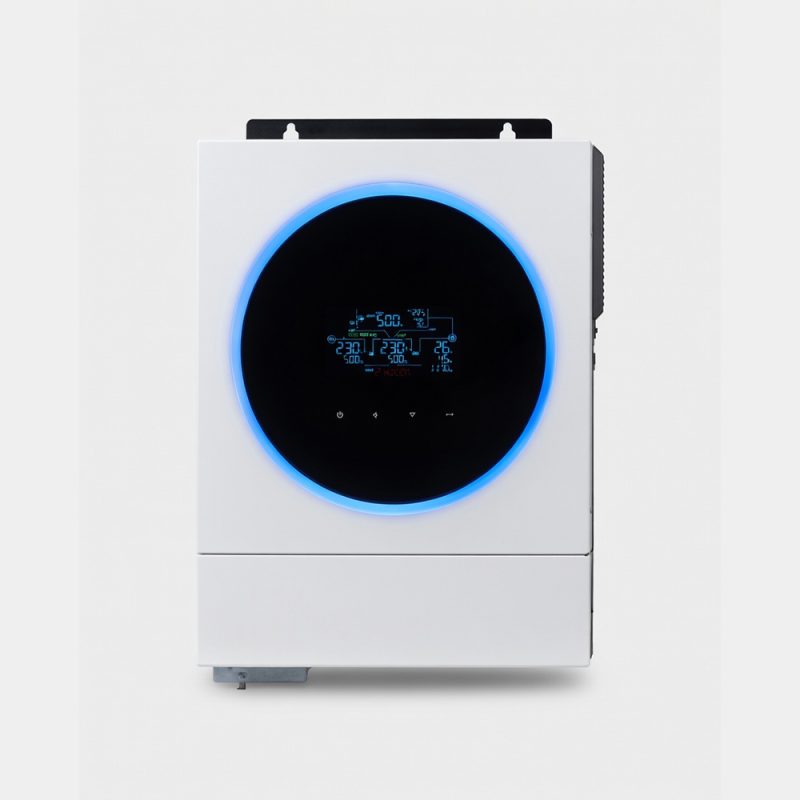
Axpert VM II 2.5kW 24V Hybrid Solar Inverter for Solar Installers and Homes
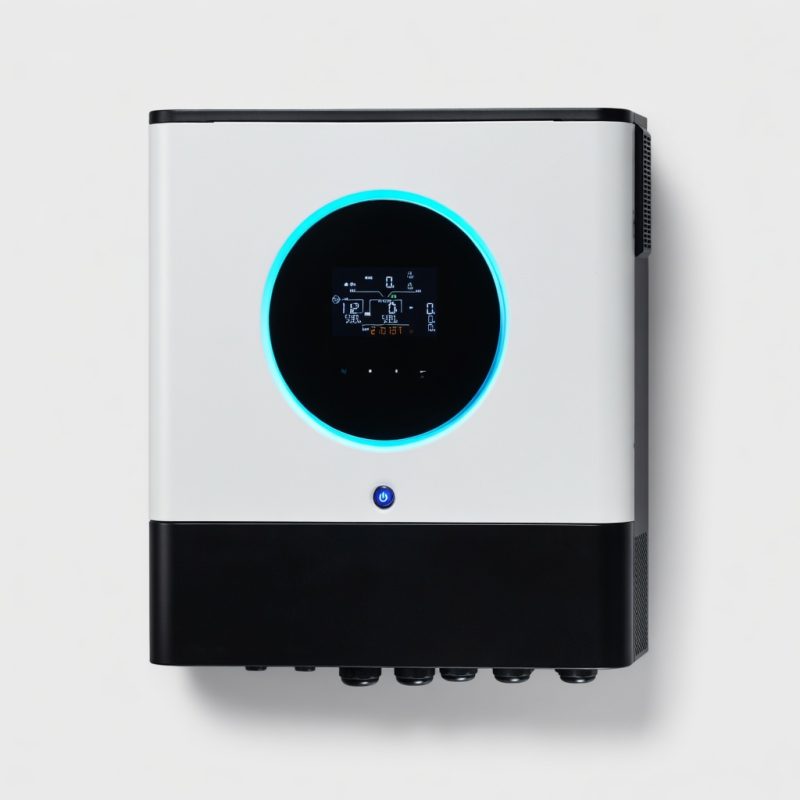
Original price was: ₦441,335.00.₦431,335.00Current price is: ₦431,335.00.Axpert VM IV TWIN 4KW 24V Off-Grid Solar Inverter for Solar Installers and Homes
Original price was: ₦669,302.00.₦659,302.00Current price is: ₦659,302.00.Axpert VM II 5KW 48V Solar Inverter for Solar Installers and Homes
Original price was: ₦581,577.00.₦571,577.00Current price is: ₦571,577.00.Megarevo 5kWh 48V Hybrid Solar Inverter for Solar Installers and Home Systems
Original price was: ₦945,642.00.₦935,642.00Current price is: ₦935,642.00.Axpert VM II Elite 6KW 48V Off-Grid Solar Inverter (Single-Phase) for Solar Installers
Original price was: ₦819,837.00.₦809,837.00Current price is: ₦809,837.00.Megarevo 10KW 48V Hybrid Solar Inverter for Solar Installers and Home Systems
Original price was: ₦2,517,786.00.₦2,417,786.00Current price is: ₦2,417,786.00.Axpert MAX II TWIN 11KW 48V Off-Grid Solar Inverter (Single-Phase) for Solar Installers
Original price was: ₦1,810,641.00.₦1,710,641.00Current price is: ₦1,710,641.00.Megarevo 15KW Three-Phase Hybrid Solar Inverter for Solar Installers, Homes and Businesses
Original price was: ₦3,929,172.00.₦3,829,172.00Current price is: ₦3,829,172.00.InfiniSolar WP Elite 15KW Three-Phase Hybrid Solar Inverter for Commercial Solar Systems
Original price was: ₦5,605,623.00.₦5,505,623.00Current price is: ₦5,505,623.00.InfiniSolar WP II 30KW Three-Phase Hybrid Solar Inverter for Commercial and Industrial Solar Systems
Original price was: ₦7,350,724.00.₦7,250,724.00Current price is: ₦7,250,724.00.





9 Olaiya Street, Oregun, Ikeja, Lagos, Nigeria | Facebook | Instangram | Home
