


News
Africa’s Solar Boom Accelerates in 2026 as Lagos Positions for Clean Energy Breakthrough

Africa’s Solar Boom Accelerates in 2026 as Lagos Positions for Clean Energy Breakthrough
Africa is entering a defining phase in its energy transition, with solar power leading the continent’s fastest-growing electricity segment following record capacity expansion in 2025 and continued momentum in 2026.
Record Growth Signals Turning Point for Africa
Solar installations across Africa reached unprecedented levels, driven by rising electricity demand, unreliable grid supply, and declining solar technology costs. Analysts say the continent is now approaching a “solar breakthrough” moment, where adoption could scale rapidly across both urban and rural markets.
This rapid shift is already influencing consumer decisions in Nigeria, where many residents are comparing alternatives such as generators and solar systems. For a deeper comparison, see 2.5kVA Inverter vs Generator in Ikeja, Lagos (2026).
The growth is being fueled by:
- Increasing investment in renewable infrastructure
- Expansion of off-grid and mini-grid solutions
- Government-backed clean energy policies
- Rising diesel and petrol costs pushing alternatives
Lagos Emerges as a Key Solar Growth Hub
In Nigeria, Lagos is becoming one of the most active solar markets on the continent. Businesses and households are accelerating the switch to solar due to persistent grid instability and rising generator costs.
From residential estates in Lekki to commercial hubs in Ikeja, demand for hybrid and off-grid solar systems continues to surge. Many users are now exploring best solar inverter systems for homes in Lagos to reduce dependence on fuel-powered generators.
Solar installers report increased adoption of:
- 2.5kVA to 10kVA hybrid inverter systems
- Lithium battery storage solutions
- Rooftop solar panels for SMEs
This reflects a broader shift where solar is no longer just backup power but a primary energy source.
2026 Update: Investment and Policy Momentum Builds
In 2026, new financing models and international partnerships are expected to further accelerate solar deployment across Africa.
At the same time, more Nigerians are researching installation costs before making decisions. A helpful starting point is this cost of solar installation in Nigeria (2026 update) guide.
Key developments include:
- Increased funding from global climate finance institutions
- Expansion of pay-as-you-go solar solutions
- Stronger regulatory support for renewable energy projects
- Growing interest from private sector investors
Challenges Still Facing Solar Expansion
Despite the rapid growth, several barriers remain:
- High upfront installation costs for many households
- Limited access to financing for small businesses
- Regulatory inconsistencies in some regions
- Dependence on imported solar components
Outlook: Africa’s Solar Future Gains Momentum
Experts believe Africa could become one of the world’s fastest-growing solar markets over the next decade. With abundant sunlight and increasing demand, the continent is well-positioned to leapfrog traditional energy systems.
For cities like Lagos, the transition is already underway, signaling a future where solar energy plays a central role in powering homes, businesses, and industries.
Shop new arrivals
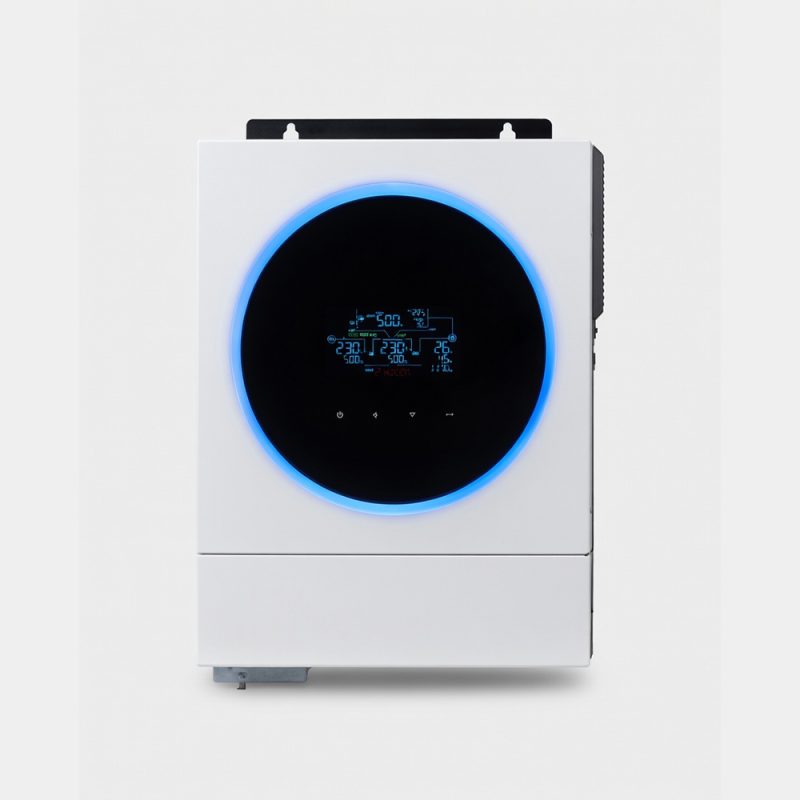
Axpert VM II 2.5kW 24V Hybrid Solar Inverter for Solar Installers and Homes
Original price was: ₦441,335.00.₦431,335.00Current price is: ₦431,335.00.Axpert VM IV TWIN 4KW 24V Off-Grid Solar Inverter for Solar Installers and Homes
Original price was: ₦669,302.00.₦659,302.00Current price is: ₦659,302.00.Axpert VM II 5KW 48V Solar Inverter for Solar Installers and Homes
Original price was: ₦581,577.00.₦571,577.00Current price is: ₦571,577.00.Megarevo 5kWh 48V Hybrid Solar Inverter for Solar Installers and Home Systems
Original price was: ₦945,642.00.₦935,642.00Current price is: ₦935,642.00.Axpert VM II Elite 6KW 48V Off-Grid Solar Inverter (Single-Phase) for Solar Installers
Original price was: ₦819,837.00.₦809,837.00Current price is: ₦809,837.00.Megarevo 10KW 48V Hybrid Solar Inverter for Solar Installers and Home Systems
Original price was: ₦2,517,786.00.₦2,417,786.00Current price is: ₦2,417,786.00.Axpert MAX II TWIN 11KW 48V Off-Grid Solar Inverter (Single-Phase) for Solar Installers
Original price was: ₦1,810,641.00.₦1,710,641.00Current price is: ₦1,710,641.00.Megarevo 15KW Three-Phase Hybrid Solar Inverter for Solar Installers, Homes and Businesses
Original price was: ₦3,929,172.00.₦3,829,172.00Current price is: ₦3,829,172.00.InfiniSolar WP Elite 15KW Three-Phase Hybrid Solar Inverter for Commercial Solar Systems
Original price was: ₦5,605,623.00.₦5,505,623.00Current price is: ₦5,505,623.00.InfiniSolar WP II 30KW Three-Phase Hybrid Solar Inverter for Commercial and Industrial Solar Systems
Original price was: ₦7,350,724.00.₦7,250,724.00Current price is: ₦7,250,724.00.





9 Olaiya Street, Oregun, Ikeja, Lagos, Nigeria | Facebook | Instangram | Home


