


News
Lincolnshire Solar Farm Dispute Sparks Tension Over Farmland and Clean Energy Expansion


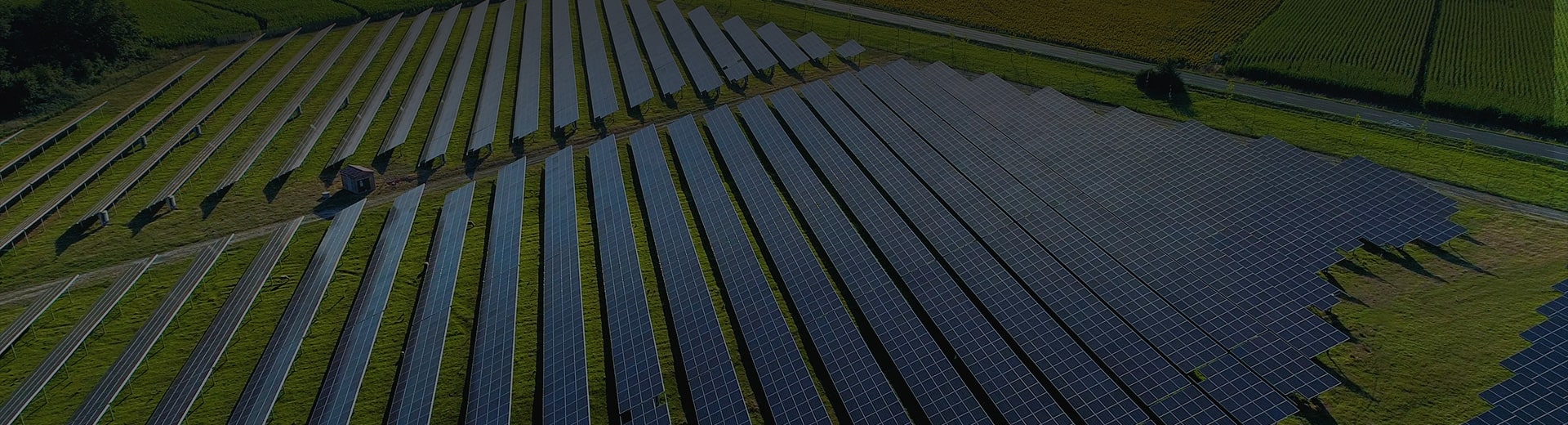
LINCOLNSHIRE, UK — A major dispute is unfolding in rural England as plans for large-scale solar farms in Lincolnshire trigger strong opposition from farmers and local residents, raising concerns about food security, land use, and the future of clean energy.
The conflict reflects a broader global challenge: balancing renewable energy expansion with agricultural preservation and community interests.
Rising Opposition from Farmers and Residents
In parts of Lincolnshire, multiple solar farm projects are planned within close proximity, with infrastructure such as underground cables expected to cut across farmland.
Some farmers argue that the developments will disrupt agricultural activities and limit land use. Concerns have also been raised about restrictions on building storage facilities and the long-term impact on food production.
One farmer warned that losing farmland could weaken food security, especially during periods of global disruption.
At the same time, residents living near proposed sites have expressed fears about noise, landscape changes, and the overall impact on rural life.
Clean Energy Goals Drive Expansion
The UK government is pushing forward with solar energy projects as part of its net-zero strategy, aiming to reduce reliance on fossil fuels and stabilise energy supply.
Despite resistance, experts note that a relatively small percentage of land could generate significant solar power needed to meet climate targets.
However, the concentration of projects in specific regions like Lincolnshire has intensified local tensions, as communities feel they are bearing a disproportionate burden.
Farmers Divided Over Solar Leasing
Not all landowners oppose the developments. Some farmers have chosen to lease their land to solar companies, seeing it as a stable and profitable alternative to traditional farming.
This has created divisions within rural communities, with critics accusing others of prioritising financial gain over long-term agricultural sustainability.
The debate has also drawn political attention, with some leaders backing renewable expansion while others campaign against what they describe as overdevelopment.
Infrastructure Concerns Add Pressure
Beyond the solar panels themselves, new grid connections and cable routes have become another major point of conflict.
Planned transmission infrastructure linking multiple solar farms has sparked further resistance, particularly from landowners affected by construction and land restrictions.
These infrastructure demands highlight the scale of transformation required to support renewable energy systems.
Global Relevance and Lagos Perspective
While the dispute is centred in the UK, similar challenges are emerging globally — including in Lagos, where demand for solar energy is rising due to unstable power supply and high fuel costs.
In Nigeria’s commercial capital, solar adoption is accelerating among homes and businesses. However, large-scale solar projects may eventually face similar debates around land use, urban planning, and environmental impact.
The Lincolnshire case offers an early example of the trade-offs that cities like Lagos may need to manage as clean energy infrastructure expands.
A Delicate Balance Between Food and Energy
The controversy underscores a key question facing governments worldwide: how to transition to renewable energy without undermining food production or local communities.
As solar energy continues to grow, finding a balance between sustainability, economic opportunity, and social acceptance will remain critical.
For now, Lincolnshire stands at the centre of a debate that is likely to shape the future of energy policy far beyond the UK.
Shop new arrivals
Axpert VM II 2.5kW 24V Hybrid Solar Inverter for Solar Installers and Homes
Original price was: ₦441,335.00.₦431,335.00Current price is: ₦431,335.00.Axpert VM IV TWIN 4KW 24V Off-Grid Solar Inverter for Solar Installers and Homes
Original price was: ₦669,302.00.₦659,302.00Current price is: ₦659,302.00.Axpert VM II 5KW 48V Solar Inverter for Solar Installers and Homes
Original price was: ₦581,577.00.₦571,577.00Current price is: ₦571,577.00.Megarevo 5kWh 48V Hybrid Solar Inverter for Solar Installers and Home Systems
Original price was: ₦945,642.00.₦935,642.00Current price is: ₦935,642.00.Axpert VM II Elite 6KW 48V Off-Grid Solar Inverter (Single-Phase) for Solar Installers
Original price was: ₦819,837.00.₦809,837.00Current price is: ₦809,837.00.Megarevo 10KW 48V Hybrid Solar Inverter for Solar Installers and Home Systems
Original price was: ₦2,517,786.00.₦2,417,786.00Current price is: ₦2,417,786.00.Axpert MAX II TWIN 11KW 48V Off-Grid Solar Inverter (Single-Phase) for Solar Installers
Original price was: ₦1,810,641.00.₦1,710,641.00Current price is: ₦1,710,641.00.Megarevo 15KW Three-Phase Hybrid Solar Inverter for Solar Installers, Homes and Businesses
Original price was: ₦3,929,172.00.₦3,829,172.00Current price is: ₦3,829,172.00.InfiniSolar WP Elite 15KW Three-Phase Hybrid Solar Inverter for Commercial Solar Systems
Original price was: ₦5,605,623.00.₦5,505,623.00Current price is: ₦5,505,623.00.InfiniSolar WP II 30KW Three-Phase Hybrid Solar Inverter for Commercial and Industrial Solar Systems
Original price was: ₦7,350,724.00.₦7,250,724.00Current price is: ₦7,250,724.00.






9 Olaiya Street, Oregun, Ikeja, Lagos, Nigeria | Facebook | Instangram | Home