


News
Nigeria’s Power Crisis Deepens: Lagos Businesses Bear the Brunt as Experts Call for Urgent Reforms


Nigeria’s Power Crisis Deepens: Lagos Businesses Bear the Brunt as Experts Call for Urgent Reforms
Nigeria’s long-standing electricity crisis has taken a deeper toll on economic productivity, with Lagos emerging as one of the hardest-hit commercial hubs despite its strategic advantage in the national grid.
The country, endowed with vast gas reserves, continues to struggle with unreliable power supply, exposing structural failures that go beyond technical inefficiencies. Experts now warn that without urgent reforms, the crisis could further destabilise key sectors of the economy.
A System Under Strain
Nigeria’s electricity generation remains significantly below demand, averaging around 4,000 megawatts for a population exceeding 200 million.
This shortfall has turned electricity into what analysts describe as a “hidden tax” on businesses, especially in Lagos, where industries and SMEs rely heavily on alternative power sources.
Despite reforms such as the Electricity Act of 2023, the national grid continues to operate on outdated infrastructure, plagued by inefficiencies and mounting debt estimated in trillions of naira.
Lagos Businesses Turn to Self-Generation
In Lagos, Nigeria’s commercial nerve centre, unreliable electricity has forced businesses to become independent power producers.
From manufacturing firms in Ikeja to restaurants and tech startups in Lekki, diesel and petrol generators are no longer backup solutions but primary energy sources.
This trend has created a dual economy:
- Businesses with financial capacity sustain operations through private power
- Smaller enterprises struggle with high fuel costs and inconsistent supply
Nationally, businesses lose billions annually due to power outages, reinforcing the urgency of reform.
Structural Issues Beyond Generation
Energy experts argue that Nigeria’s power crisis is not merely about generation capacity but systemic inefficiencies across the value chain.
Key challenges include:
- Weak transmission infrastructure limiting power distribution
- Liquidity crisis in the electricity market
- Poor contract enforcement across stakeholders
- Tariff imbalances discouraging investment
Even when power is generated, transmission constraints often make it “available but undeliverable,” worsening supply gaps.
Regional Imbalance Raises Concerns
While southern regions like Lagos benefit from proximity to gas-fired plants, large parts of northern Nigeria remain under-electrified despite strong solar potential.
This imbalance is increasingly viewed as a socio-economic risk that could fuel inequality and instability if left unaddressed.
The Rise of Nigeria’s Generator Economy
Nigeria now operates a vast informal energy system powered by generators, with businesses and households spending heavily to compensate for grid failures.
This “parallel power market” continues to grow, undermining the national grid and discouraging long-term investment in centralised electricity infrastructure.
The Way Forward: Decentralisation and Reform
Experts say solving Nigeria’s power crisis will require a shift from centralised control to decentralised energy systems.
Key recommendations include:
- State-level electricity markets to improve competition
- Investment in renewable energy, especially solar in underserved regions
- Adoption of cost-reflective tariffs to ensure sector sustainability
- Strengthening regulatory frameworks to restore investor confidence
There is also growing consensus that natural gas should serve as a transition fuel while Nigeria gradually adopts cleaner energy solutions.
Conclusion
Nigeria’s electricity crisis remains one of the biggest constraints to economic growth, with Lagos businesses at the frontline of its impact.
Without decisive reforms, the country risks deepening its reliance on expensive self-generation, further widening inequality and slowing industrial development.
The demand from businesses and citizens is no longer for policy promises but for consistent, reliable power supply that can drive sustainable growth.
Shop new arrivals
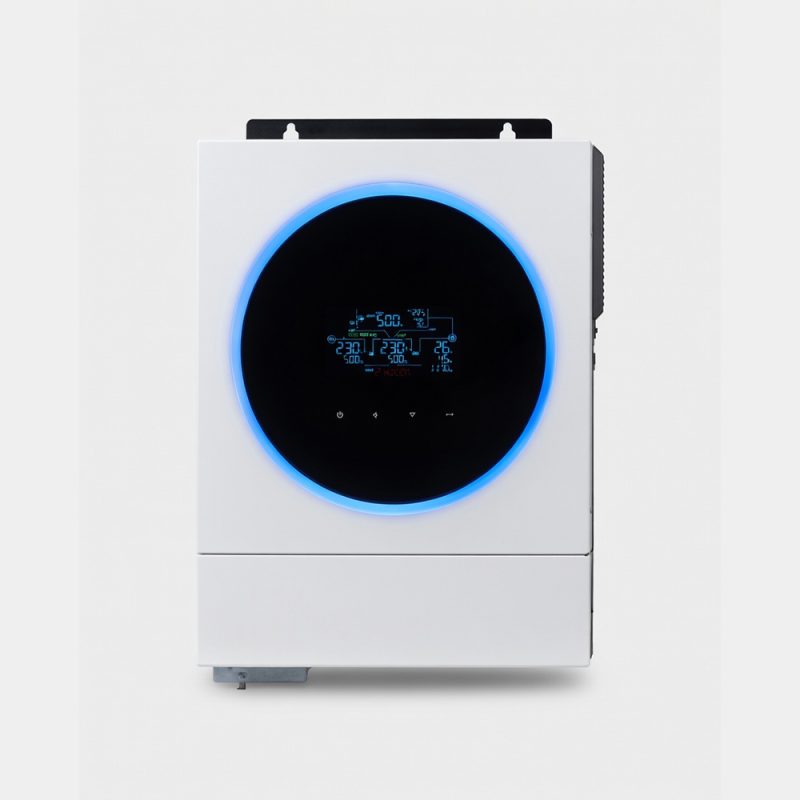
Axpert VM II 2.5kW 24V Hybrid Solar Inverter for Solar Installers and Homes
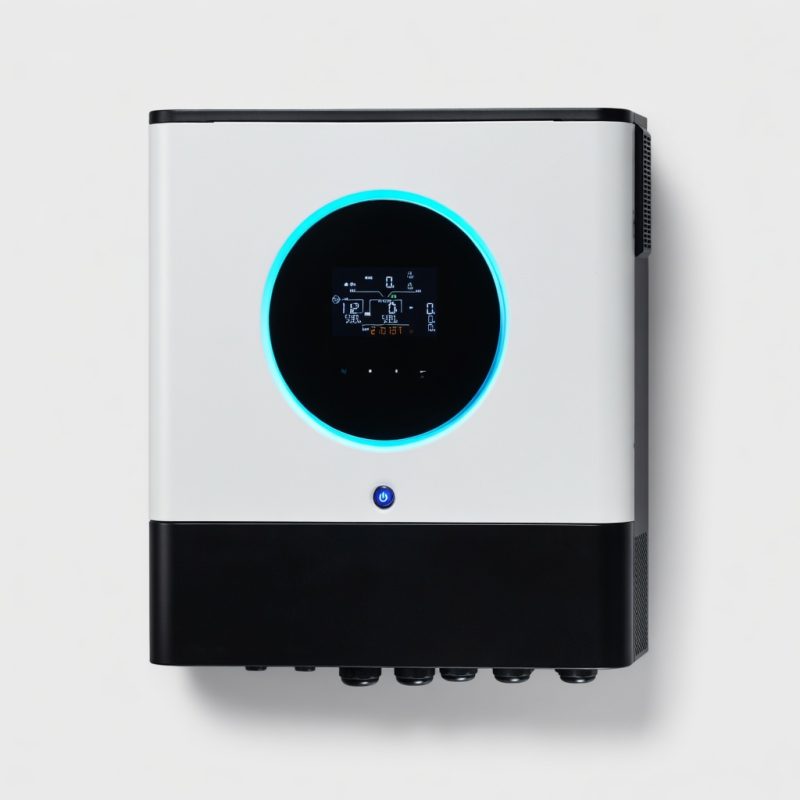
Original price was: ₦441,335.00.₦431,335.00Current price is: ₦431,335.00.Axpert VM IV TWIN 4KW 24V Off-Grid Solar Inverter for Solar Installers and Homes
Original price was: ₦669,302.00.₦659,302.00Current price is: ₦659,302.00.Axpert VM II 5KW 48V Solar Inverter for Solar Installers and Homes
Original price was: ₦581,577.00.₦571,577.00Current price is: ₦571,577.00.Megarevo 5kWh 48V Hybrid Solar Inverter for Solar Installers and Home Systems
Original price was: ₦945,642.00.₦935,642.00Current price is: ₦935,642.00.Axpert VM II Elite 6KW 48V Off-Grid Solar Inverter (Single-Phase) for Solar Installers
Original price was: ₦819,837.00.₦809,837.00Current price is: ₦809,837.00.Megarevo 10KW 48V Hybrid Solar Inverter for Solar Installers and Home Systems
Original price was: ₦2,517,786.00.₦2,417,786.00Current price is: ₦2,417,786.00.Axpert MAX II TWIN 11KW 48V Off-Grid Solar Inverter (Single-Phase) for Solar Installers
Original price was: ₦1,810,641.00.₦1,710,641.00Current price is: ₦1,710,641.00.Megarevo 15KW Three-Phase Hybrid Solar Inverter for Solar Installers, Homes and Businesses
Original price was: ₦3,929,172.00.₦3,829,172.00Current price is: ₦3,829,172.00.InfiniSolar WP Elite 15KW Three-Phase Hybrid Solar Inverter for Commercial Solar Systems
Original price was: ₦5,605,623.00.₦5,505,623.00Current price is: ₦5,505,623.00.InfiniSolar WP II 30KW Three-Phase Hybrid Solar Inverter for Commercial and Industrial Solar Systems
Original price was: ₦7,350,724.00.₦7,250,724.00Current price is: ₦7,250,724.00.





9 Olaiya Street, Oregun, Ikeja, Lagos, Nigeria | Facebook | Instangram | Home