


News
Africa’s Solar Investment Surge Deepens Energy Divide as Millions Remain Without Power — Lagos Faces Persistent Gaps


Africa’s Solar Boom Widens Energy Gap as Millions Remain Without Power
Africa’s renewable energy sector is witnessing unprecedented growth, with solar power emerging as the dominant force in new investments across the continent. However, this surge has failed to translate into universal electricity access, leaving millions—including residents in Lagos—still struggling with unreliable or no power supply.
Solar Leads Investment, But Access Lags Behind
Recent industry data shows that between 2020 and 2025, Africa attracted about $34 billion in clean energy investments, with over half directed toward solar projects.
Solar energy alone accounts for the largest share of renewable funding, reinforcing its position as the backbone of Africa’s energy transition.
Despite this progress, the continent continues to face a stark contradiction: nearly 600 million Africans still lack access to electricity.
Investment Growth Fails to Match Demand
Africa’s clean energy investment has surged in recent years, rising sharply from just $2.6 billion in 2021 to tens of billions annually.
Yet, the continent still accounts for less than 3 percent of global clean energy funding, despite housing roughly 20 percent of the world’s population.
Experts estimate that Africa requires about $100 billion annually to meet its energy targets, highlighting a massive funding gap that continues to slow electrification.
Lagos Reflects Africa’s Energy Reality
In Nigeria’s commercial hub, Lagos, the disconnect between investment and access is increasingly visible.
While solar installations are gaining traction among businesses and households seeking alternatives to unreliable grid supply, many areas still experience frequent outages and high energy costs.
The growing adoption of solar systems in Lagos—particularly among SMEs and residential estates—demonstrates both the opportunity and the limitations of current energy investments. Without large-scale infrastructure, grid upgrades, and policy support, solar growth alone cannot close the electricity gap.
Structural Challenges Persist
Analysts point to several factors limiting the impact of solar investments:
- Inadequate grid infrastructure to distribute power effectively
- High cost of capital for energy projects
- Policy and regulatory inconsistencies
- Urban-rural disparities in electrification
Even as solar projects expand across major African markets such as Kenya, Egypt, and South Africa, rural and underserved communities remain largely excluded.
A Growing Divide Between Progress and Reality
Africa holds some of the world’s richest solar resources, yet millions remain disconnected from electricity.
This imbalance underscores a critical issue: investment is flowing, but not always to the areas where it is needed most.
For cities like Lagos, the future of energy lies not only in increased solar adoption but in integrated solutions—combining generation, storage, and distribution—to ensure reliable and affordable electricity access for all.
Outlook
The continent’s energy transition is at a turning point. While solar continues to dominate investment flows, bridging the access gap will require coordinated efforts from governments, investors, and private sector players.
Without this alignment, Africa risks deepening an energy divide where growth headlines mask the everyday reality of millions still living in the dark.
Shop new arrivals
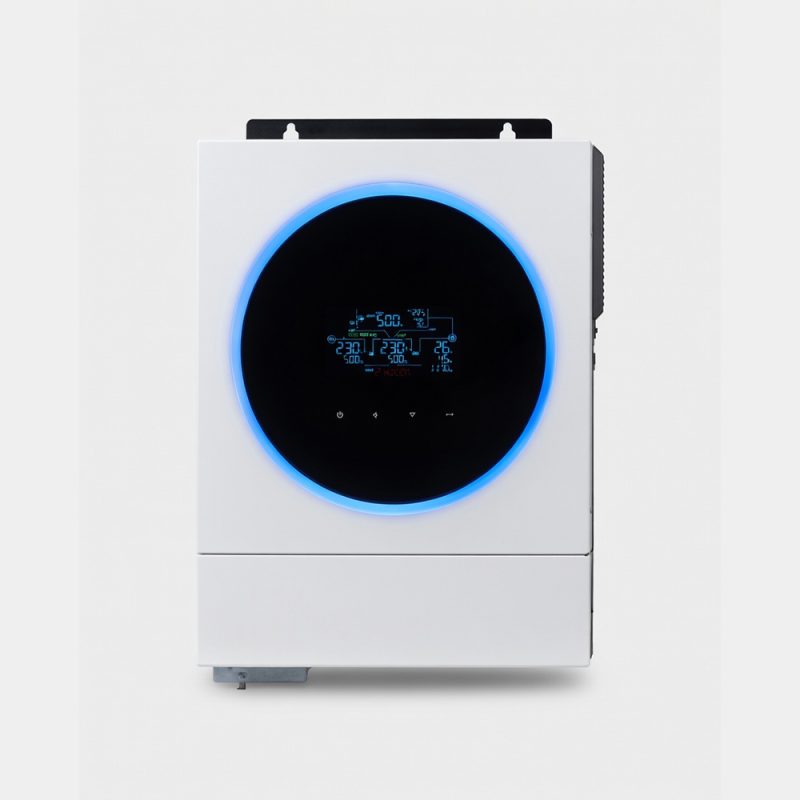
Axpert VM II 2.5kW 24V Hybrid Solar Inverter for Solar Installers and Homes
Original price was: ₦441,335.00.₦431,335.00Current price is: ₦431,335.00.Axpert VM IV TWIN 4KW 24V Off-Grid Solar Inverter for Solar Installers and Homes
Original price was: ₦669,302.00.₦659,302.00Current price is: ₦659,302.00.Axpert VM II 5KW 48V Solar Inverter for Solar Installers and Homes
Original price was: ₦581,577.00.₦571,577.00Current price is: ₦571,577.00.Megarevo 5kWh 48V Hybrid Solar Inverter for Solar Installers and Home Systems
Original price was: ₦945,642.00.₦935,642.00Current price is: ₦935,642.00.Axpert VM II Elite 6KW 48V Off-Grid Solar Inverter (Single-Phase) for Solar Installers
Original price was: ₦819,837.00.₦809,837.00Current price is: ₦809,837.00.Megarevo 10KW 48V Hybrid Solar Inverter for Solar Installers and Home Systems
Original price was: ₦2,517,786.00.₦2,417,786.00Current price is: ₦2,417,786.00.Axpert MAX II TWIN 11KW 48V Off-Grid Solar Inverter (Single-Phase) for Solar Installers
Original price was: ₦1,810,641.00.₦1,710,641.00Current price is: ₦1,710,641.00.Megarevo 15KW Three-Phase Hybrid Solar Inverter for Solar Installers, Homes and Businesses
Original price was: ₦3,929,172.00.₦3,829,172.00Current price is: ₦3,829,172.00.InfiniSolar WP Elite 15KW Three-Phase Hybrid Solar Inverter for Commercial Solar Systems
Original price was: ₦5,605,623.00.₦5,505,623.00Current price is: ₦5,505,623.00.InfiniSolar WP II 30KW Three-Phase Hybrid Solar Inverter for Commercial and Industrial Solar Systems
Original price was: ₦7,350,724.00.₦7,250,724.00Current price is: ₦7,250,724.00.





9 Olaiya Street, Oregun, Ikeja, Lagos, Nigeria | Facebook | Instangram | Home