


News
Solar Energy Projects Gain Momentum as Tool for Farming Growth and Land Restoration in Lagos

Solar Energy Projects Gain Momentum as Tool for Farming Growth and Land Restoration in Lagos
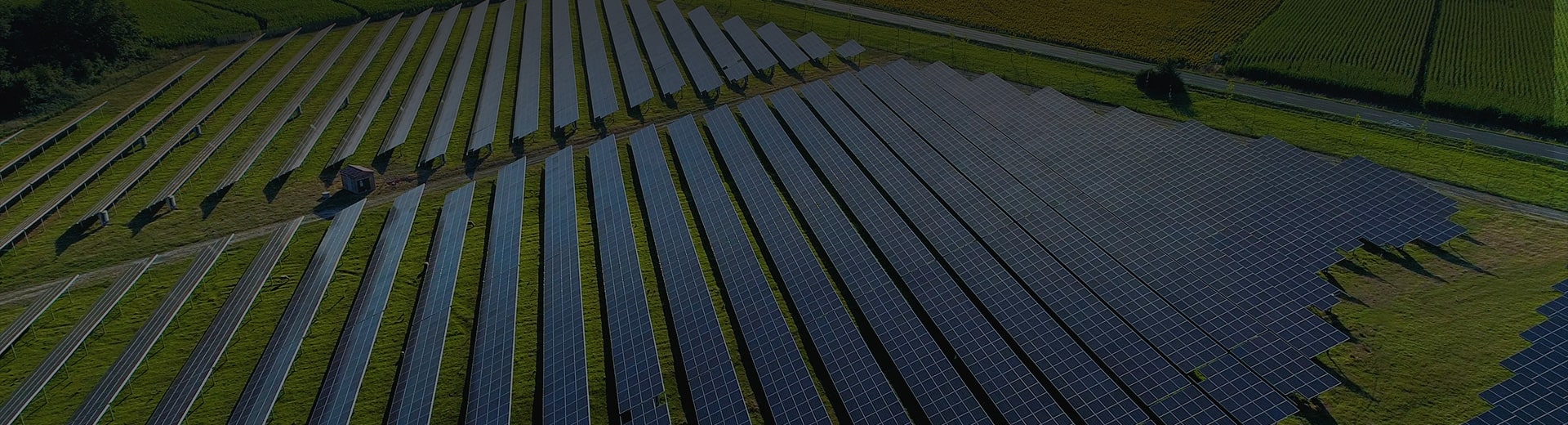
Solar energy projects are increasingly being recognised as a multi-purpose solution capable of transforming agriculture, restoring degraded land, and supporting economic development in Lagos and across Nigeria.
A recent report by the International Renewable Energy Agency (IRENA) highlights how solar photovoltaic (PV) systems can deliver benefits beyond electricity generation when properly planned and integrated with local ecosystems.
Solar Expansion and Its Untapped Potential
Solar PV remains the fastest-growing renewable energy technology globally, accounting for about 77 percent of new power capacity added by the end of 2024.
While its role in reducing greenhouse gas emissions is widely acknowledged, experts say its broader environmental and agricultural benefits are still underutilised—especially in urban centres like Lagos where land pressure is high.
In Lagos, where rapid urbanisation continues to strain land and energy resources, integrating solar into agricultural systems presents a viable pathway for sustainable development.
Agriculture Meets Solar: A New Model Emerging
One of the most promising approaches is agrivoltaics—the practice of combining solar panels with crop production. This system allows farmers to generate electricity while cultivating crops on the same land.
According to IRENA, this approach can improve land-use efficiency, reduce water demand for irrigation, and increase crop survival rates.
Solar-powered irrigation systems are also helping farmers in areas with unreliable electricity, a challenge that remains prevalent in parts of Lagos’ peri-urban farming communities.
Restoring Degraded Land Through Solar Deployment
Solar installations are also being deployed on degraded or previously disturbed land, offering a pathway for environmental restoration.
Experts note that solar panels can stabilise soil, reduce erosion, and support vegetation regrowth, particularly in areas affected by industrial activity or poor land management.
In regions facing land degradation challenges, including parts of Nigeria, such interventions could help reverse declining agricultural productivity and improve long-term land value.
Livestock and Biodiversity Benefits
Beyond crops, solar projects are also supporting livestock farming. Under solar grazing models, animals such as cattle and sheep are allowed to graze within solar farms.
This approach helps manage vegetation, reduce fire risks, and can improve livestock productivity through shaded environments.
In addition, planting pollinator-friendly vegetation beneath solar panels can enhance biodiversity, supporting bees and butterflies essential for food production.
Floating Solar and Water Resource Management
Another emerging innovation is aquavoltaics—installing solar panels on water bodies. These systems help reduce water evaporation, regulate temperatures, and improve water quality.
Such models could be particularly relevant for Lagos, given its coastal geography and reliance on water-based ecosystems for both livelihoods and food supply.
Risks and Planning Considerations
Despite its benefits, experts warn that poorly planned solar projects could negatively impact ecosystems.
Improper vegetation choices, for example, may introduce invasive species, while poorly sited projects can affect soil, water, and local biodiversity.
To mitigate these risks, IRENA emphasises the need for environmental assessments, stakeholder engagement, and coordinated planning involving farmers, policymakers, and investors.
Implications for Lagos and Nigeria
For Lagos, where energy demand continues to rise alongside food security concerns, solar-integrated farming systems present a dual opportunity.
By aligning energy and agricultural policies, stakeholders can unlock new income streams for farmers, improve food production, and accelerate the state’s transition to clean energy.
Experts say achieving this will require targeted policies, financial incentives, and capacity-building programmes to support adoption at scale.
Outlook
As Nigeria intensifies efforts toward renewable energy adoption, solar projects are no longer just about power generation. They are emerging as a strategic tool for agricultural transformation, environmental restoration, and economic resilience—particularly in fast-growing urban hubs like Lagos.
Shop new arrivals
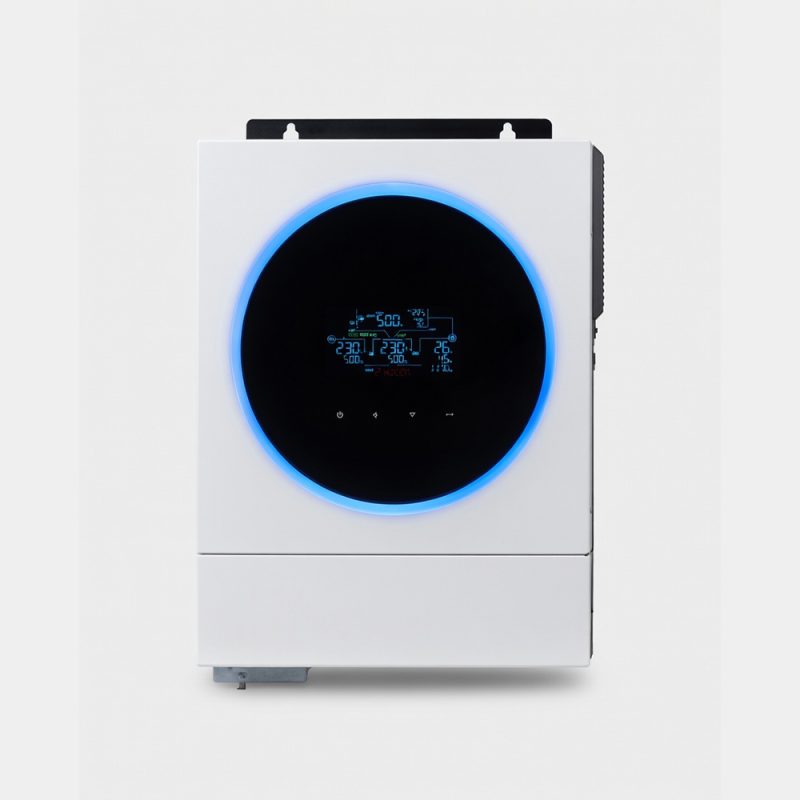
Axpert VM II 2.5kW 24V Hybrid Solar Inverter for Solar Installers and Homes
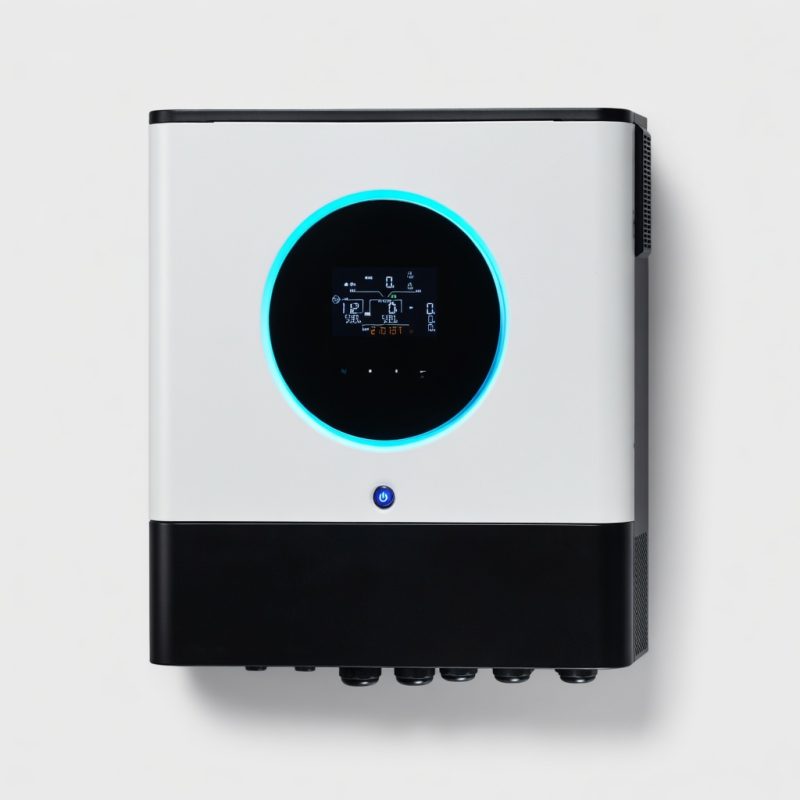
Original price was: ₦441,335.00.₦431,335.00Current price is: ₦431,335.00.Axpert VM IV TWIN 4KW 24V Off-Grid Solar Inverter for Solar Installers and Homes
Original price was: ₦669,302.00.₦659,302.00Current price is: ₦659,302.00.Axpert VM II 5KW 48V Solar Inverter for Solar Installers and Homes
Original price was: ₦581,577.00.₦571,577.00Current price is: ₦571,577.00.Megarevo 5kWh 48V Hybrid Solar Inverter for Solar Installers and Home Systems
Original price was: ₦945,642.00.₦935,642.00Current price is: ₦935,642.00.Axpert VM II Elite 6KW 48V Off-Grid Solar Inverter (Single-Phase) for Solar Installers
Original price was: ₦819,837.00.₦809,837.00Current price is: ₦809,837.00.Megarevo 10KW 48V Hybrid Solar Inverter for Solar Installers and Home Systems
Original price was: ₦2,517,786.00.₦2,417,786.00Current price is: ₦2,417,786.00.Axpert MAX II TWIN 11KW 48V Off-Grid Solar Inverter (Single-Phase) for Solar Installers
Original price was: ₦1,810,641.00.₦1,710,641.00Current price is: ₦1,710,641.00.Megarevo 15KW Three-Phase Hybrid Solar Inverter for Solar Installers, Homes and Businesses
Original price was: ₦3,929,172.00.₦3,829,172.00Current price is: ₦3,829,172.00.InfiniSolar WP Elite 15KW Three-Phase Hybrid Solar Inverter for Commercial Solar Systems
Original price was: ₦5,605,623.00.₦5,505,623.00Current price is: ₦5,505,623.00.InfiniSolar WP II 30KW Three-Phase Hybrid Solar Inverter for Commercial and Industrial Solar Systems
Original price was: ₦7,350,724.00.₦7,250,724.00Current price is: ₦7,250,724.00.





9 Olaiya Street, Oregun, Ikeja, Lagos, Nigeria | Facebook | Instangram | Home